The Impact of Chronic Stress on Mental Health
29 July 2026
Stress—just reading the word might make your shoulders tense up and your mind wander to that ever-growing to-do list. But here’s the thing: feeling stressed every once in a while is totally normal. It's part of being human. The problem kicks in when that stress sticks around like an overbearing houseguest who just won't leave. That’s what we call chronic stress—and it can do a serious number on your mental health.
In this article, we're going to break down what chronic stress really is, how it messes with your mind, and what you can do about it. So grab a cup of tea, get comfy, and let’s talk about it like two friends figuring things out together.
What is Chronic Stress, Exactly?
Let’s start simple. Everyone feels stress now and then. It’s your body’s natural reaction to a challenge or demand—like a work deadline, a tough conversation, or traffic when you’re late. That kind of stress? It comes and goes. Chronic stress, on the other hand, doesn't go anywhere. It hangs around for weeks, months, and sometimes even years.Think of it like background noise in your mind—always buzzing, always draining you. It builds up over time and starts to take a toll not just on your body but especially on your mental well-being.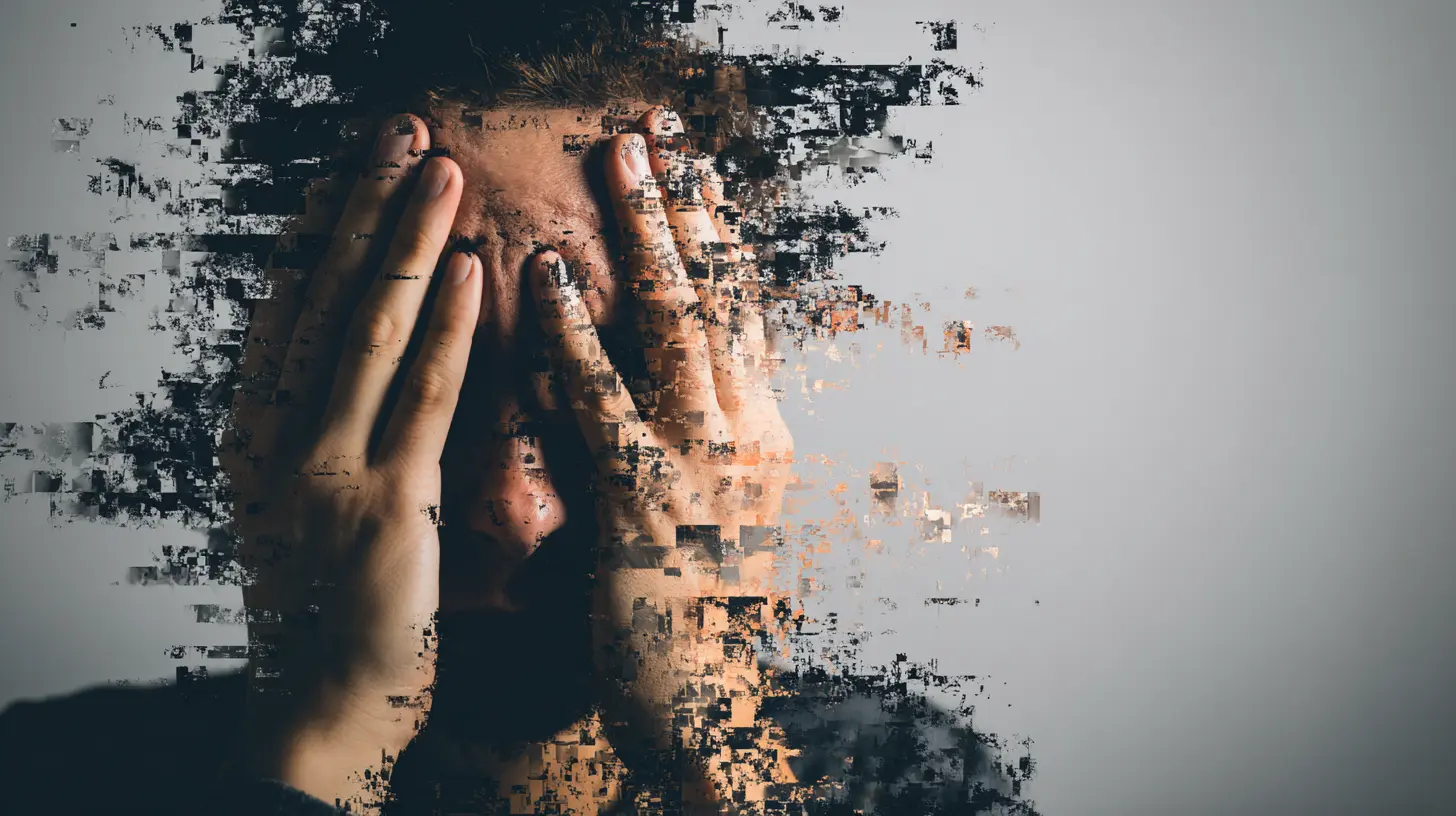
The Body-Mind Connection: Why Chronic Stress Matters
You’ve probably heard the phrase “mind-body connection” tossed around. Well, in the context of chronic stress, this connection becomes crystal clear. When you're under constant pressure, your brain basically lives in survival mode. It’s like your body’s alarm system is jammed in the “on” position.The Role of Cortisol
Let’s talk about cortisol, the so-called “stress hormone.” It’s great in short bursts—like when you need to run from danger or give a killer presentation. But when cortisol is constantly being pumped into your system? That’s when things get dicey.Too much cortisol over time can:
- Shrink parts of your brain linked to memory and learning
- Increase anxiety and depression
- Disrupt your sleep cycle
- Weaken your immune system
Not exactly a recipe for inner peace, right?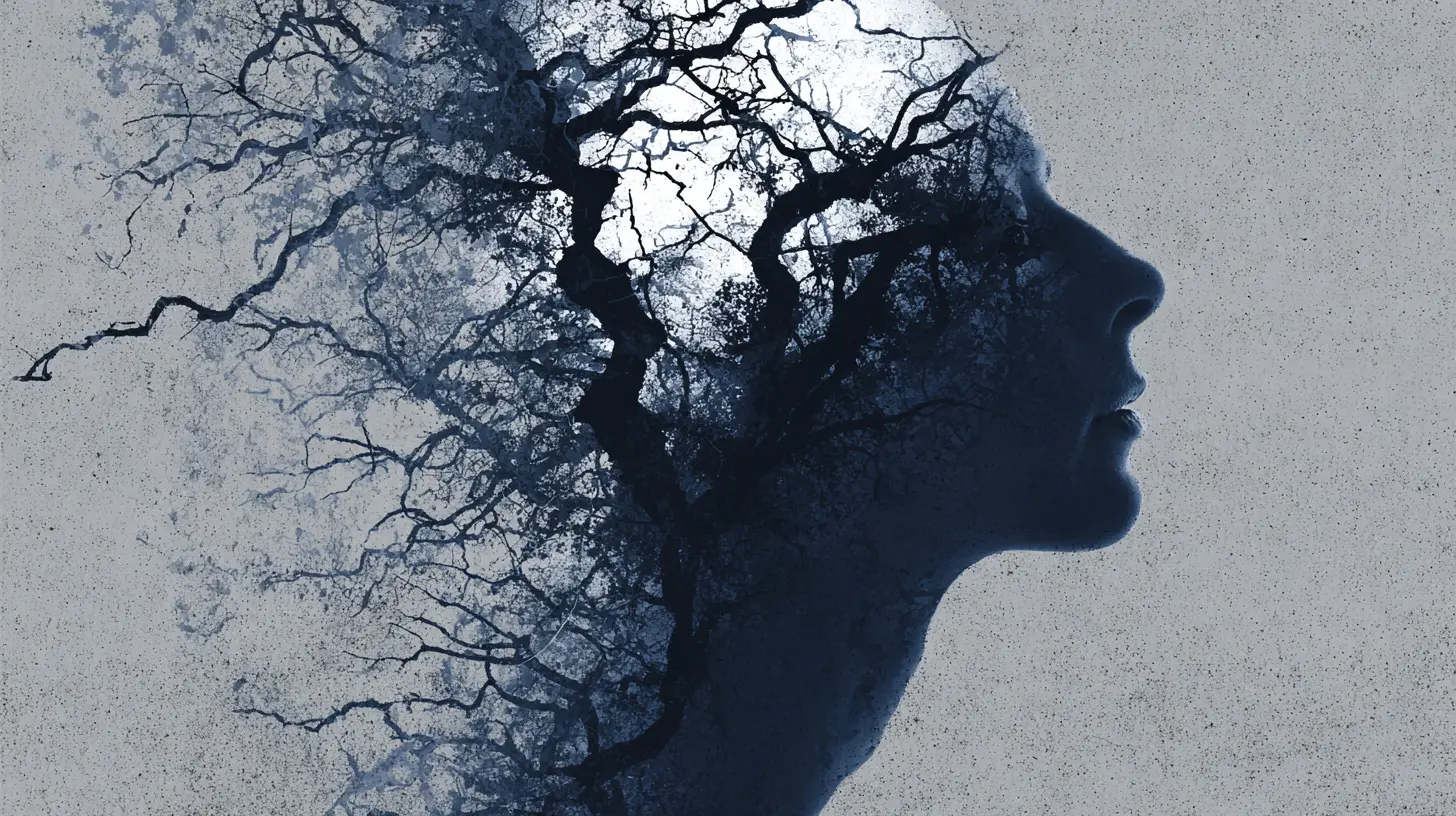
Emotional Toll: How Chronic Stress Hijacks Your Mood
Ever noticed how everything feels harder when you're stressed for a long time? Like even the smallest inconvenience can make you feel like the world’s ending?That’s no coincidence. Chronic stress has a way of messing with your emotional regulation. Here’s how it plays out:
1. Anxiety on Overdrive
When your brain is in constant alert mode, it becomes hyper-vigilant. That means you're more likely to overthink, worry about the worst-case scenario, or feel restless all the time. Chronic stress feeds anxiety, and anxiety feeds more stress—it’s a vicious cycle.2. Depression Can Creep In
Long-term stress can drain the dopamine and serotonin—the brain’s “feel-good” chemicals. Without those, it's easier to fall into depression. Feelings of hopelessness, a lack of motivation, or just being emotionally numb? These could be signs your stress has crossed the line.3. Emotional Exhaustion
You know that feeling when you're just... done? Like your emotional tank is empty? That’s burnout, often caused by prolonged stress. It wipes out your ability to cope, to find joy, or even just care about what used to matter.
Cognitive Effects: When Your Brain Feels Foggy
Chronic stress doesn’t just affect how you feel, it affects how you think. You might notice:- Forgetfulness: Can’t find your keys? Missed a deadline? Chronic stress affects your short-term memory.
- Poor concentration: Reading the same paragraph five times and it still doesn’t stick? Yep, that’s stress at work.
- Decision fatigue: Making simple choices feels impossible. Should I cook? Should I order food? Your brain is overloaded.
It’s like your mental bandwidth is used up, and there’s just no room left to think clearly.
Behavioral Changes: The Stuff You Start (or Stop) Doing
Chronic stress can subtly (or not-so-subtly) change how you behave. You might not even realize it at first. But over time, patterns emerge.1. Unhealthy Coping Mechanisms
You might:- Overeat or hardly eat at all
- Drink more alcohol
- Rely on caffeine to function
- Start smoking (or go back to it)
- Binge-watch shows to numb your thoughts
None of these actually help with the stress—they just put a band-aid on it.
2. Social Withdrawal
Stress often makes you want to hide from the world. Maybe you cancel plans more often or ghost your group chat. It’s common, but isolating yourself only deepens the mental health struggles.Physical Symptoms That Are Actually Stress-Related
Here’s something people don’t always realize: mental stress can manifest physically. Ever get headaches, tummy trouble, or muscle tension you can’t explain? Chronic stress might be behind it.Other physical symptoms may include:
- Insomnia or poor sleep
- High blood pressure
- Frequent colds or infections
- Acne or skin issues
- Fatigue that doesn’t go away
It’s your body waving a red flag: “Hey, I need a break!”
The Long-Term Mental Health Risks
If chronic stress continues unchecked, it can lead to serious mental health conditions:- Generalized anxiety disorder
- Major depressive disorder
- Panic attacks
- PTSD (in some cases)
- Substance use disorders
What starts as just being “overwhelmed” can evolve into something more serious if we don’t intervene early.
Who’s Most at Risk?
Anyone can struggle with chronic stress, but some people are more vulnerable:- Healthcare workers, teachers, and caregivers facing emotional burnout
- Students dealing with academic and social pressure
- Parents juggling work, kids, and home life
- People in toxic relationships or unsafe environments
- Those with existing mental health conditions
If that’s you, know this: you're not alone, and none of this is your fault.
So... What Can You Do About It?
Okay, so things have gotten heavy. But here’s the good news—you’re not powerless here. There are things you can do to reduce chronic stress and protect your mental health.1. Practice Mindfulness
Mindfulness isn’t just a buzzword—it works. It helps you become aware of the present moment instead of spiraling into the past or future. Simple practices like deep breathing, meditation, or even mindful walking can make a big difference.2. Talk It Out
There’s a lot of power in saying, “I’m not okay.” Whether it’s a friend, family member, or therapist, opening up is often the first step toward healing.Therapy, especially cognitive-behavioral therapy (CBT), is incredibly effective in managing stress and its impact on mental health.
3. Get Moving
Exercise isn’t just for your body—it’s magic for your mind. Physical activity releases mood-boosting endorphins that help counter stress hormones.You don’t need to run a marathon. Even a 20-minute walk can help clear your head.
4. Set Boundaries
Say “no” when you need to. Protect your time and energy like they’re your most valuable resources—because they are.Stop glorifying busyness. Rest is not a reward—it’s a requirement.
5. Create a Routine
Having a consistent daily routine brings a sense of control to the chaos. Try to:- Wake up and go to bed at the same time
- Eat regular meals
- Schedule breaks
- Prioritize sleep
Consistency soothes the overstimulated brain.
When to Seek Professional Help
If your stress feels unmanageable, or if it's interfering with your work, relationships, or everyday life, it’s time to get help. Seriously—there’s no shame in it.Mental health professionals are trained to guide you through this. And the earlier you act, the better the outcome.
Remember, asking for help isn’t weakness—it’s wisdom.
Final Thoughts: Stress is Inevitable, Suffering Isn’t
Life is never going to be 100% stress-free. Let’s be real—bills, responsibilities, and curveballs are part of the package. But there’s a big difference between momentary stress and chronic stress that eats away at your peace and joy.Understanding the impact of chronic stress on your mental health is the first step. The next step? Taking care of yourself like your life depends on it—because in many ways, it absolutely does.
So breathe. You're not alone in this, and you have more control than you think. One small change today can lead to bigger healing tomorrow.
Take it one day at a time. You've got this.
all images in this post were generated using AI tools
Category:
Mental Health EducationAuthor:

Jenna Richardson
Discussion
rate this article
1 comments
Soraya Nelson
Chronic stress can feel overwhelming, but recognizing its impact is the first step toward healing. Small changes in daily routines, like mindfulness or deep breathing, can lead to big improvements in mental health. Remember, you have the strength to overcome challenges and find balance.
September 7, 2026 at 4:57 PM
Jenna Richardson
Absolutely, acknowledging the effects of chronic stress is crucial. Small, mindful changes can make a significant difference. You've got this!