The Impact of Childhood Experiences on Adult Social Anxiety
12 March 2026
Have you ever caught yourself avoiding a social event, heart racing, palms sweaty, cheeks flushed? Maybe you’ve felt like everyone in the room was secretly judging you, even though they probably weren’t. That boiling pot of nerves you feel might have roots stretching way back—further than you think. Surprisingly, a lot of what we experience in social settings as adults has deep connections to our childhood.
So let’s talk about it—the undeniable role childhood experiences play in shaping adult social anxiety.
What Exactly Is Social Anxiety?
Before we connect the childhood dots, let’s make sure we’re on the same page. Social anxiety, also called social phobia, isn’t just everyday nervousness. It’s an intense fear of social situations where there might be judgment, embarrassment, or scrutiny. It can show up as avoiding conversations, skipping parties, or even dreading simple tasks like asking for help or making a phone call.Sound familiar? You're not alone. Millions of adults deal with social anxiety every day.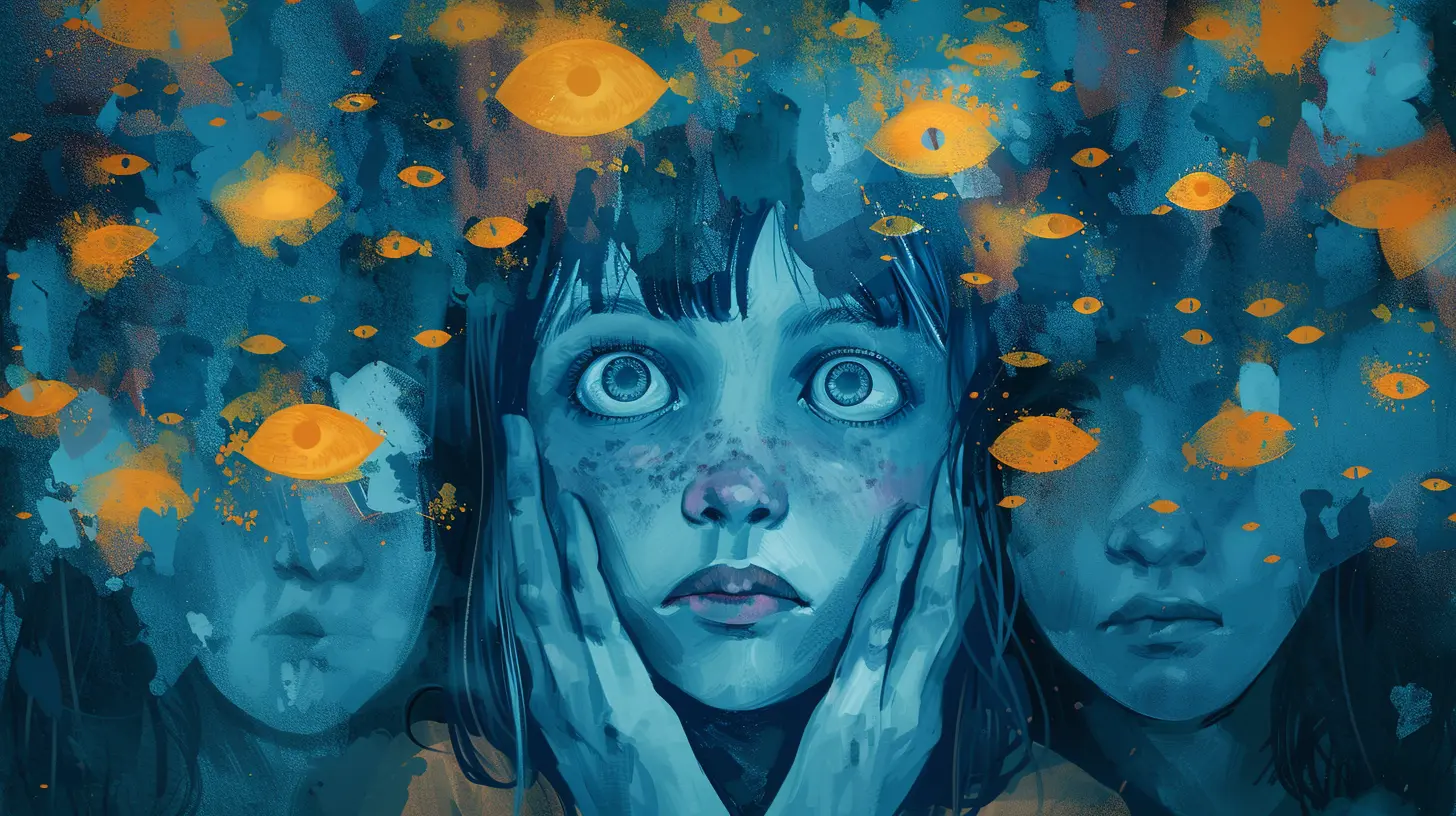
Why Is Childhood Important?
Think of childhood as the foundation of a house. If the base is shaky—say, from bullying, harsh parenting, or lack of emotional support—the house (you) might grow up a little crooked, a little unstable, emotionally speaking.Childhood is when our brains are forming, our personalities are developing, and we’re figuring out how the world works. Relationships, especially with caregivers and peers, shape how we view ourselves and others. And if those relationships were painful, unpredictable, or traumatic? Well, that can leave lasting scars.
How Childhood Experiences Influence Adult Social Anxiety
Let’s break it down further. Not all experiences are created equal, but there are some recurring themes that researchers and therapists see time and time again.1. Parental Criticism and Overcontrol
Were your parents overly critical or controlling growing up? You might’ve been constantly told how to act, what to say, or what not to do “so you don’t embarrass yourself.” As a child, that teaches you one crucial (and harmful) lesson: mistakes = shame.Over time, this kind of environment wires your brain to fear judgment. You grow up second-guessing everything you say, worried that one wrong move could open the door to disapproval. Hello, social anxiety.
2. Emotional Neglect
Now, emotional neglect doesn’t always mean abuse. It can be subtle—parents not responding to your emotions, brushing off your sadness, or never validating your accomplishments. Over time, you learn that your feelings don’t matter or aren’t safe to express.Fast forward to adulthood, and you might struggle to form emotional connections. You get anxious in social settings not just because you fear judgment—but because you don't feel emotionally equipped to connect with others.
3. Bullying and Peer Rejection
Ah, the school years—where reputations are fragile and rumors spread faster than wildfire. If you were bullied or ostracized, you might carry that pain with you into adulthood. Being mocked or rejected by peers teaches you to be hyper-alert to criticism.You might start to see social settings as battlegrounds rather than safe spaces. That sixth-grade cafeteria rejection still echoes in your brain when you enter a networking event. It’s not that you don’t want to connect—you’re just scared of history repeating itself.
4. Inconsistent or Unpredictable Parenting
Were your caregivers hot-and-cold? Maybe they were loving one day and distant the next. This unpredictability can create what's called "anxious attachment." Children in these environments often grow up feeling unsure of their relationships and constantly trying to please others to avoid being abandoned.In social settings, this turns into extreme people-pleasing, avoiding conflict, and anxiety over whether people genuinely like you or are just being polite.
5. Trauma and Abuse
Physical, emotional, or sexual abuse during childhood creates deep, complex layers of trauma. It's not just about trust—it’s about safety. Survivors often develop hypervigilance, always scanning for danger.In adult social situations, even minor comments or facial expressions can feel threatening. It’s not paranoia—it’s your nervous system working overtime to protect you.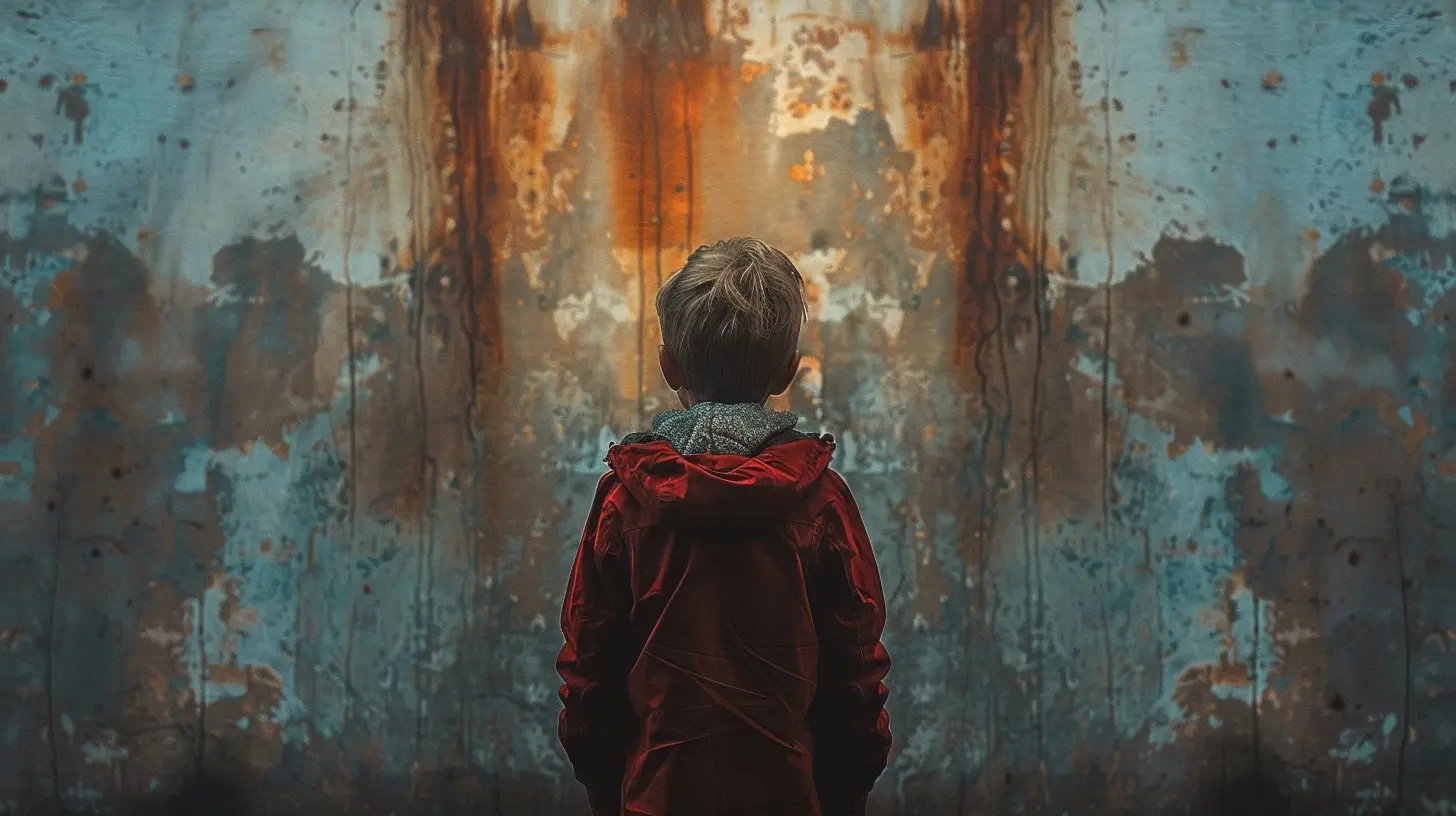
The Science Behind It
Okay, let’s geek out for a moment. When we talk about long-standing emotional patterns, we're really talking about the brain—specifically, the amygdala (your fear center) and the prefrontal cortex (your logic center).Childhood stress—from abuse, neglect, or bullying—can literally rewire these brain regions. The amygdala becomes extra sensitive to perceived threats. So whether it's a stranger’s glance or a boss’s tone of voice, your brain interprets it as danger.
This "threat response" lingers for years, hijacking your ability to stay calm in social settings—even when there’s no real threat.
But Not Everyone With a Tough Childhood Has Social Anxiety. Why?
Great question. Childhood experiences aren’t the only players on the field. Genetics, personality traits, support systems, and even resilience all play a role.It’s like baking a cake—childhood is the flour, but you also need eggs (genes), sugar (support systems), and maybe some icing (environment) to make the final product. Some people are more biologically sensitive to stress or have temperaments that lean anxious.
Plus, remember—two kids can grow up in the same household and walk away with totally different emotional baggage.
The Inner Critic: A Leftover From Childhood
One of the hardest parts about social anxiety? That little voice in your head that whispers, “You sounded stupid,” “They’re laughing at you,” or “Why did you even show up?”Guess what? That inner critic often has childhood origins. If you were constantly put down, ridiculed, or held to impossible standards, that voice isn’t you—it was planted in you. But because it grew up with you, it feels like your own.
Recognizing it isn’t yours is the first step in taking your power back.
Healing From the Inside Out
The good news? Social anxiety isn’t a life sentence.Even if your childhood left some emotional bruises, healing is 100% possible. Here's how many people start to reclaim their lives:
1. Therapy (Especially CBT & Inner Child Work)
Cognitive Behavioral Therapy (CBT) is the gold standard for treating social anxiety. It helps reframe negative thoughts and challenge irrational fears. Inner child work, on the other hand, focuses on healing the wounded parts of you that developed in childhood.Together, they pack a powerful punch.
2. Self-Compassion
Let’s be real—most socially anxious people are incredibly hard on themselves. Practicing self-compassion means talking to yourself like you would a friend. Would you call your best friend “stupid” for stuttering during a meeting? No? Then why do it to yourself?Be kind. You didn’t choose your childhood.
3. Gradual Exposure
Avoiding social situations reinforces fear. Facing them in small steps—like saying hi to a cashier or speaking up in a meeting—can rewire your brain to see these moments as safe.It’s not about being fearless. It’s about showing your brain that you’ll be okay—even if fear is tagging along.
4. Building Healthy Relationships
Healthy friendships and supportive relationships can act like emotional band-aids. They help replace the toxic patterns you learned as a child with healthier, more nurturing experiences.If your childhood was full of criticism, find people who lift you up. If it was full of chaos, find people who bring peace.
You’re Not Broken—You’re Human
Here’s the truth: social anxiety doesn’t mean there’s something wrong with you. It means you adapted to an environment that required you to be hyper-aware, overly cautious, and emotionally guarded.That’s not weakness—that’s survival.
But now, as an adult, you get to choose differently. You get to rewire those beliefs, heal those wounds, and slowly reclaim the parts of you that were silenced. It’s not easy, and it won’t happen overnight—but it’s absolutely worth it.
Final Thought: Be Gentle With Yourself
Childhood may have shaped your fears, but it doesn’t have to define your future. Social anxiety is loud, persistent, and deeply rooted—but it’s also treatable, understandable, and yes, beatable.You’re not alone in this. And more importantly—you’re incredibly brave for facing it.
all images in this post were generated using AI tools
Category:
Social AnxietyAuthor:

Jenna Richardson
Discussion
rate this article
2 comments
Luma McTier
Childhood experiences profoundly shape our emotional landscape. Understanding their influence on adult social anxiety allows us to foster compassion and healing, empowering individuals to rewrite their narratives and embrace connection.
March 23, 2026 at 3:24 AM
Jenna Richardson
You're absolutely right. Our early experiences do play a crucial role in shaping how we navigate social situations as adults. Recognizing this can lead to genuine healing and change. Thank you for sharing your thoughts.
Heath Snyder
This article effectively highlights how early experiences shape adult social anxiety. Understanding this connection can empower individuals to address their past and develop healthier coping strategies, ultimately fostering improved social interactions and emotional well-being in adulthood.
March 12, 2026 at 5:32 PM
Jenna Richardson
Thank you for your insightful comment. I'm glad you found the connection between childhood experiences and adult social anxiety meaningful. It's crucial for empowerment and growth.