The Impact of Childhood Bullying on Adult Depression
2 January 2026
We've all heard the phrase "kids can be cruel." But what happens when that cruelty goes beyond the occasional playground insult or childhood squabble? What happens when bullying becomes a pattern—relentless, targeted, and traumatizing? For many, the scars left by childhood bullying don’t fade with time. In fact, they often deepen, manifesting as serious mental health challenges later in life, especially depression.
In this article, we’re diving deep into how bullying during childhood isn't just a rough patch—it can lay the groundwork for long-term emotional struggles. So, if you or someone you love is dealing with the weight of past bullying, stick around. This is for you.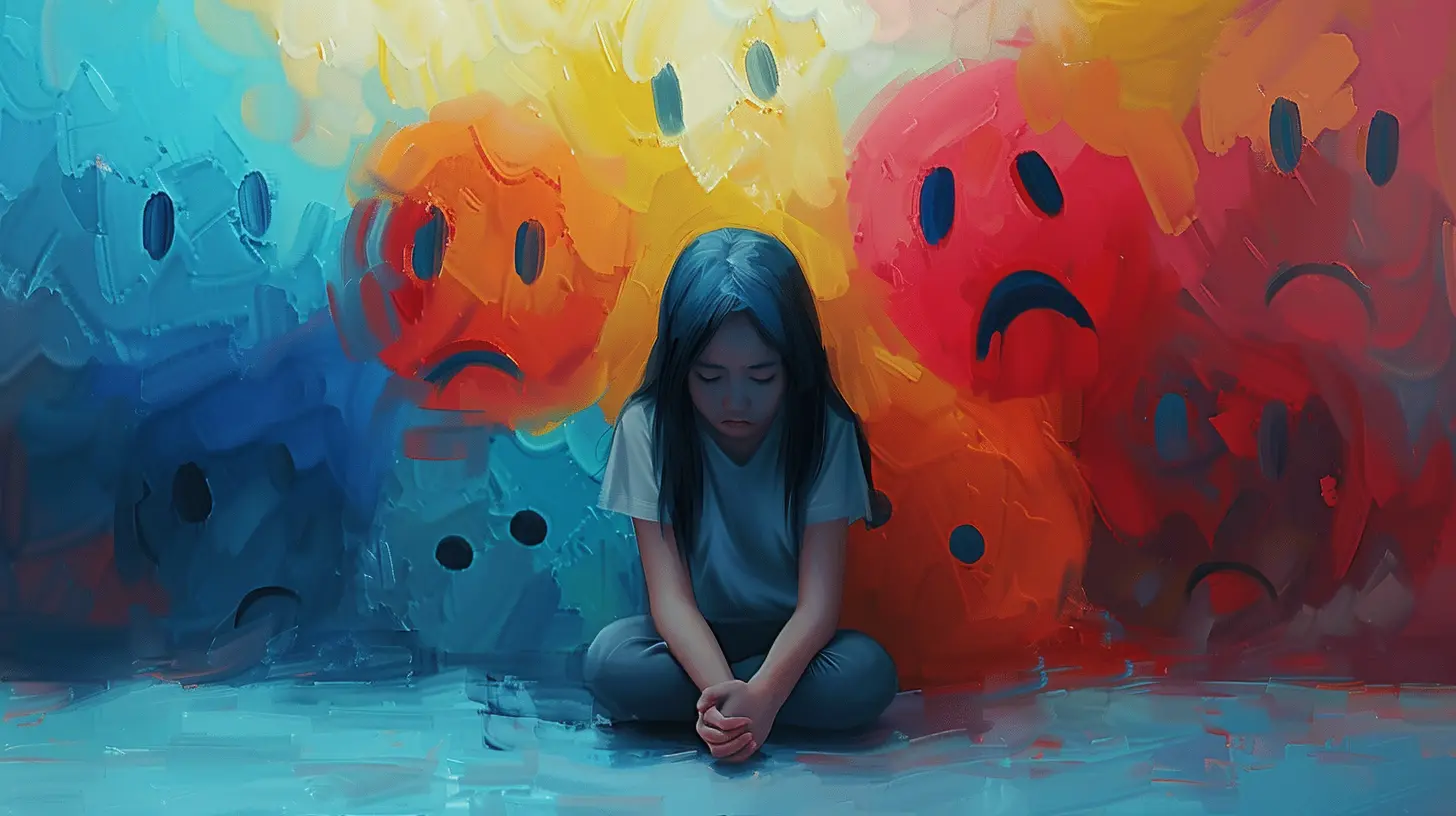
What Is Childhood Bullying?
Let’s start by defining what we’re dealing with. Childhood bullying is more than just the occasional teasing or conflict with peers. It’s repeated, intentional harm—whether physical, verbal, or emotional—inflicted by one or more individuals on someone perceived as weaker or different.There are different types of bullying:
- Physical bullying: Hitting, pushing, or other forms of physical aggression.
- Verbal bullying: Name-calling, insults, and constant put-downs.
- Social bullying: Spreading rumors, exclusion from groups, or public humiliation.
- Cyberbullying: Using digital platforms to harass, threaten, or embarrass someone.
And here's the thing—while it might seem like a part of growing up, its effects can echo for decades.
Depression in Adulthood: The Hidden Aftermath
You might be wondering, how does bullying from childhood turn into depression years—or even decades—later? It’s like planting a seed in toxic soil. The seed (your emotional development) tries to grow, but those toxic conditions (bullying experiences) shape how it matures.Adult depression linked to childhood bullying doesn’t always come with an obvious label. Instead, it might show up as:
- Chronic sadness or emptiness
- Low self-esteem
- Difficulty forming or maintaining relationships
- Trust issues
- Social withdrawal
- Anxiety or panic attacks
- Substance abuse
It’s not always easy to trace these issues back to bullying. But once you connect the dots, it starts to make sense.
How Bullying Wires the Brain for Depression
Let’s get into the psychology of it.When a child is repeatedly bullied, their brain undergoes stress. And not just a little stress either—we’re talking about a constant flood of cortisol, the stress hormone. Over time, that exposure literally rewires the brain, especially in areas related to emotion regulation, fear response, and self-worth.
Think of the brain as a sponge during childhood—it's soaking up every experience. When those experiences are filled with fear, rejection, and humiliation, the sponge doesn’t just wring itself out and move on. It holds onto that pain.
This long-term stress impacts:
- The amygdala, which becomes hypersensitive to threats.
- The prefrontal cortex, which gets overwhelmed and struggles with emotional regulation.
- The hippocampus, involved in memory and learning, which shrinks under prolonged stress.
In other words, bullying doesn’t just hurt your feelings—it shapes your brain’s architecture for how you’ll process emotions as an adult.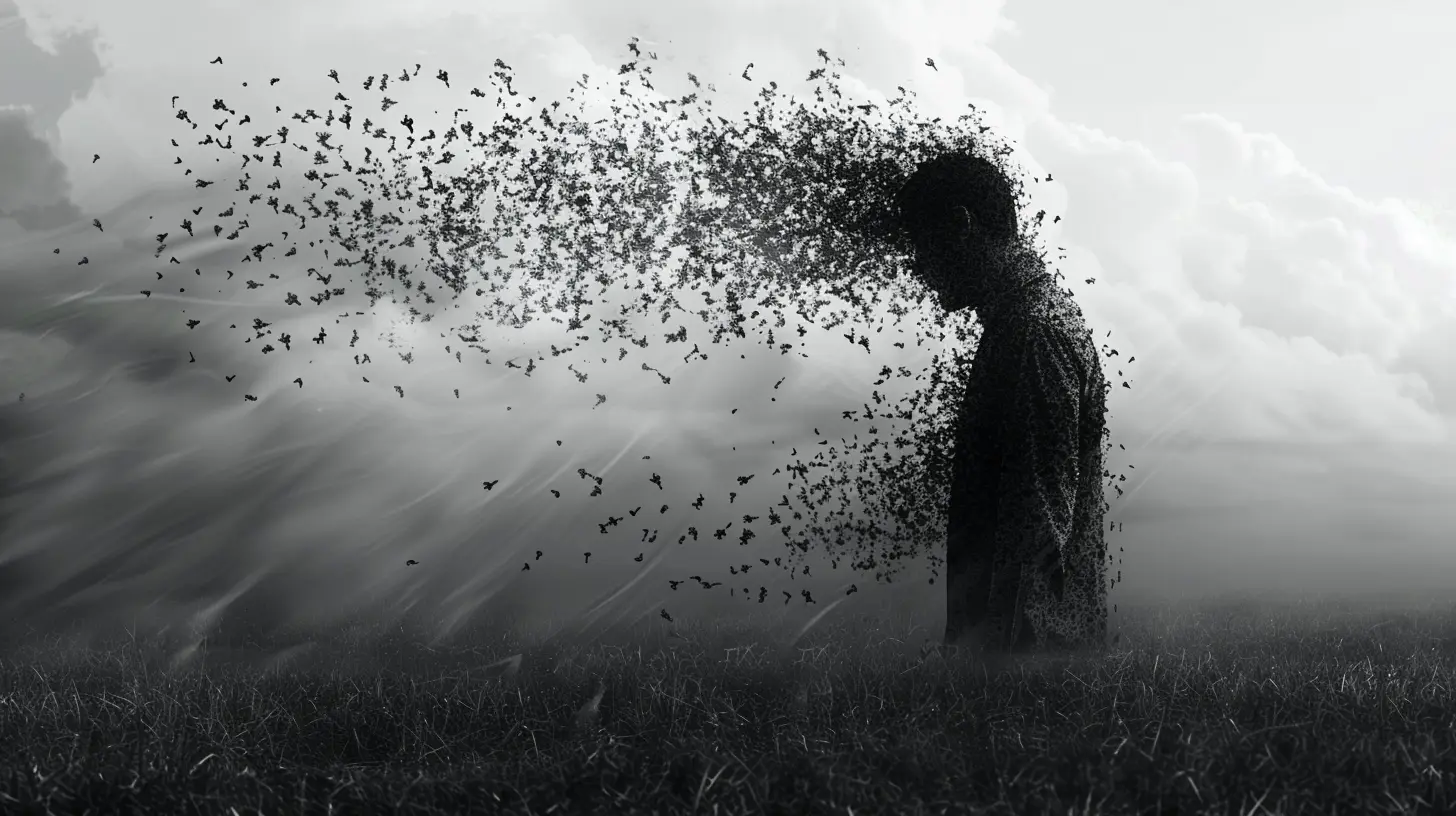
The Link Between Bullying and Depression: What Research Shows
Science backs all this up. Several studies have confirmed a strong link between childhood bullying and depression in adulthood.A long-term study published in _JAMA Psychiatry_ found that people who were bullied as kids were more than twice as likely to experience depression and anxiety disorders in adulthood.
Another 2015 study from the UK followed participants from childhood into their 50s. It showed that those who had been bullied had higher chances of poor mental health, lower life satisfaction, and financial difficulties.
So no, it’s not just in your head. The effects are real, widespread, and long-lasting.
Bullying and Identity: When the Message Becomes the Belief
One of the most damaging aspects of bullying is what it teaches someone about their own worth. If you were bullied repeatedly, you likely internalized some pretty harmful beliefs about yourself.Think back. Were you always told you were ugly, stupid, or weird? Those messages, when heard often enough, become part of your self-talk. You start to believe them.
It’s like someone handing you a pair of cracked glasses. After a while, you start seeing everything—and yourself—through that damaged lens.
This negative self-image is one of the biggest pathways to depression. It affects confidence, motivation, and your ability to find joy or achievement in life.
Emotional Repression and Learned Helplessness
Another way childhood bullying can shape us is through what psychologists call learned helplessness. This is the belief that nothing you do can change your situation, so why even try?Kids who are bullied may feel trapped. Adults often tell them to “just ignore it” or “toughen up,” which teaches them that their pain doesn’t matter. Over time, this feeds the idea that speaking up won’t help, and that suffering is just a part of life.
As these children become adults, that same helplessness can lead to:
- Not standing up for themselves in relationships
- Avoiding conflict at any cost
- Settling for less, even when they deserve more
- Feeling powerless in their own lives
Nothing spirals into depression faster than believing that things will never get better.
The Social Fallout: Trust and Connection
Bullying doesn’t just make you sad—it can make you suspicious.If you spent years being targeted by peers, why would you trust new people? Your brain has been conditioned to expect rejection, betrayal, or manipulation. So as an adult, you might find yourself keeping others at arm’s length—even people who genuinely care.
That lack of connection only fuels depression. Humans are wired for community, but when you’ve been burned, it’s hard to let your guard down. Sadly, isolation becomes the default, reinforcing feelings of loneliness and worthlessness.
Sound familiar?
Healing Is Possible (But It Takes Work)
The good news? These patterns are not set in stone. Your brain has something called _neuroplasticity_—its ability to rewire itself, even in adulthood.But healing doesn’t happen by ignoring the past. It starts by acknowledging it.
Here’s what can help:
- Therapy: Especially cognitive-behavioral therapy (CBT) or trauma-informed therapy. A skilled therapist can help you rewrite the harmful “scripts” you’ve carried since childhood.
- Support groups: Connecting with others who’ve had similar experiences can be deeply validating and healing.
- Journaling: Writing about your bullying experiences can help you process them instead of suppressing them.
- Mindfulness and meditation: These tools can reduce stress and help you reconnect with your emotions in a calm, non-judgmental way.
- Setting boundaries: Learn to advocate for yourself. Your feelings matter, and your past doesn’t define your present.
Remember: Healing isn’t about forgetting what happened. It’s about taking back your power.
What Parents and Educators Need to Know
If you’re in a position to guide kids—whether as a parent, teacher, counselor, or coach—your role is critical.Bullying isn’t a “rite of passage.” It’s trauma. Here’s how you can help:
- Take all reports seriously. Never dismiss bullying as “kids being kids.”
- Create safe spaces. Let children know they can talk to you without judgment.
- Model empathy and respect. Kids learn how to treat others by watching the adults around them.
- Educate about kindness and inclusion. Regular conversations about empathy can shift the culture of a school or community.
Supporting children now could protect them from depression 20 years down the line.
Final Thoughts
Childhood bullying is more than a memory—it can be a ghost that follows people into adulthood, whispering lies about their worth, potential, and place in the world. But here’s the truth: You are not what happened to you. You are not the insults, the pain, or the fear.If you’re struggling with depression and suspect bullying could be part of the root, don’t brush it off. Dig into it. Talk about it. Heal from it. Because the past may shape you, but it doesn’t have to define you.
You deserve peace. You deserve joy. And yes, you deserve to feel whole again.
all images in this post were generated using AI tools
Category:
DepressionAuthor:

Jenna Richardson
Discussion
rate this article
2 comments
Brianna Roberts
Thank you for addressing such an important topic. It’s heartbreaking to recognize how childhood bullying can leave lasting scars into adulthood. Your insights highlight the need for compassion and support for those affected. Together, we can create a more understanding society and help break the cycle of pain caused by bullying.
February 2, 2026 at 6:08 PM
Jenna Richardson
Thank you for your thoughtful comment! I completely agree—compassion and support are essential in addressing the long-term effects of childhood bullying. Together, we can foster a more understanding and healing society.
Zarev Fuller
This article offers valuable insights into the long-term effects of childhood bullying on mental health. Understanding this connection is crucial for promoting healing and supporting those affected. Thank you for sharing!
January 9, 2026 at 5:01 AM
Jenna Richardson
Thank you for your thoughtful comment! I'm glad you found the insights valuable. Healing is indeed essential for those affected.