The Connection Between Burnout and Anxiety
24 February 2026
Let’s face it—we’re all juggling way too much. Work, relationships, bills, taking care of ourselves (or at least trying to), social media, and that never-ending to-do list. And in the middle of all that chaos, it’s become almost normal to feel drained and overwhelmed. But here’s the thing: when tired becomes constant and stress morphs into a daily battle, we might be dealing with more than just a rough patch. Welcome to the tangled world where burnout and anxiety collide.
These two mental health challenges are often misunderstood, and worse, frequently ignored. But understanding how burnout and anxiety are connected could be the first step to getting back your peace of mind. So grab your coffee (or tea, no judgment), get comfy, and let’s unpack this together.
What Exactly Is Burnout?
You’ve probably heard “burnout” tossed around like a trendy buzzword. But there’s much more to it than just being tired.Burnout is a state of emotional, physical, and mental exhaustion caused by prolonged and excessive stress, especially from work or caregiving. It’s that feeling of being completely tapped out—mentally foggy, emotionally detached, and physically run down. And it doesn't always just show up suddenly, like a loud knock on the door. It creeps in slowly, like a phone battery draining without you noticing.
Common signs of burnout include:
- Chronic fatigue (even when you’re sleeping okay)
- Detachment or cynicism toward work or responsibilities
- Increased irritability and frustration
- A sense of ineffectiveness or no accomplishment
- Lack of motivation or interest in things that used to light you up
Sound familiar?
Anxiety: Not Just Worrying Too Much
Anxiety, on the other hand, isn't just about being nervous or stressed before a big exam or presentation. It’s a broader condition that can manifest in a ton of ways—many of them physical.Here’s how anxiety often shows up:
- Constant worry that feels out of control
- Restlessness or inability to relax
- Racing thoughts or difficulty concentrating
- Muscle tension, headaches, digestive issues
- Panic attacks or a sense of impending doom
Now, imagine living with both burnout and anxiety. It’s like trying to run a marathon with a backpack full of bricks. Heavy, right?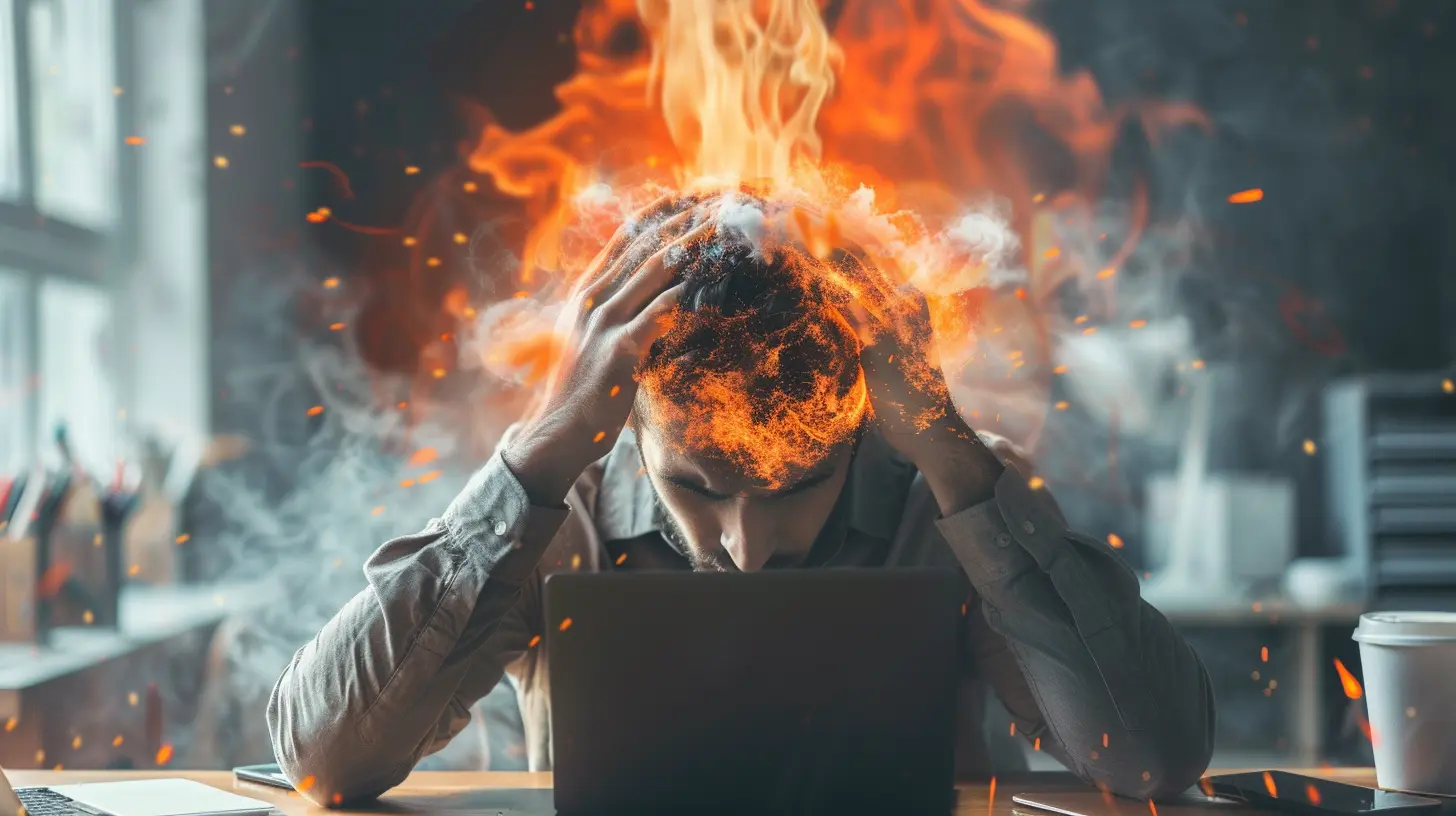
How Burnout and Anxiety Are Connected
Okay, so how exactly are burnout and anxiety linked?Well, think of burnout as the body’s response to being overworked and under-supported, and anxiety as the mind’s way of screaming, “Something’s not right here!”
Let’s break this down a bit.
1. The Chicken or the Egg?
Which comes first—burnout or anxiety? Honestly, it can go either way.Sometimes prolonged anxiety wears you down so much that you hit burnout. Other times, the endless demands of a high-stress environment (like a toxic job or the pressures of parenting) push you into burnout, and that constant stress throws your nervous system into anxiety overdrive.
They feed off each other like a toxic little cycle:
- Burnout lowers your ability to cope with everyday stress
- That stress increases anxiety
- Increased anxiety makes it harder to function
- And struggling to function leads to more burnout
It’s a loop. A nasty one.
2. Stress: The Common Denominator
Both burnout and anxiety are deeply rooted in stress. Chronic stress messes with your brain chemistry. It triggers your fight-or-flight response, pumping cortisol and adrenaline into your system like your body’s trying to outrun a tiger 24/7.Over time, this messes with your mood, your focus, your sleep, and even your immune system. It drains you—emotionally and physically—until anxiety becomes your default state, and burnout becomes your baseline.
3. Emotional Exhaustion Leads to Emotional Dysregulation
When you’re emotionally drained (read: burned out), it’s harder to regulate how you respond to things. Little things feel huge. You might snap at someone just for asking a question. Or cry over a commercial. That emotional unpredictability is also a key feature of anxiety.Burnout eats away your emotional reserves until you’re living on edge every single day—aka Anxiety Central.
Shared Symptoms: Why You Might Confuse Them
Because burnout and anxiety share several symptoms, they’re easy to confuse. Here’s a quick comparison:| Symptom | Burnout | Anxiety |
|---------------------------|------------------------|--------------------------|
| Fatigue | ✔️ Constant exhaustion | ✔️ Energy zapped by worry |
| Sleep issues | ✔️ Trouble sleeping | ✔️ Racing thoughts |
| Difficulty concentrating | ✔️ Brain fog | ✔️ Intrusive thoughts |
| Irritability | ✔️ Frustration easily | ✔️ Short temper |
| Physical symptoms | ✔️ Tension, headaches | ✔️ Panic, tight chest |
See how they blur together?
The key difference is that burnout is typically situation-specific (like tied to your job), while anxiety can feel more generalized—showing up even when everything should be fine.
Personal Story Break: When I Hit My Limit
Let me be real here for a moment. I hit burnout a couple of years ago, hard. I was working 60+ hour weeks, barely taking time to eat decent meals, let alone rest. I brushed off the signs—"I'm just tired," I'd say. But that “tired” turned into anxiety attacks in the middle of the night and a brain so foggy I forgot birthdays and deadlines. My body was screaming, and I wasn’t listening.Burnout pushed me into anxiety. And climbing out of that pit meant changing my relationship with rest, boundaries, and pressure. It wasn’t easy, but it was necessary.
How to Tell If You’re Dealing with One—or Both
Let’s stop guessing. Here are a few guiding questions to help identify what you’re dealing with:- Is your stress tied to a specific role or situation (like work)? → Probably burnout
- Do you feel worried constantly, even when things are calm? → Likely anxiety
- Are you feeling detached or emotionally numb, like nothing matters? → Burnout
- Are you hyper-aware, overthinking, or “what if”ing everything? → Anxiety
- Are you experiencing both? → Yep, it’s possible you’re facing both burnout and anxiety
And if you’re still unsure? That’s where a mental health professional comes in. They can help you dig deeper.
How to Start Healing
You don’t have to live like this. Seriously. Whether you’re dealing with burnout, anxiety, or both, there’s a path forward.1. Set Some Boundaries (Like, For Real)
If you're burned out, boundaries are your lifeboat. Start saying no more often. Block out "do nothing" time on your calendar. And no, you don’t need to feel guilty about it.2. Rest Isn’t Lazy—It’s Necessary
You can’t out-hustle burnout. You need real rest—sleep, yes, but also mental rest. That means fewer screens, more moments of stillness, and activities that refill your emotional cup.3. Talk It Out
Therapy can help you untangle the mess of feelings. Whether it’s cognitive behavioral therapy (CBT) for anxiety or coaching for burnout recovery, talking helps. Always.4. Move Your Body
Exercise isn’t a magic cure, but dang, it helps. It releases feel-good chemicals that fight off stress and anxiety. Even a walk around the block counts.5. Check Your Inner Narrator
That voice in your head telling you that you're not doing enough? Challenge it. Replace "I have to do everything" with "I’m doing my best, and that’s okay."When to Seek Help
If your symptoms are interfering with daily life—like your job, relationships, or ability to function—it’s time to get professional support. There's no shame in admitting you’re struggling. In fact, that’s incredibly brave.Final Thoughts: You're Not Alone in This
Burnout and anxiety can feel isolating, like you’re stuck in a fog that no one else understands. But trust me—you’re so not alone. So many people are quietly battling the same invisible war. The important part? You don’t have to keep struggling in silence.Start small. Acknowledge what you're feeling. Take one step today—whether it’s saying no, going to bed early, or making that therapy appointment. Each little step is a brick in rebuilding your well-being.
You deserve to feel calm. You deserve to feel joy. Let that be the new normal.
all images in this post were generated using AI tools
Category:
BurnoutAuthor:

Jenna Richardson
Discussion
rate this article
2 comments
Delta Dodson
Great article! The link between burnout and anxiety is crucial for understanding mental health. It's important to recognize early signs of both to prevent escalation. Incorporating practical strategies for self-care and stress management can empower readers to take proactive steps. Looking forward to more insights on fostering resilience!
March 6, 2026 at 3:39 AM
Jenna Richardson
Thank you for your insightful comment! I'm glad you found the article valuable. Recognizing the link between burnout and anxiety is indeed essential, and I appreciate your emphasis on self-care strategies. Stay tuned for more on fostering resilience!
Nicole Morrow
Burnout whispers; anxiety echoes—hearts entwined in shadows.
February 26, 2026 at 6:00 PM
Jenna Richardson
Thank you for your poetic reflection! Indeed, burnout and anxiety often intertwine, creating a complex interplay that affects our well-being.