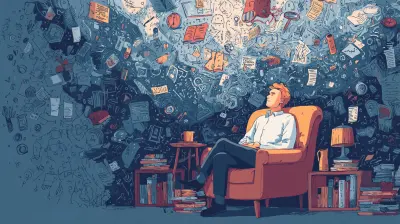
The Burnout Recovery Journey: What to Expect
5 January 2026
Burnout is more than feeling tired—it's an overwhelming state of physical, emotional, and mental exhaustion. It creeps up slowly, often disguised as stress, until one day, you feel completely drained, unmotivated, and disconnected from everything around you. Sound familiar? If so, you're not alone.
Recovering from burnout isn't about taking a day off and hoping things go back to normal. It’s a journey—one that requires patience, self-awareness, and some serious self-care. But what does the road to recovery actually look like? Let’s break it down so you know what to expect.
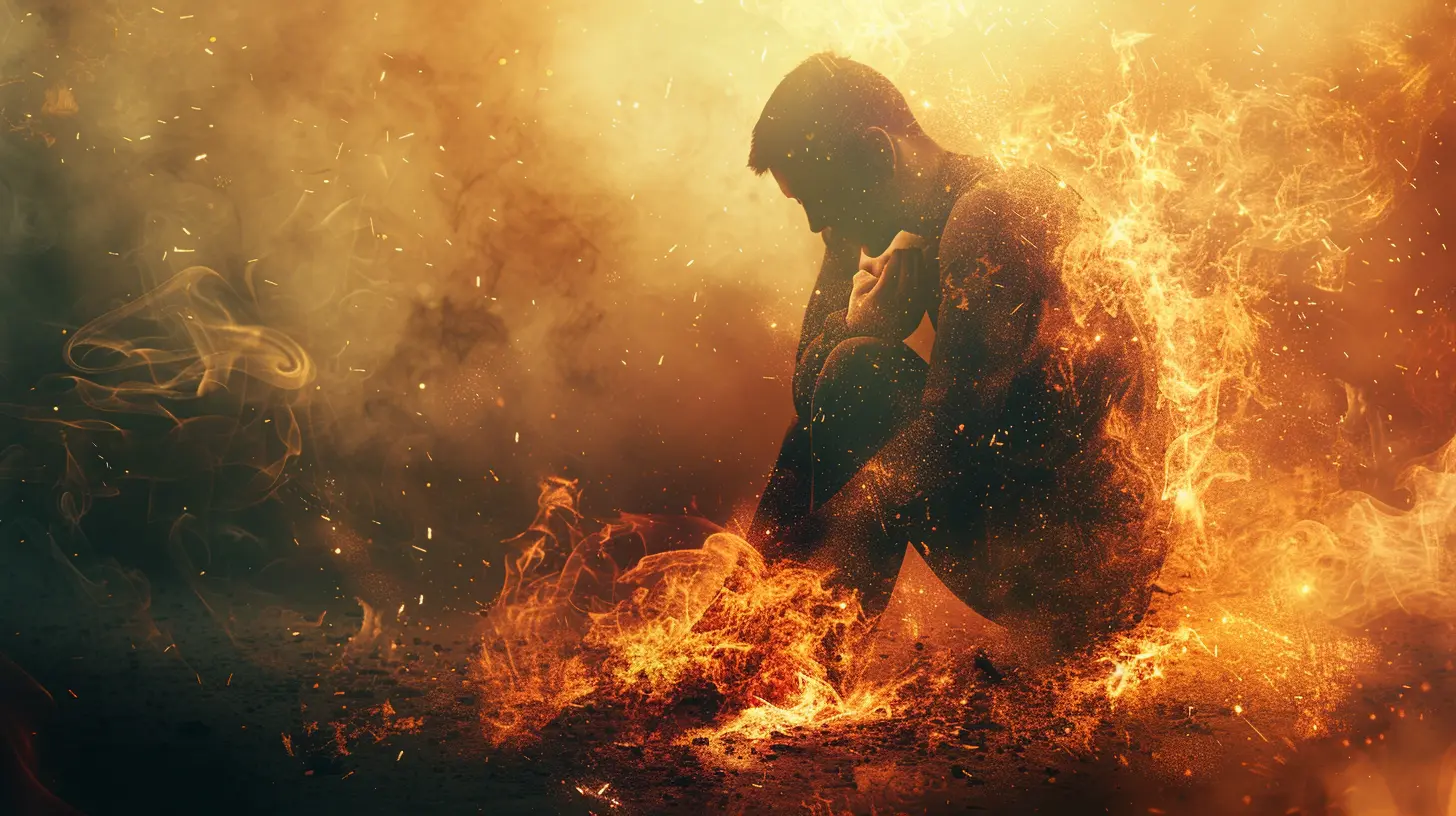
Understanding Burnout: More Than Just Stress
Before diving into recovery, it's important to understand what burnout really is. It's not just feeling overworked or frustrated—it’s a chronic state of exhaustion that affects your ability to function. It often stems from prolonged stress, whether from work, relationships, or even personal expectations.Common Signs of Burnout
If you're not sure whether you’re experiencing burnout, here are some telltale signs:- Chronic fatigue: Feeling drained even after rest
- Reduced motivation: Loss of interest in work or activities you once enjoyed
- Emotional detachment: Feeling distant from loved ones or responsibilities
- Cognitive difficulties: Trouble focusing or making decisions
- Increased irritability: Becoming easily frustrated over minor things
- Physical symptoms: Headaches, digestive issues, or muscle tension
Recognizing these signs is the first step toward recovery. Now, let’s talk about what to expect as you embark on this healing journey.

Stage 1: Acknowledgment – Accepting That You’re Burned Out
The first (and often hardest) step is admitting that you're burned out. Many people ignore the signs, thinking they just need to “push through” or “work harder.” But burnout doesn’t resolve itself—it only gets worse unless you take action.What to Do
- Self-reflection: Take a moment to assess how you're feeling emotionally and physically.- Talk about it: Confide in a trusted friend, partner, or therapist.
- Let go of guilt: Burnout isn’t a sign of weakness; it’s a signal that something needs to change.
This stage can feel overwhelming because it forces you to face the reality of burnout, but it’s necessary. Acceptance allows you to take the next steps toward healing.

Stage 2: Rest and Recovery – Giving Yourself Permission to Pause
Once you acknowledge burnout, the next step is rest. And no, I don’t just mean taking a random day off. True recovery requires intentional rest—mentally, emotionally, and physically.What to Expect
- Fatigue may get worse before it gets better. Your body is catching up on rest it desperately needed.- You might feel unproductive. That’s okay—healing takes time, and forcing yourself to be productive defeats the purpose.
- Guilt may creep in. Society glorifies hustle culture, but rest is not a luxury; it's a necessity.
How to Rest Properly
- Prioritize sleep: Aim for 7-9 hours of quality sleep per night.- Unplug from work: Set boundaries, take breaks, and avoid checking emails after hours.
- Engage in relaxing activities: Read, meditate, journal, or take a nature walk.
- Nourish your body: Eat nutritious foods and stay hydrated.
Think of it like rebooting a computer. It won’t work properly unless you give it time to shut down and reset.

Stage 3: Reevaluating Priorities – Identifying What Needs to Change
Burnout doesn’t happen overnight, and it doesn’t come from nowhere. It's usually a sign that something in your life is out of balance.Self-Reflection Questions
- What aspects of my life are causing the most stress?- Am I overcommitted or saying “yes” too often?
- Do I have healthy boundaries, or do I let work/life obligations consume me?
- Is my lifestyle sustainable in the long run?
Making Changes
This stage is about adjusting your habits and mindset to prevent burnout from returning. You might need to:- Set stronger boundaries at work and in personal relationships.
- Delegate tasks and stop trying to do everything yourself.
- Reevaluate goals and expectations—are they realistic?
- Prioritize activities that genuinely bring you joy.
Stage 4: Gradual Rebuilding – Returning to Normal (But With a New Approach)
By this point, you’ll start to feel more like yourself again. But don’t rush back into your old ways—that's how burnout creeps back in. Instead, ease into things with a healthier approach.What to Expect
- Energy levels will slowly return. Some days will still be tough, but you’ll notice steady improvements.- You may have moments of doubt. That’s normal—healing isn’t linear.
- You’ll need to maintain boundaries. Avoid falling back into toxic work habits or overcommitment.
Sustainable Coping Strategies
- Stick to a balanced routine. Avoid overloading your schedule.- Say “no” when needed. Protect your time and energy.
- Incorporate self-care consistently. Make it a non-negotiable part of life.
- Check in with yourself regularly. Notice early signs of burnout so you can take action before it escalates.
Stage 5: Preventing Relapse – Staying Mindful of Burnout Triggers
Burnout recovery isn’t a one-time event—it’s an ongoing process. Just like maintaining good physical health, mental well-being requires regular care.Warning Signs of Relapse
- Feeling constantly overwhelmed again- Losing interest in things you enjoyed post-recovery
- Struggling with sleep, mood swings, or irritability
- Noticing old habits creeping back in
How to Stay Resilient
- Regular check-ins: Assess how you're feeling emotionally and physically.- Practice mindfulness: Meditation, breathing exercises, or journaling can help.
- Keep boundaries firm: If something drains you, reassess whether it deserves your time.
- Make rest a priority: Don’t wait until exhaustion hits—schedule breaks and downtime.
Think of your recovery as maintaining a garden. If you neglect it, weeds (burnout) start creeping in again. But with regular care, it flourishes.
Final Thoughts
Burnout recovery isn’t about finding a quick fix—it’s about transforming the way you approach work, rest, and personal well-being. While the journey can be challenging, every step brings you closer to a healthier, more sustainable lifestyle.If you’re going through burnout right now, take it one day at a time. You don’t have to have it all figured out today, but by prioritizing rest, setting boundaries, and making gradual changes, you’ll regain your energy and love for life again.
all images in this post were generated using AI tools
Category:
BurnoutAuthor:

Jenna Richardson
Discussion
rate this article
2 comments
Zephira McGrady
What surprising insights will this reveal?
February 8, 2026 at 4:17 AM
Jenna Richardson
This article will reveal that burnout recovery is not linear, often involving unexpected emotional shifts and the importance of self-compassion.
Vivian McElveen
Great insights, very helpful!
January 24, 2026 at 4:57 AM
Jenna Richardson
Thank you! I'm glad you found it helpful.