Social Anxiety in Parenthood: Navigating Playdates, School Events, and More
3 May 2026
Parenting is hard enough without the added stress of social anxiety. You’ve got your hands full with diapers, tantrums, and sleepless nights—so why does the thought of a school event or a playdate make your stomach churn? If you constantly worry about awkward small talk, judgmental glances, or saying the wrong thing, you’re not alone. Many parents struggle with social anxiety, especially when it comes to interacting with other parents, teachers, and even their child’s friends.
But here’s the thing—avoiding these situations won’t make them any easier. The good news? You can manage social anxiety while still being the involved, supportive parent your child needs. Let’s break it all down and figure out how to tackle playdates, school functions, and more without feeling overwhelmed.
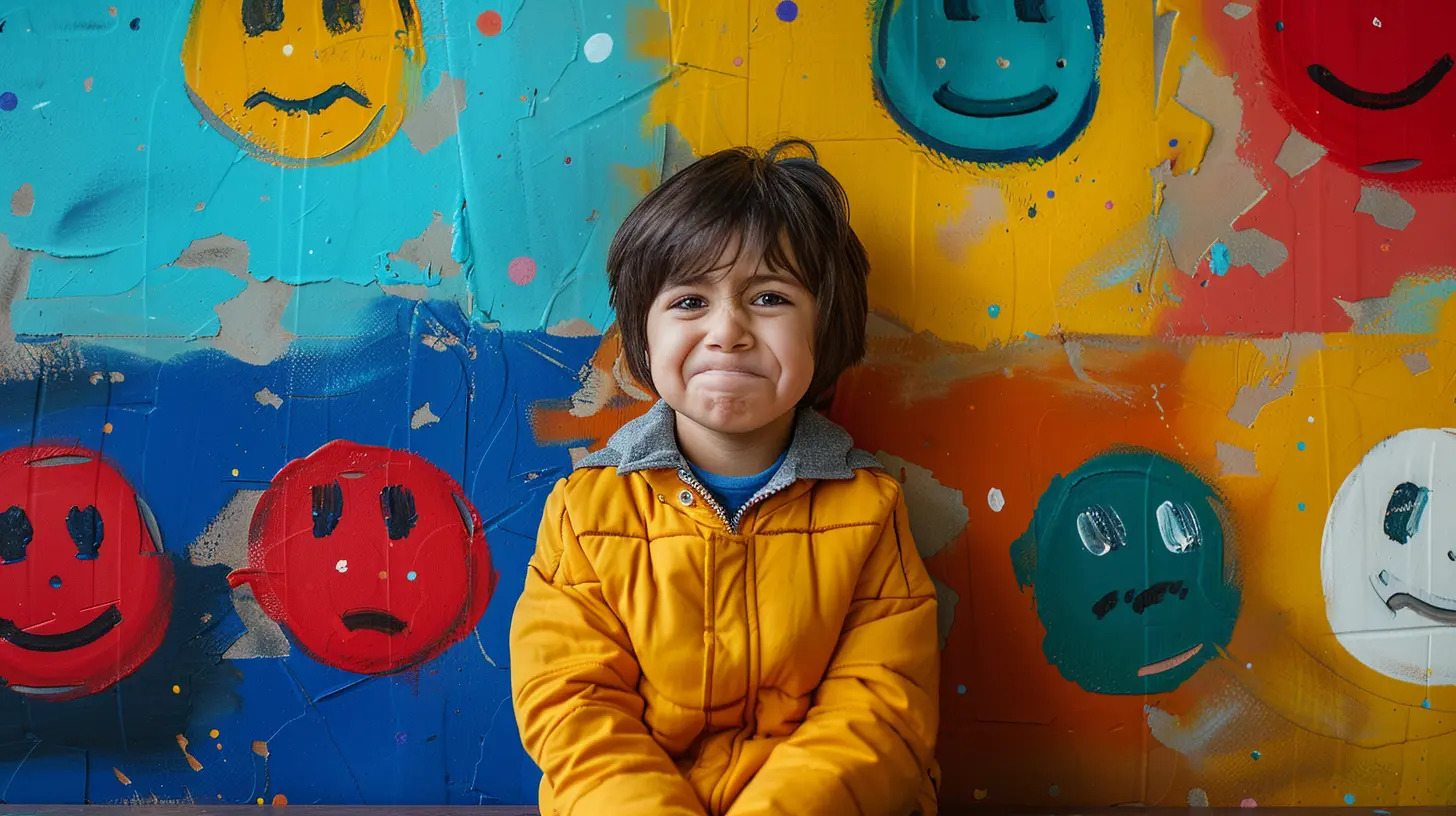
What Exactly is Social Anxiety?
Before we dive into the parenting-specific struggles, let’s clarify what social anxiety actually is. It’s more than just being shy or introverted—it’s a deep fear of judgment, embarrassment, or saying or doing something "wrong" in social situations. When you have social anxiety, even casual interactions can feel like high-stakes performances, where one misstep could lead to humiliation.In the context of parenthood, social anxiety can manifest as:
- Avoiding playdates because you don’t want to interact with other parents.
- Feeling physically tense or nauseous before attending school meetings.
- Overanalyzing what you said in a casual conversation with another mom or dad.
- Worrying excessively about how other parents perceive you.
If any of this sounds painfully familiar, don’t worry—you’re not doomed to a life of avoiding PTA meetings and dodgeball games. Let’s talk about how to handle some of the most common social anxiety triggers in parenthood.

Conquering Playdate Panic
Ah, playdates—a seemingly simple event for the kids, but for anxious parents? A social minefield.You might worry about what to say to the hosting parent, how to handle awkward silences, or even whether your child’s behavior will be judged. The temptation to fake an excuse and stay home is strong, but playdates are important. They help your child build friendships, learn social skills, and, let’s be honest, they sometimes give you a brief break.
Tips for Handling Playdates with Confidence:
1. Keep It Structured – Having a plan makes playdates less stressful. Suggest a clear start and end time and have activities lined up, like crafts or an outdoor game. This reduces the pressure of constant conversation.2. Prepare Some Conversation Starters – Awkward silences are less terrifying when you’ve got a few go-to topics in mind. Ask about their child’s favorite activities, how they handle bedtime routines, or what local kid-friendly spots they recommend.
3. Focus on the Kids – When in doubt, turn the conversation to your children. Compliment their child’s creativity, ask about their school, or discuss funny parenting moments.
4. Remind Yourself That Other Parents Are Just as Busy – They’re probably not analyzing your every move. Most parents are just trying to survive the day, just like you.

Navigating School Events Without Stress
Parent-teacher conferences, back-to-school nights, class parties—these events can feel like social anxiety nightmares. Large groups, social expectations, and the fear of looking out of place can make you want to stay home. But attending these events is important for your child’s education and social life, so let’s tackle them one at a time.Strategies for Easing School-Related Anxiety
1. Go With a Purpose – Remind yourself why you’re there—to support your child. Focusing on that instead of your own insecurities can shift your mindset.2. Arrive Early – Walking into a crowded room is overwhelming. Getting there a little early gives you time to settle in and ease into social interactions gradually.
3. Stick to a Game Plan – Need to meet a teacher? Make a mental list of what you want to ask. Attending a school function? Find a seat near a friendly face to make things more comfortable.
4. Give Yourself Permission to Keep It Short – If mingling stresses you out, set a small goal, like chatting with one new parent or staying for just 30 minutes. You don’t have to be the last one to leave!

Handling Social Anxiety at Birthday Parties
Birthday parties are meant to be fun for kids, but for socially anxious parents, they can be a real challenge. There's the pressure of small talk, the uncertainty of knowing other parents, and the awkwardness of deciding whether to stay or leave.How to Keep Birthday Party Stress Levels Low
1. Decide in Advance If You’ll Stay – Some parents drop their kids off while others stay and socialize. Knowing what you’re comfortable with ahead of time prevents last-minute panic.2. Pair Up With Another Parent – If possible, arrange to attend with a friend or someone you know. Having a familiar face can ease tension.
3. Find a Job to Keep You Busy – Offer to help set up or take photos. Having a task can reduce awkward downtime.
4. Remember, No One Is Watching You – Other parents are likely busy watching their own children, chatting, or just enjoying the event. You’re not under a microscope.
What If You Embarrass Yourself?
Let’s be real—there will be moments where you feel awkward. Maybe you forget someone’s name, say something a little weird, or misinterpret a joke. The truth is, most people only dwell on their own social missteps, not yours.Try this: Think about the last time a parent fumbled through a conversation with you. Did you spend hours replaying their every word? Probably not. And that’s exactly how little people dwell on your moments of awkwardness.
If you do say something embarrassing, laugh it off or casually move on. The more you let go of the fear of imperfection, the more comfortable you’ll become.
Final Thoughts: Give Yourself Grace
Social anxiety in parenthood is tough, but you’re tougher. The key isn’t to eliminate it completely (that’s unrealistic), but to manage it in a way that allows you to show up for your child.Start small—attend a short event, make one new connection, or practice small talk with your child’s teacher. With time, these interactions will feel less overwhelming. And remember: You’re doing a great job. No parent has it all figured out, and those “perfect” parents you worry about? They have their own insecurities too.
So take a deep breath, show up, and remind yourself that you belong in these spaces just as much as anyone else.
all images in this post were generated using AI tools
Category:
Social AnxietyAuthor:

Jenna Richardson
Discussion
rate this article
1 comments
Paula Fletcher
Great insights on managing social anxiety during parenting experiences. Thank you!
May 18, 2026 at 2:55 AM
Jenna Richardson
Thank you for your kind words! I'm glad you found the insights helpful.