Social Anxiety in College Students: Challenges and Solutions
28 August 2026
College: a magical place where caffeine, highlighters, and Wi-Fi work overtime. But for students living with social anxiety, it’s not all study groups and lattes. It can feel more like a never-ending awkward party where everyone else seems to know the dance moves—except you.
Social anxiety in college students is more common than many think. And yes, it’s about way more than being a little shy. We’re diving deep into what it really is, the hurdles it brings to college life, and how students can tackle it without turning into hermits.
Grab your anxiety blanket (we all have one), and let’s get into it.
What Is Social Anxiety, Anyway?
Before we start untangling the mess, let’s define it in plain English.Social anxiety isn’t just "being nervous." It’s that irrational fear of being judged, embarrassed, or rejected in social situations—even quite ordinary ones. Like raising your hand in class? Horrifying. Making small talk in the dining hall? Total nightmare. Group presentations? Might as well be public execution.
At its core, social anxiety is this nagging internal script that screams: “You’re doing it wrong and everyone’s watching!”
Sound familiar?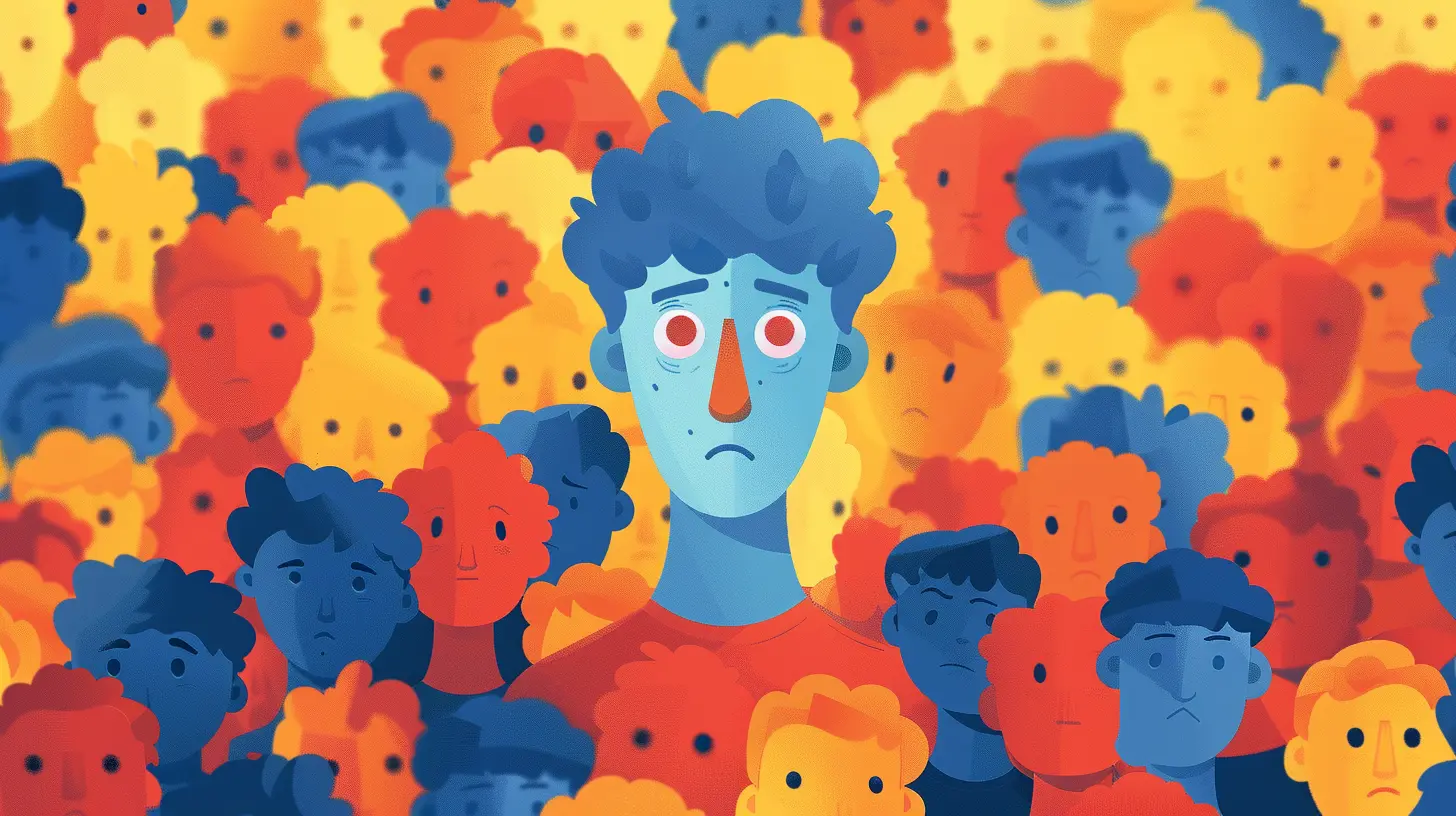
Why College Wakes the Social Anxiety Monster
College is like a social anxiety obstacle course—dorms, dining halls, discussion groups, professors who randomly say, “Tell us about yourself.”Here’s why college life throws fuel on the anxiety fire:
1. The Pressure to “Find Your People”
From day one, there’s an unspoken message: You better make lifelong friends immediately or your college experience is a flop. So now instead of just adjusting to a new environment, students are also expected to be charismatic social butterflies.Spoiler alert: That pressure is bogus.
2. Public Speaking and Class Participation
Raise your hand and risk saying something weird? No thanks. For socially anxious students, every time the professor says, “any thoughts?” it feels like the Hunger Games. May the odds be ever in your favor.3. Roommate Roulette
Living with strangers? Sounds like the start of a reality TV show. Navigating shared spaces, setting boundaries, and initiating awkward but necessary conversations about quiet hours—yup, all anxiety triggers.4. Networking Events and Internships
Imagine being told your future depends on “putting yourself out there”—and then being shoved into a suit and sent to a career fair. For someone with social anxiety, that’s pure psychological torture.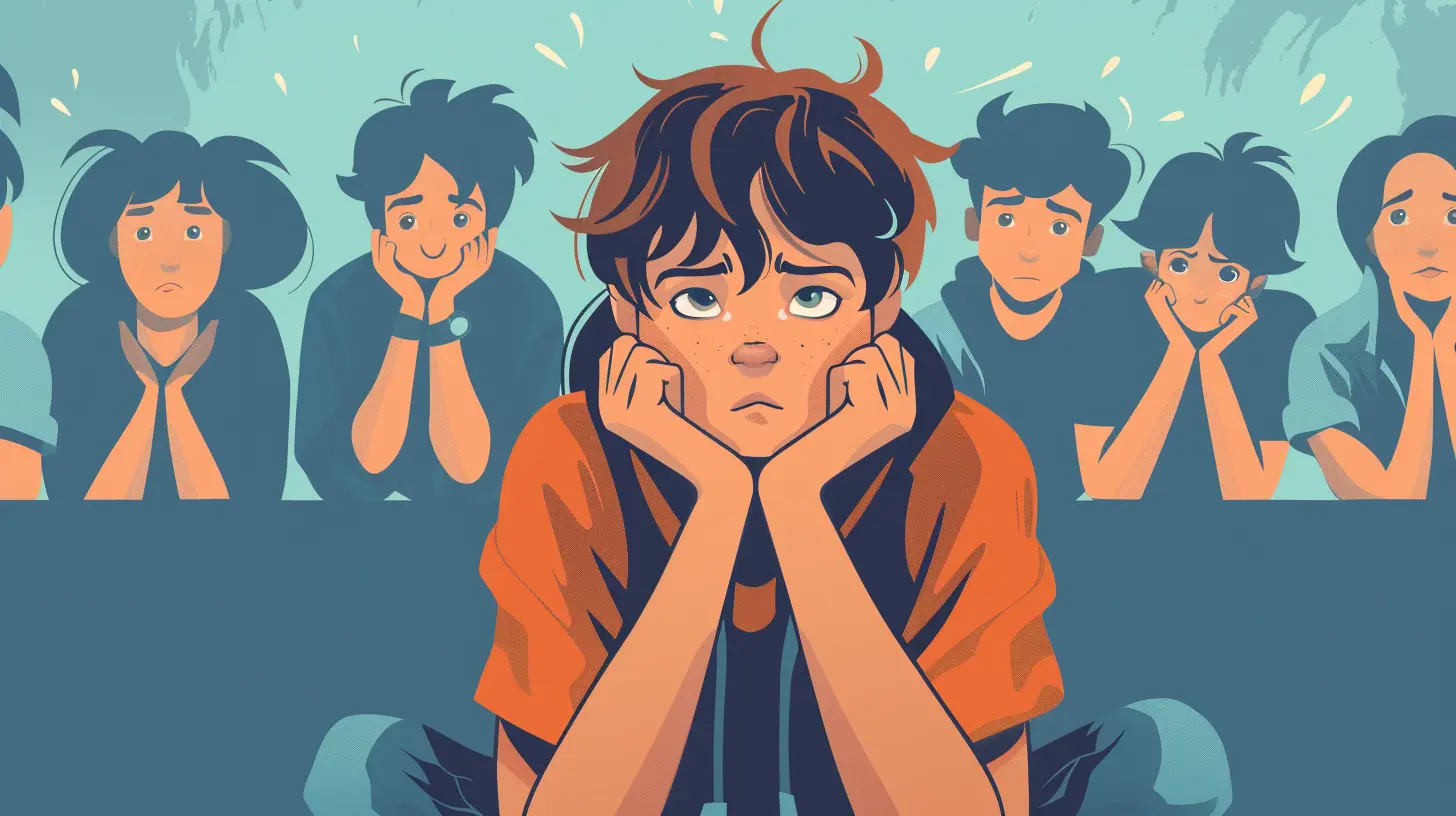
Signs Your Social Anxiety Might Be More Than Just “Nerves”
Let’s set the record straight. Everyone gets nervous sometimes. But social anxiety crosses the line when it starts affecting your day-to-day life and mental health.Here are some signs to watch for:
- Avoiding classes or skipping events to dodge interactions
- Replaying every conversation in your head like a cringy movie
- Sweating, trembling, or feeling nauseous during social situations
- Intense fear of being judged or humiliated
- Difficulty speaking, even when you know exactly what you want to say
If that list hits close to home, you’re not alone—and you’re not broken. You just need support.
The Silent Struggle: What Makes Social Anxiety So Sneaky
Social anxiety is a master of disguise. Students dealing with it might look perfectly fine on the outside—good grades, polite smiles—but inside they're spiraling.Why? Because college culture tends to reward extroversion. People who speak up, take initiative, and lead group projects get the A’s and applause. Meanwhile, socially anxious students often suffer in silence, worried that asking for help will only confirm their fears of inadequacy.
So what ends up happening? They isolate themselves. And isolation, dear reader, is the worst wingman for anxiety.
So...What Actually Helps?
If social anxiety’s your uninvited college roommate, you don’t have to just live with it. There are legit ways to kick it out—or at least make it way less annoying.Let’s talk solutions.
1. Cognitive Behavioral Therapy (CBT): The Gold Standard
Imagine your brain as a messy closet. CBT is like hiring a professional organizer. It helps you unpack those irrational thoughts (“Everyone thinks I’m weird”) and replace them with realistic ones (“Most people are too busy thinking about themselves to notice my awkwardness”).Therapists trained in CBT can walk you through this mental decluttering in a non-judgy, supportive way.
2. Exposure Therapy (Yes, Really)
Think of this as emotional strength training. Start with tiny challenges—like saying “hi” to a classmate or asking a question after class—and work your way up. Over time, your brain starts realizing: “Hey, that wasn’t so bad.”3. Support Groups
Sometimes, just knowing other students get it makes a world of difference. Colleges often have peer support groups or mental health clubs where you can meet others fighting the same battles. No motivational quotes—just real talk and real empathy.4. Mindfulness and Meditation
You don’t have to become a Zen master. But mindfulness helps you stay present instead of spiraling into “what ifs.” Try guided apps like Headspace or Calm, or take five minutes before class to breathe and ground yourself.5. Campus Counseling Centers
Don’t roll your eyes—they’re not as useless as their outdated websites make them look. Most campus counselors are trained for exactly this kind of issue. Reach out. Schedule an appointment. Worst case? You don’t vibe with one therapist and try another.6. Medication (If Needed)
Sometimes, anxiety is just too stubborn for therapy alone. And that’s okay. SSRIs or other medications prescribed by a psychiatrist can take the edge off so you can function better. No shame in getting biochemical backup.Real Talk: You’re Not Alone
Remember that Instagram-perfect roommate who seems to be friends with everyone and always has her planner color-coded? Yeah, even she probably gets socially anxious sometimes.More than 10 million adults in the U.S. struggle with social anxiety at some point, and many of them are college students. You’re not weird. You’re not weak. You’re just human.
And guess what? Humans are weird and anxious sometimes.
Coping Strategies You Can Try, Like…Today
If you’re in the weeds and need practical stuff now, here are a few bite-sized tools:- The 3-2-1 Rule: Name 3 things you can see, 2 you can touch, and 1 you can hear. Instant grounding.
- Power Poses: Channel your inner superhero before a presentation.
- Write Scripts: Pre-write conversation starters or responses. It’s like having social cheat codes.
- Set Small Goals: Think “say hi to one person today” not “become class president.”
- Celebrate Tiny Wins: Every awkward wave or semi-confident group discussion matters. Give yourself credit.
When to Seek More Help
You don’t have to be in full-blown crisis to talk to someone. If social anxiety is robbing your college experience—if it’s making you feel trapped, constantly exhausted, or disconnected—it’s time.Reach out. To a counselor. A doctor. A friend. Heck, even a Reddit support thread if that’s what gets you started. The important part is: don’t go it alone.
Final Thoughts: You’ve Got This
Let’s be real—college is hard enough without a constant internal critic narrating your every move. But social anxiety doesn’t have to dominate your story.It won’t vanish overnight, and it might always be there in the background, like that mysterious smell in the dorm hallway. But with the right tools, support, and mindset, you can live—really live—instead of just surviving each social situation.
So next time your brain says, “Everyone’s judging you,” hit it back with: “Maybe. But I’m still showing up.”
And honestly? That’s more than enough.
all images in this post were generated using AI tools
Category:
Social AnxietyAuthor:

Jenna Richardson
Discussion
rate this article
1 comments
Eli Soto
In crowded halls, hearts race and minds swirl, yet each step holds courage. With shared stories and gentle support, the path to ease unfolds, inviting connection where uncertainty once lingered.
September 5, 2026 at 2:57 PM
Jenna Richardson
Thank you for this beautiful reflection. It captures the essence of connection and courage that can truly make a difference for students facing social anxiety.