Simple Mindfulness Habits That Will Change Your Life by 2027
24 April 2026
Let’s be real for a second. You’ve probably heard about mindfulness a million times by now. Maybe you’ve rolled your eyes at yet another influencer sitting cross-legged on a beach, whispering about "being present." Or maybe you’ve tried it once, got bored after three breaths, and decided it wasn’t for you. I get it. I’ve been there too.
But here’s the thing: mindfulness isn’t about becoming a zen master or emptying your mind of all thoughts (which, let’s face it, sounds impossible and a little terrifying). It’s about small, almost laughably simple habits that, when stacked together over time, can genuinely shift how you experience your life. And by 2027—yes, just a few years from now—these tiny shifts can compound into something remarkable.
Think of it like brushing your teeth. One brush doesn’t save your teeth, but a thousand brushes over time? That’s a smile that lasts a lifetime. Mindfulness works the same way. So, grab a cup of coffee (or tea, no judgment here), get comfortable, and let’s walk through some simple habits that could actually, truly, change your life by 2027.

Why Mindfulness Matters More Now Than Ever
Before we dive into the habits, let’s talk about why this matters. We live in an era of constant noise. Notifications buzz, emails pile up, and our brains are pulled in a thousand directions at once. It’s like trying to watch ten movies at the same time—nothing makes sense, and you end up exhausted.Mindfulness isn’t some fluffy trend. It’s a practical tool to quiet that noise. Research shows it reduces stress, improves focus, and even boosts emotional resilience. But the real magic? It helps you stop living on autopilot. You know that feeling when you drive somewhere and don’t remember the journey? That’s autopilot. Mindfulness wakes you up. It turns the volume down on your inner critic and up on the moments that actually matter.
By 2027, imagine looking back and realizing you didn’t just survive the last few years—you thrived. You felt more joy, handled challenges with grace, and actually remembered the good stuff. That’s the promise of these simple habits.
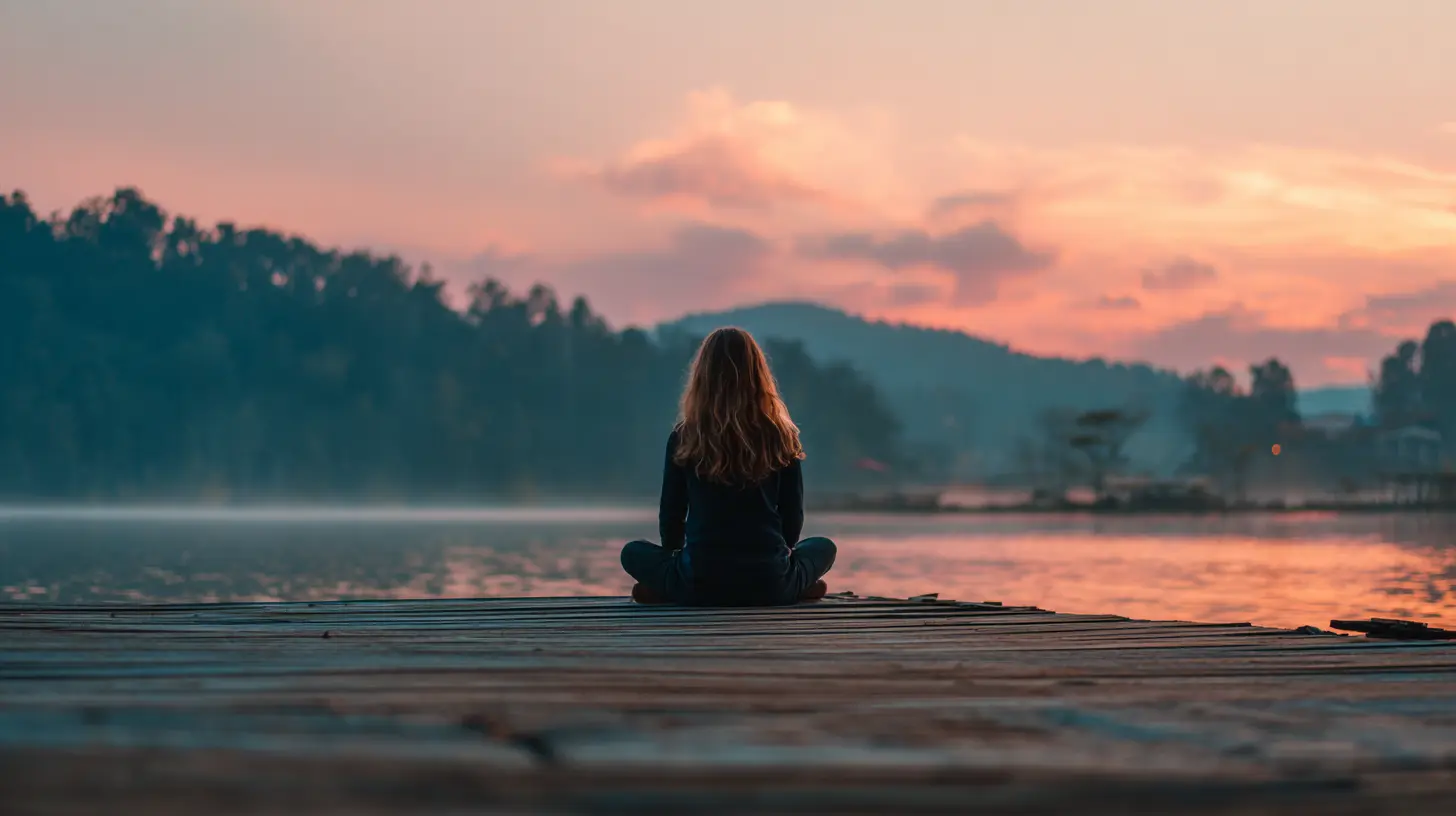
Habit #1: The "One-Breath Reset" (Yes, Just One Breath)
I know, I know. You’re thinking, "One breath? That’s it?" But stick with me. This is the simplest, most underrated habit you can start today. Most of us take shallow, rapid breaths that barely fill our lungs. We’re in a constant state of low-grade fight-or-flight. The "one-breath reset" is exactly what it sounds like: whenever you feel overwhelmed, irritated, or spaced out, take one single, conscious breath.Here’s how: Inhale slowly through your nose for a count of four. Hold for a second. Exhale through your mouth for a count of six. That’s it. One breath.
Why does this work? Because it forces your nervous system to hit the pause button. It’s like rebooting a glitchy computer. You don’t need a 20-minute meditation session. You just need one breath. Do this ten times a day, and by 2027, you’ll have taken over 10,000 conscious breaths. That’s 10,000 moments where you chose calm over chaos. Not bad for a single breath, right?
How to make it stick: Set a random alarm on your phone three times a day. When it goes off, take your one breath. No judgment if you miss it—just try again tomorrow.
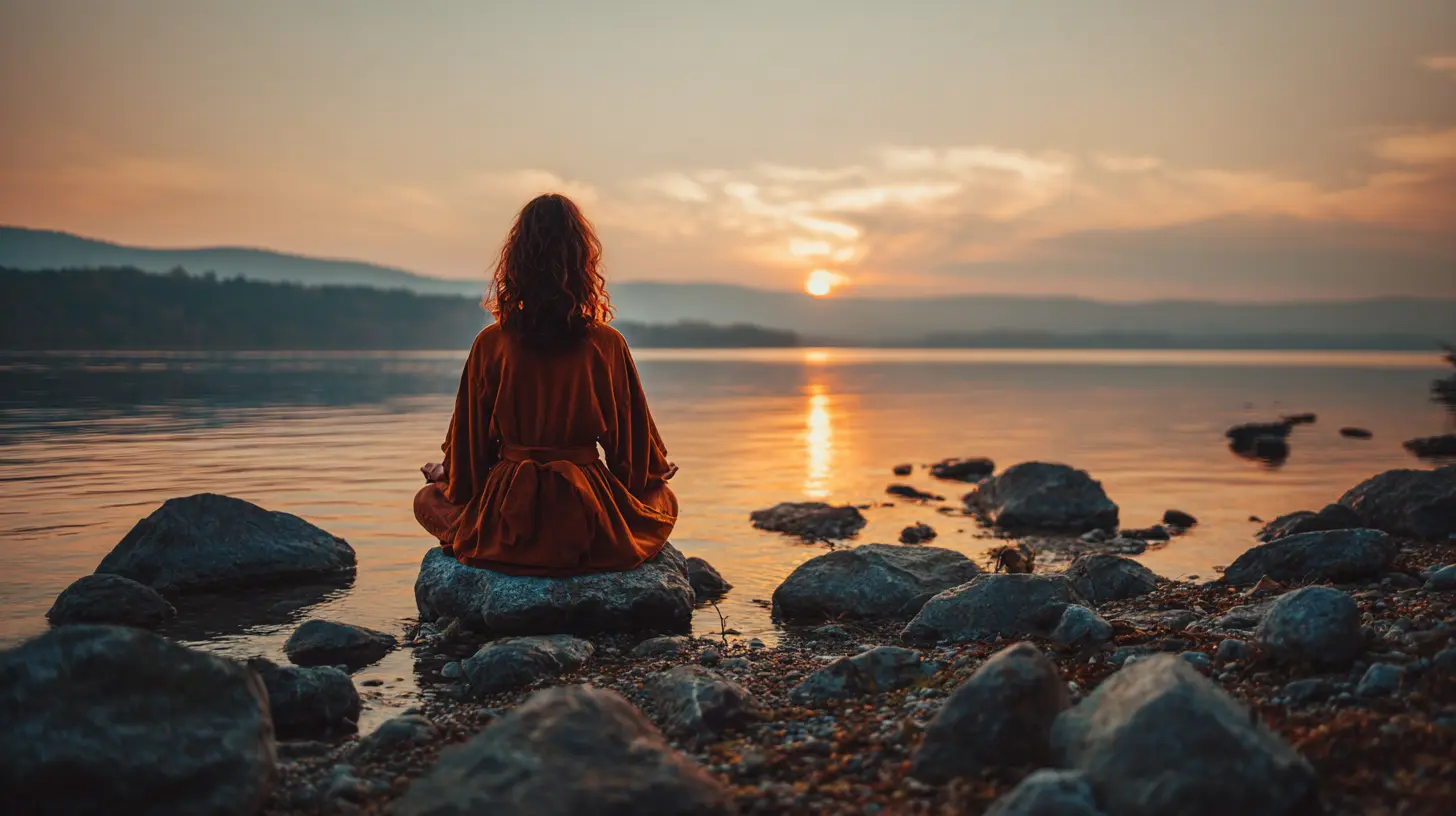
Habit #2: The "3-Second Pause" Before Reacting
Raise your hand if you’ve ever sent a text you instantly regretted. Or snapped at a loved one over something trivial. We’ve all been there. Our brains are wired to react quickly—it’s a survival instinct. But in modern life, that quick reaction often backfires.The "3-second pause" is your secret weapon. The next time someone says something that annoys you, or you feel anger rising, just pause. Count to three in your head. That’s it. Three seconds. Then respond.
Why does this work? Because those three seconds give your prefrontal cortex—the rational part of your brain—a chance to catch up with your amygdala, the emotional part. It’s like putting a speed bump on the highway of your emotions. You don’t suppress your feelings; you just give yourself a moment to choose your response instead of being a puppet to your impulses.
By 2027, this habit will have saved you countless arguments, hurt feelings, and regretful moments. It’s tiny, but it’s mighty.
Pro tip: Pair this with your one-breath reset. Inhale during the pause, exhale as you respond. Double the power.

Habit #3: "Single-Tasking" for 10 Minutes a Day
Multitasking is a myth. I said it. Our brains aren’t designed to do two things at once—they just switch rapidly between tasks, and that switching costs mental energy. It’s like trying to juggle while running. You might look busy, but you’re not effective.Enter single-tasking: do one thing for just ten minutes a day with zero distractions. No phone. No TV. No checking emails. Just you and the task. It could be washing dishes, folding laundry, reading a book, or even eating a snack. The key is to give that task your full attention.
Notice the warmth of the water on your hands. Feel the texture of the fabric. Taste the sweetness of the apple. This isn’t about productivity—it’s about presence. It’s a mini-vacation for your brain from the constant switching.
By 2027, imagine what 10 minutes a day adds up to. That’s over 3,650 minutes—or about 60 hours—of pure, focused presence. That’s like taking a week-long retreat, but you did it in tiny chunks. And the best part? Your concentration and patience will improve across the board.
How to start: Pick a time of day—maybe right after your morning coffee or during lunch. Set a timer for 10 minutes. Do your one thing. That’s it.
Habit #4: The "Gratitude Glimpse" Before Sleep
Gratitude is a buzzword, I know. But here’s why it works: our brains have a negativity bias. We remember the bad stuff more vividly than the good. It’s an evolutionary leftover from when noticing a saber-toothed tiger was more important than noticing a pretty flower. But in today’s world, this bias makes us anxious and dissatisfied.The "gratitude glimpse" is a simple antidote. Every night, just before you close your eyes, think of one tiny thing you’re grateful for. It doesn’t have to be profound. Maybe it’s the warm blanket, the funny meme your friend sent, or the fact that your coffee was just the right temperature. One thing. That’s it.
Why does this matter? Because you’re training your brain to scan for positives. Over time, this rewires your neural pathways. You’ll start noticing good things throughout the day, not just at night. By 2027, you’ll have logged over 1,000 gratitude moments. That’s 1,000 reminders that life, despite its messiness, is full of small treasures.
Make it easy: Keep a sticky note on your nightstand that says, "One good thing?" Say it out loud. Or whisper it. No journal required.
Habit #5: The "Mindful Walk" Without Headphones
I love music and podcasts as much as the next person. But here’s the truth: we rarely experience our surroundings fully. We walk from point A to point B with our ears plugged and eyes glued to screens. It’s like we’re ghosts floating through our own lives.Once a day, take a 5-minute walk without any audio input. No headphones. No phone. Just you, your footsteps, and the world around you. Notice the color of the sky. Feel the ground under your feet. Listen to the birds, the wind, or even the traffic. You’re not trying to "meditate"—you’re just being.
This habit grounds you in your body and your environment. It’s a gentle reminder that you’re part of a bigger, living world. By 2027, those 5-minute walks will add up to over 30 hours of pure, unfiltered connection with reality. That’s not just mindfulness—it’s a love affair with your own life.
No time for a walk? Just stand outside your door for 2 minutes. Same effect, shorter duration.
Habit #6: The "Noticing Game" for Mundane Moments
Here’s a fun one: turn boring moments into a game. Waiting in line? Instead of pulling out your phone, play the "noticing game." Look around and find three things you’ve never noticed before. Maybe it’s a crack in the ceiling that looks like a dragon, the pattern on a stranger’s scarf, or the way light hits a puddle.This isn’t silly—it’s powerful. It trains your attention to be curious and open. You’re shifting from "I’m bored" to "I’m exploring." And curiosity is the fuel of mindfulness. By 2027, you’ll have turned hundreds of dull moments into tiny adventures. That’s a life that feels richer, not because you did more, but because you saw more.
Try this: Every time you’re stuck waiting—for coffee, for a meeting, for a red light—play the game. It’s free, it’s easy, and it’s secretly revolutionary.
Habit #7: The "Digital Sunset" 30 Minutes Before Bed
Let’s address the elephant in the room: our phones. They’re designed to hijack our attention. The blue light messes with our sleep, and the endless scrolling keeps our brains in a state of low-level arousal. It’s like drinking coffee right before bed.The "digital sunset" is simple: put away all screens 30 minutes before you sleep. That’s it. No phone, no tablet, no laptop. Use that time to read a physical book, stretch, talk to a loved one, or just stare at the ceiling. Yes, staring at the ceiling counts.
Why does this work? Because it gives your brain time to wind down naturally. You’re signaling to your body that it’s safe to rest. Over time, your sleep quality improves, and your dreams become more vivid. By 2027, this habit will have given you hundreds of hours of better sleep—and sleep is the foundation of mental health.
But what if I need my phone for an alarm? Get a cheap alarm clock. Trust me, it’s worth it.
Habit #8: The "Body Check-In" While Brushing Your Teeth
Brushing your teeth is something you do twice a day anyway. Why not double-dip? While you brush, do a quick body scan. Start from your toes and work your way up. Notice any tension in your jaw, shoulders, or stomach. Don’t try to change it—just notice it.This takes about 30 seconds. It’s a mini check-in with your physical self. Most of us ignore our bodies until something hurts. This habit builds awareness. By 2027, you’ll have done over 2,000 body check-ins. You’ll catch stress early, before it turns into a headache or a stiff neck. It’s like having a early warning system for your well-being.
Bonus: You’ll brush your teeth more thoroughly because you’re present. Win-win.
How to Stack These Habits for Maximum Impact
You don’t need to do all eight habits at once. That’s a recipe for burnout. Pick two or three that resonate with you. Maybe start with the one-breath reset and the gratitude glimpse. Once those feel automatic, add the 3-second pause. Stack them like building blocks.Think of it as planting seeds. You water them a little each day, and by 2027, you’ll have a garden you didn’t even know you were growing. You’ll be calmer, more focused, and more present. You’ll handle stress like a pro, and you’ll actually enjoy the small moments that make up a life.
The Real Secret: Consistency Over Perfection
Here’s the part nobody tells you: you will mess up. You’ll forget to take your one breath. You’ll snap at someone before your 3-second pause. You’ll scroll through your phone past your digital sunset. That’s okay. Mindfulness isn’t about being perfect—it’s about coming back.Every time you forget and then remember, you’re strengthening your mindfulness muscle. It’s like falling off a bike and getting back on. The getting back on is the practice. So be kind to yourself. Laugh at your forgetfulness. And start again.
By 2027, you won’t be a different person—you’ll be a more awake version of yourself. And that’s the whole point.
all images in this post were generated using AI tools
Category:
Mindfulness PracticesAuthor:

Jenna Richardson
Discussion
rate this article
2 comments
Rebecca McMahan
I'll start my mindfulness journey after I finish this pizza and binge-watch my favorite show. Who knew changing my life could be as easy as eating, relaxing, and pretending I'm deep in thought about my next snack?
September 21, 2026 at 5:06 PM
Daniella Kearns
This article offers valuable insights. Simple mindfulness can truly transform our daily experiences. Thank you!
May 4, 2026 at 3:23 AM
Jenna Richardson
Thank you for reading! I'm glad you found the insights valuable. Mindfulness really can make a big difference.