Overcoming Loneliness: Emotional Support When You Feel Isolated
18 January 2026
Let’s be real—feeling lonely can be downright draining. It creeps in during quiet nights, sneaks up in busy rooms, and sometimes settles in for weeks without warning. If you’ve found yourself dealing with that sinking feeling of loneliness, you’re not alone (even if it might feel that way).
Life throws curveballs—breakups, moving to a new city, losing touch with friends, or just struggling with personal stuff. These moments can leave us feeling like we’re on the outside looking in. But here’s the good news: loneliness is a feeling, not a permanent state of being. And there are real, practical ways to move through it.
Let’s talk about how you can overcome loneliness and tap into emotional support—even if it feels like the world’s gone quiet.
What Exactly Is Loneliness, Anyway?
We all get lonely sometimes, but it’s more than just being by yourself. Loneliness is that aching gap between the relationships you want and the ones you have. You might have hundreds of followers or be surrounded by people every day but still feel disconnected.It can hit anyone—young, old, rich, poor, introverts, extroverts—it doesn’t discriminate. And beyond the emotional toll, loneliness can actually affect your physical health, messing with your sleep, raising stress hormones, and even impacting the immune system. Yikes, right?
But again, it’s important to remember: loneliness isn’t a life sentence. It’s a signal, like a mental nudge saying, “Hey, let’s connect.”
Why Do We Feel Lonely?
Let’s break this down. Loneliness can show up for a bunch of reasons. Some common culprits?- Big life changes: Starting college, moving cities, switching jobs, retiring—it can all seriously disrupt your social circle.
- Technology overdrive: Sure, we’re more “connected” than ever, but endless scrolling and DMs often leave us feeling more isolated than fulfilled.
- Mental health struggles: Depression and anxiety can make it tough to reach out or keep up with friends.
- Expectations vs. reality: Sometimes we build up how our relationships should be and feel crushed when they don’t match up.
Understanding where the loneliness is coming from is the first step in figuring out how to deal with it.
The Difference Between Being Alone and Feeling Lonely
Here’s a quick reality check—not all alone time is bad. In fact, being alone can be peaceful, soothing, and recharging.Loneliness, on the other hand? That’s the emotional sting of craving company or connection and not feeling it.
Imagine you’re sitting in a quiet cafe, sipping coffee while reading your favorite book. Alone? Yes. Lonely? Not necessarily.
But imagine being at a party, music playing, people chatting—and yet you feel invisible. That’s loneliness in action.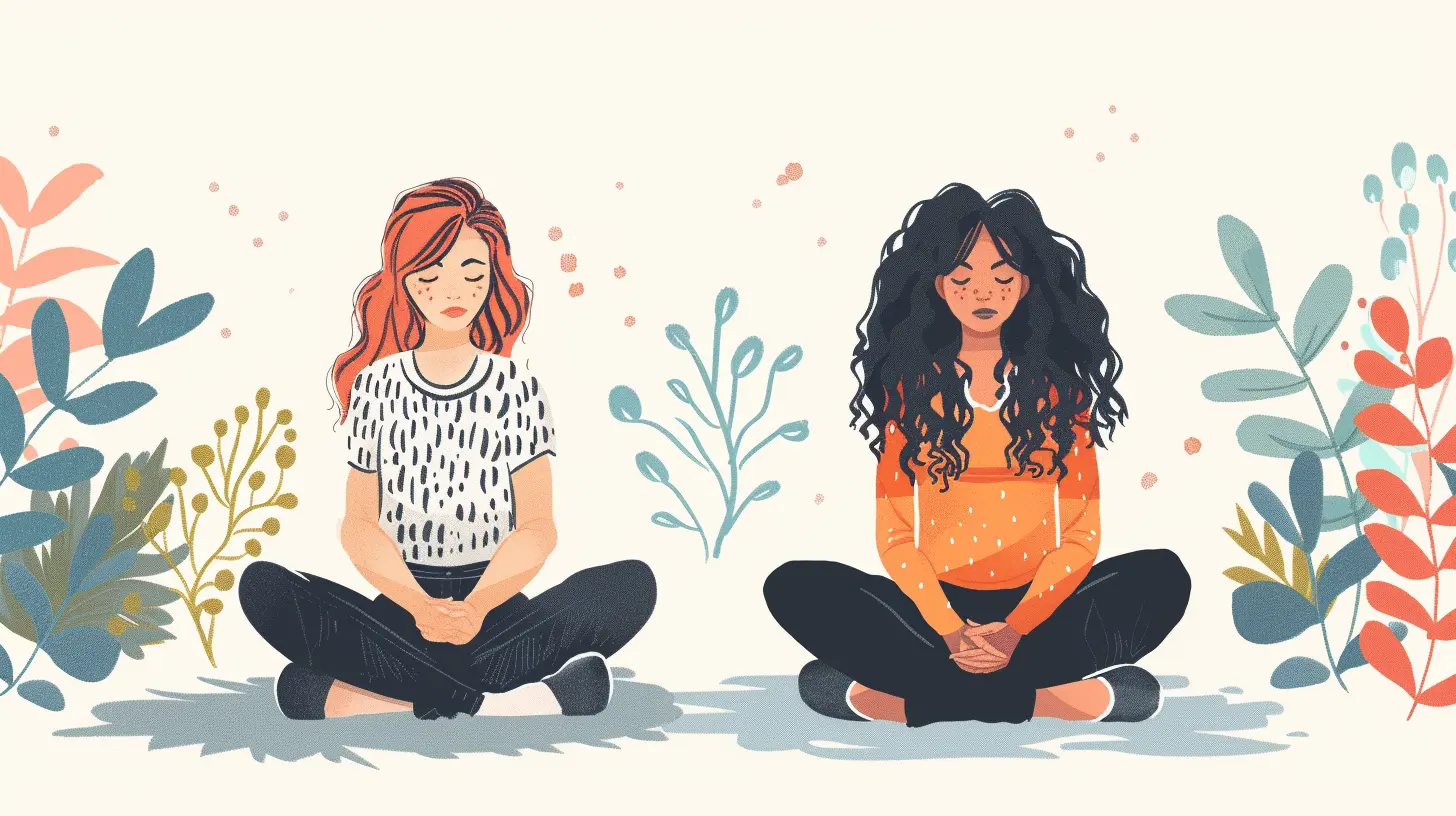
How to Recognize the Signs of Loneliness
Sometimes, loneliness wears a disguise. You might chalk it up to being tired or “just not in the mood,” but here are some signs to watch out for:- Constantly feeling disconnected or left out
- Lack of motivation to engage with others
- Trouble sleeping or oversleeping
- Eating too much or not enough
- Feeling physically tired, even after resting
- A sense of emptiness or sadness that lingers
If these feel familiar, it’s time to take action.
So, What's the Cure for Loneliness?
There’s no magic switch, but there are definitely ways to shift out of loneliness and into connection. Let's break them down into simple, actionable steps.1. Reach Out—Yes, Even When It’s Hard
I know—when you’re lonely, reaching out can feel like climbing a mountain in flip-flops. But sometimes the best way to get the support you need is to take the first step.Call a friend. Text your cousin. Even sending a “thinking of you” message can help revive connections. You’d be surprised how many people are also craving a little connection.
And hey, if someone doesn’t respond right away? Don’t take it personally. Keep trying. Relationships take nurturing—just like plants (and yep, some of them are cactus-level high-maintenance!).
2. Join Communities That Match Your Vibe
There’s a group out there for literally everything—from book clubs to hiking meetups to online forums about your favorite hobby. Whether you’re into Dungeons & Dragons or dog yoga (yep, that’s a thing!), finding people who share your interests can be game-changing.Check out:
- Meetup.com
- Facebook groups
- Local community centers
- Reddit communities
- Hobby-specific apps
You don’t have to become best friends overnight. Just showing up is progress.
3. Talk to a Therapist (Seriously, It Helps)
Feeling isolated can trigger deeper stuff: low self-esteem, sadness, anxiety. And unpacking those feelings with a professional can be seriously liberating.Therapists don’t just sit there nodding—they help you build tools to understand your emotions and steer your life in a better direction.
And if face-to-face therapy feels like too much? Online therapy platforms (like BetterHelp or Talkspace) make it easier than ever to chat with someone who gets it.
4. Practice Self-Compassion (Cut Yourself Some Slack)
Sometimes we beat ourselves up for feeling lonely. Like, “What’s wrong with me?” or “Why don’t I have more friends?”Pause. Breathe. You’re not broken.
Talk to yourself the way you’d talk to a close friend. Be kind. Remind yourself that loneliness doesn't define your worth. It’s just a part of the human experience—and it will pass.
5. Create Daily Connection Rituals
Loneliness feeds off isolation, so find small ways to inject connection into your daily routine.Here’s what that could look like:
- Smile or say hi to your barista
- Chat with your neighbor for a few minutes
- Comment meaningfully instead of just liking posts
- Send a morning message to someone you care about
- Write down three people you're grateful for
These may seem like small gestures, but over time? They add up. One connection leads to another.
6. Get Moving—Literally
Exercise isn’t just for your body—it works wonders for your mind. It boosts endorphins (aka feel-good chemicals) and gives you a natural high. Plus, joining group classes or walking clubs can be a sneaky way to meet people.Even a solo walk in nature can make you feel more connected to the world. Trees don’t talk, but somehow they’re great listeners.
7. Unplug to Reconnect
Social media is a double-edged sword. Sure, it keeps us “connected,” but it can also leave us feeling like we’re not enough.Try a break. Even for a day or two.
Use that time to call someone, write in a journal, read a book, or dive into a hobby. It’s wild how much clearer your mind feels without notifications pinging every five minutes.
8. Volunteer Your Time
Helping others is a powerful antidote to loneliness. When you give your time or skills, you connect on a human level—and it reminds you that you matter.Whether it’s walking dogs at a shelter, tutoring kids, or serving meals at a community kitchen, giving back fills up your heart while filling someone else’s.
9. Invest in Quality Over Quantity
You don’t need a crowd—you need real connection. One close friend you can be your awkward, weird, emotional self with is worth more than a hundred shallow acquaintances.Look for relationships that feel good, not just ones that check a box. Nurture them. Be vulnerable. Let people in.
10. Start With You: Get Comfortable Being Alone
This might sound like a contradiction, but hear me out.When you enjoy your own company, you’re less dependent on others to feel okay. That makes your relationships healthier—and your sense of self stronger.
Try solo coffee dates. Watch a movie by yourself. Take that road trip you’ve been putting off. The more you embrace solitude, the less scary it feels.
When to Seek Professional Help
If loneliness hangs around despite your best efforts—or if it’s turning into depression—it’s time to talk to someone.Signs it might be more than just a rough patch:
- Feeling hopeless or helpless
- Losing interest in things you used to enjoy
- Thoughts of self-harm or suicide
- Aches and pains with no physical cause
This is where therapy, support groups, or even medication might come in. You don’t have to handle this alone.
Final Thoughts: You Are Not Alone
Loneliness is tough, no doubt about it. But it’s also something that almost everyone faces at some point. The key is to listen to it—not as a judgment, but as a signal. A call to connect. To seek support. To open up.You’re allowed to feel lonely.
You’re also capable of building meaningful connections that bring laughter, comfort, and joy into your life. So take the first step, even if it’s tiny. Say hi, send the text, join that group.
The world is full of people who would be lucky to know you.
all images in this post were generated using AI tools
Category:
Emotional SupportAuthor:

Jenna Richardson
Discussion
rate this article
2 comments
Melina McGuire
Great insights! Emotional support is vital for overcoming loneliness and fostering meaningful connections. Well done!
February 5, 2026 at 5:17 PM
Jenna Richardson
Thank you! I'm glad you found the insights valuable. Emotional support truly makes a difference.
Aria Acevedo
Remember, you’re never truly alone. Seeking connection and reaching out for support can transform your experience. Embrace hope and take that first step!
January 23, 2026 at 4:08 AM
Jenna Richardson
Thank you for your encouraging words! Seeking connection is indeed a vital step in overcoming loneliness.