How Social Media Affects Mental Health: What You Need to Know
23 July 2026
Scrolling through your feed while waiting for your coffee. Binge-watching Instagram Reels at midnight. Or maybe comparing your vacation pics to someone else's "perfect" travel life. We've all been there. Social media is now stitched into the fabric of our daily lives. But, have you ever stopped to think: How is all this scrolling affecting my mental health?
Well, you're not alone. It's a question that more and more people are starting to ask. Let's break it down together—without the psychobabble. Just real talk about how social media might be messing with (or helping) your head.
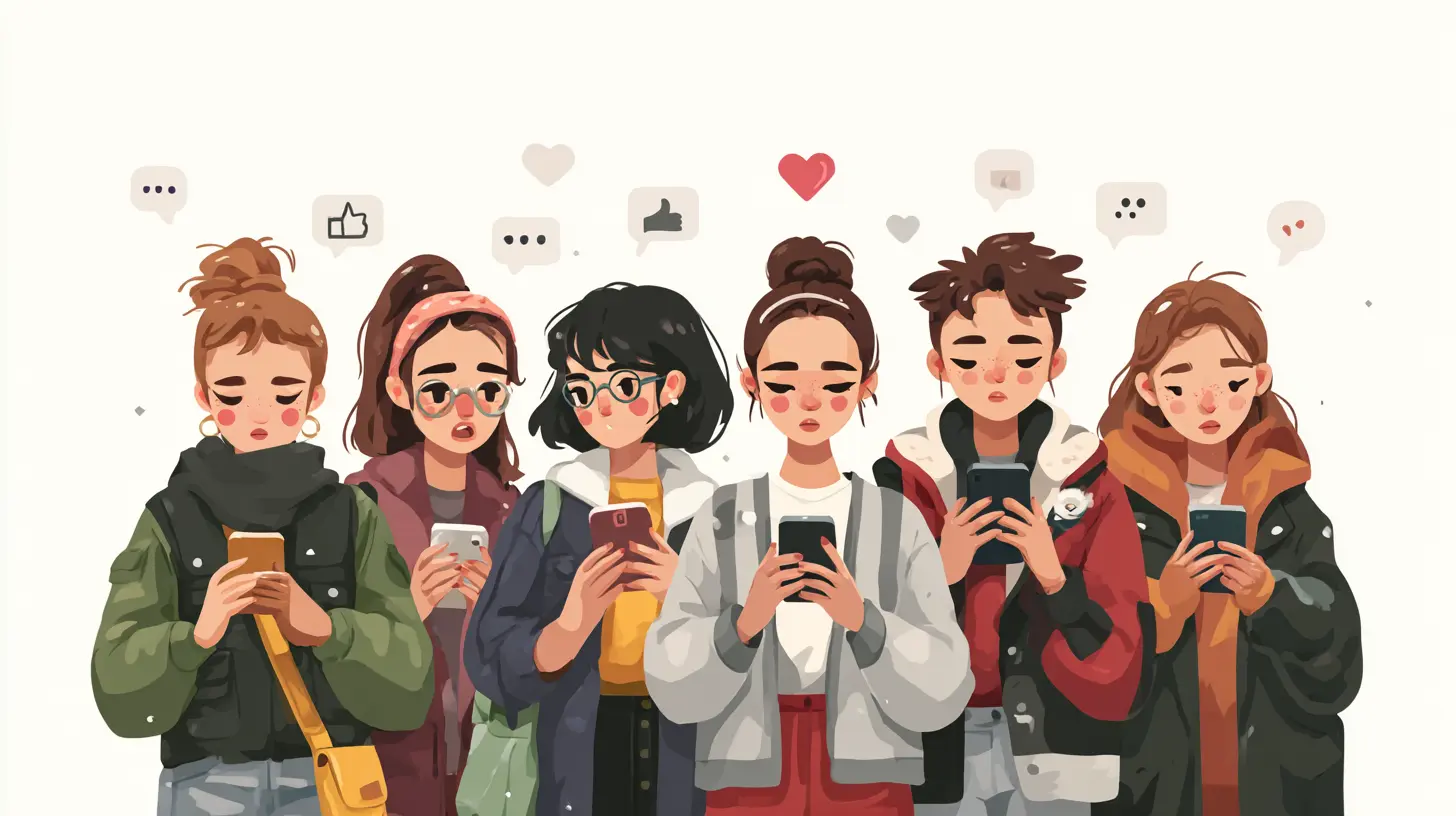
The Relationship Between Social Media and Mental Health
Before we get too deep, let’s clear one thing up: social media isn’t all bad. In fact, it has some pretty amazing perks. It helps us stay connected, find our tribe, and even express ourselves in ways that weren’t possible before. But—here’s the kicker—it also has a darker side.The relationship between social media and mental health can be a bit like a toxic friendship. It might seem fun and exciting at first, but if you’re not careful, it can suck the joy right out of you.
The Good: Social Media’s Positive Impact on Mental Health
Let’s start with the sunny side. Yep, social media can actually boost your mental health in some ways. Here are a few:1. Connection and Support
Ever joined a mental health support group on Facebook? Or followed a TikTok therapist who “just gets you”? Social media can be a lifeline for people who feel isolated or misunderstood.It helps people:
- Find support communities
- Share their struggles without judgment
- Get inspired by others’ mental health journeys
Social media can normalize mental health conversations. And that’s huge.
2. Self-Expression and Creativity
From art pages to funny skits and personal blogs, social media gives us a blank canvas. Especially for teens and young adults, these platforms are an outlet for self-expression. It’s like having a digital diary that talks back.Creativity is good for the brain. It boosts mood, reduces anxiety, and encourages self-awareness.
3. Access to Mental Health Resources
Need a quick grounding exercise for your anxiety? Or maybe a list of therapists in your area? Social media is brimming with accessible, digestible content that educates and empowers.
The Ugly Truth: How Social Media Can Harm Mental Health
Okay, time for the other side of the coin. The one we all secretly know exists but try to ignore—because, hey, who wants to admit their daily scroll is messing with their head?1. Social Comparison: The Thief of Joy
You’re lounging in your messy room while someone else is sipping cocktails on a Bali beach. Suddenly, your life feels…meh.That’s the classic social comparison trap. Platforms like Instagram and TikTok highlight only the highlight reels. You’re not seeing the tears, the failures, or the endless “take 20” selfies.
This comparison cycle can lead to:
- Low self-esteem
- Body image issues
- Feelings of inadequacy
Your brain gets tricked into thinking everyone else has it better—even when you logically know it's not true.
2. Doomscrolling and Anxiety Overload
Ever found yourself mindlessly scrolling through bad news, negative headlines, or heated arguments in the comments? That, my friend, is doomscrolling. And it’s terrible for your mental health.Continual exposure to negative content can:
- Heighten anxiety
- Disrupt sleep
- Lead to emotional burnout
It’s like feeding your brain a steady diet of fear and stress.
3. Addiction and Dopamine Dependence
Every like, comment, or notification gives your brain a little dopamine hit. It feels good—for a moment. But then you want more. And more.This creates a behavioral loop. You check your phone compulsively, even when you don’t want to.
Social media addiction can:
- Disrupt your daily routine
- Lower your productivity
- Increase feelings of loneliness when you’re offline
How ironic is that?
4. Sleep Disruption
Blue light from screens tells your brain: “Stay awake!” Combine that with late-night scrolling, and you’re robbing yourself of quality sleep.Lack of sleep messes with everything—your mood, focus, memory, and even appetite. No wonder you feel cranky after a night of TikTok binging.
5. Cyberbullying and Online Harassment
Let’s face it: the internet can be mean. From anonymous hate comments to toxic cancel culture, online harassment is very real—and very damaging.Victims of cyberbullying often experience:
- Depression
- Anxiety
- Social withdrawal
- Suicidal thoughts
And unfortunately, younger users are especially vulnerable to this cruelty.
Why the Algorithm Isn’t Your Friend
Let’s take a second to talk about the algorithm—the invisible puppet master that decides what you see. It’s designed to keep you engaged. That means feeding you more of what you interact with—even if it’s negative content.Watched one video about anxiety? Here's ten more. Liked a post about unrealistic beauty standards? Here's a flood of perfectly-posed influencers.
It's not there to guide you gently—it’s there to keep you stuck in a loop.
Signs Social Media Might Be Impacting Your Mental Health
So, how do you know if social media is taking a toll on your mental well-being? Watch out for these red flags:- You feel worse after scrolling
- You compare yourself constantly
- You're checking your phone obsessively
- You lose sleep because of screen time
- You feel anxious or empty when not online
- You’re experiencing FOMO (fear of missing out) regularly
If any of these hit home, it might be time for a reality check.
How to Build a Healthier Relationship With Social Media
Seriously, deleting your apps forever isn’t your only option (unless you want to, of course). You can use social media in a way that supports your mental health rather than destroys it.Let’s look at some practical ways to make that happen.
1. Curate Your Feed Like Your Mental Health Depends on It
Because it kind of does.Unfollow accounts that make you feel bad about yourself. Follow creators that uplift, educate, or make you laugh. Your feed should feel like a safe place, not a war zone.
2. Set Boundaries (Your Brain Will Thank You)
Try these:- No phones 1 hour before bed
- Use screen-time limit apps
- Schedule social media “fasts” or digital detox days
Intentional breaks help reset your brain and give you time to reconnect offline.
3. Practice Mindful Scrolling
Ask yourself: Why am I opening this app? What am I hoping to get from it?Being more mindful about your usage helps reduce mindless scrolling and increases productive engagement.
4. Talk About It
Feeling overwhelmed? Anxious? Sad after being online?Talk to someone. A friend. A therapist. Your partner. These conversations make it easier to recognize patterns, validate emotions, and find solutions.
5. Engage, Don’t Just Consume
Instead of passively scrolling, try to interact with intention. Leave a kind comment. Share something meaningful. Create over consume.Creating content gives you a sense of purpose. Consuming without engagement? Not so much.
When (and Why) You Should Consider Taking a Break
Sometimes, it’s not just about cutting down—it’s about cutting off. If scrolling is stealing too much of your peace, it’s okay to walk away.You might need a break if:
- You feel constantly anxious or down
- You’re starting to question your self-worth
- You can’t focus on tasks without checking your phone
- You’re emotionally drained after being online
Taking a break isn’t weak—it’s wise. It's like giving your brain a glass of water after days of mental dehydration.
Social Media and Teens: A Special Note for Parents
Here’s the deal. Teens are particularly vulnerable to social media's effects. Their brains are still developing, their identities are forming, and they’re under constant pressure to fit in online and offline.If you're a parent, keep communication open. Don’t just barge in with “Hey, stop using TikTok.” Instead, ask how it makes them feel. Teach them balance. Be a safe space when things get overwhelming.
Sometimes the biggest influence is not what’s online—but how you talk about it offline.
Final Thoughts: It’s All About Balance
Social media isn’t the enemy. It’s a tool—and like any tool, it can either build you up or break you down depending on how you use it.The key is balance.
Be intentional. Be aware. Take charge of your feed and your feelings. You don’t have to quit cold turkey—but you do need to protect your peace.
Your mental health is worth it.
all images in this post were generated using AI tools
Category:
Mental Health EducationAuthor:

Jenna Richardson
Discussion
rate this article
1 comments
Mindy McCray
In the digital glow, we seek connection, yet often find isolation. Likes and shares can mask our truth, drawing us deeper into curated lives. Remember, behind each screen lies a heart; nurture those bonds, for real love breathes life into our souls.
July 24, 2026 at 3:32 AM
Jenna Richardson
You nailed it. The contrast between our online presence and true connections is striking. Let's prioritize real relationships over likes.