How Our Brain Processes Risk and Uncertainty
24 December 2025
We make decisions every day—what to eat, how to get to work, whether to confront a situation or let it slide. Some choices are easy, but when risk and uncertainty come into play, things get complicated. Have you ever wondered why?
The human brain is wired to assess potential threats and rewards, but it doesn’t always get it right. Sometimes, we avoid risks that could benefit us, and other times, we dive into uncertainty without a second thought. Let’s unpack how our brains handle risk and uncertainty, and why that process isn’t always as logical as we’d like to think.

The Brain’s Built-in Risk System
Our brains have an entire network dedicated to processing risk, and several key players are involved:- The Amygdala: This is like the brain’s alarm system. It scans for threats and reacts quickly, triggering fear or anxiety when something seems risky.
- The Prefrontal Cortex: This is the voice of reason. It weighs the pros and cons and tries to make logical decisions.
- The Striatum: This region handles rewards. It helps assess what’s worth the risk and what isn’t.
These parts work together, but they don’t always agree. Sometimes, emotion takes over, and logical thinking goes out the window. Other times, we analyze a situation so much that we get stuck in indecision.
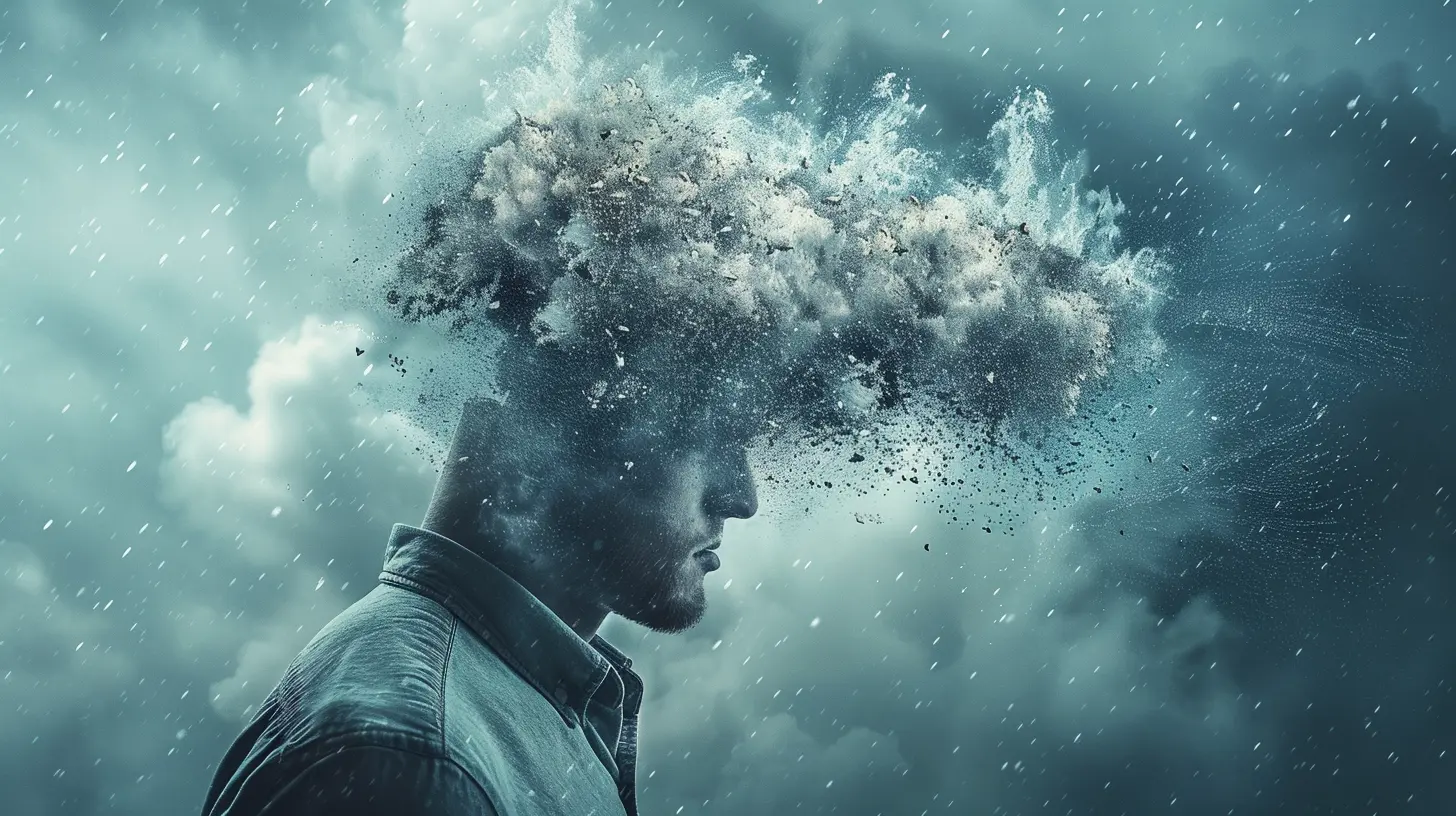
Why We Struggle with Uncertainty
Uncertainty is uncomfortable. Our brains crave predictability because it gives us a sense of control. When we don’t know what’s coming next, it triggers stress and anxiety. Why does this happen?1. Evolutionary Survival Mechanism
Our ancestors depended on certainty for survival. If they didn’t know whether food would be available tomorrow, they needed to plan ahead. This survival instinct makes us uneasy when we face uncertainty today, even in non-life-threatening situations.
2. Cognitive Biases
Our brains take shortcuts, leading to biases that affect decision-making. For example:
- Loss Aversion: We fear losing more than we value gaining. This explains why people hesitate to invest money or take career risks.
- Optimism Bias: We sometimes believe things will work out better than they actually will, leading to risky behavior.
3. Fear of Being Wrong
No one likes making a bad decision. The fear of choosing the wrong path can make uncertainty feel paralyzing. This is why some people struggle with major life decisions like changing jobs, ending relationships, or making financial investments.
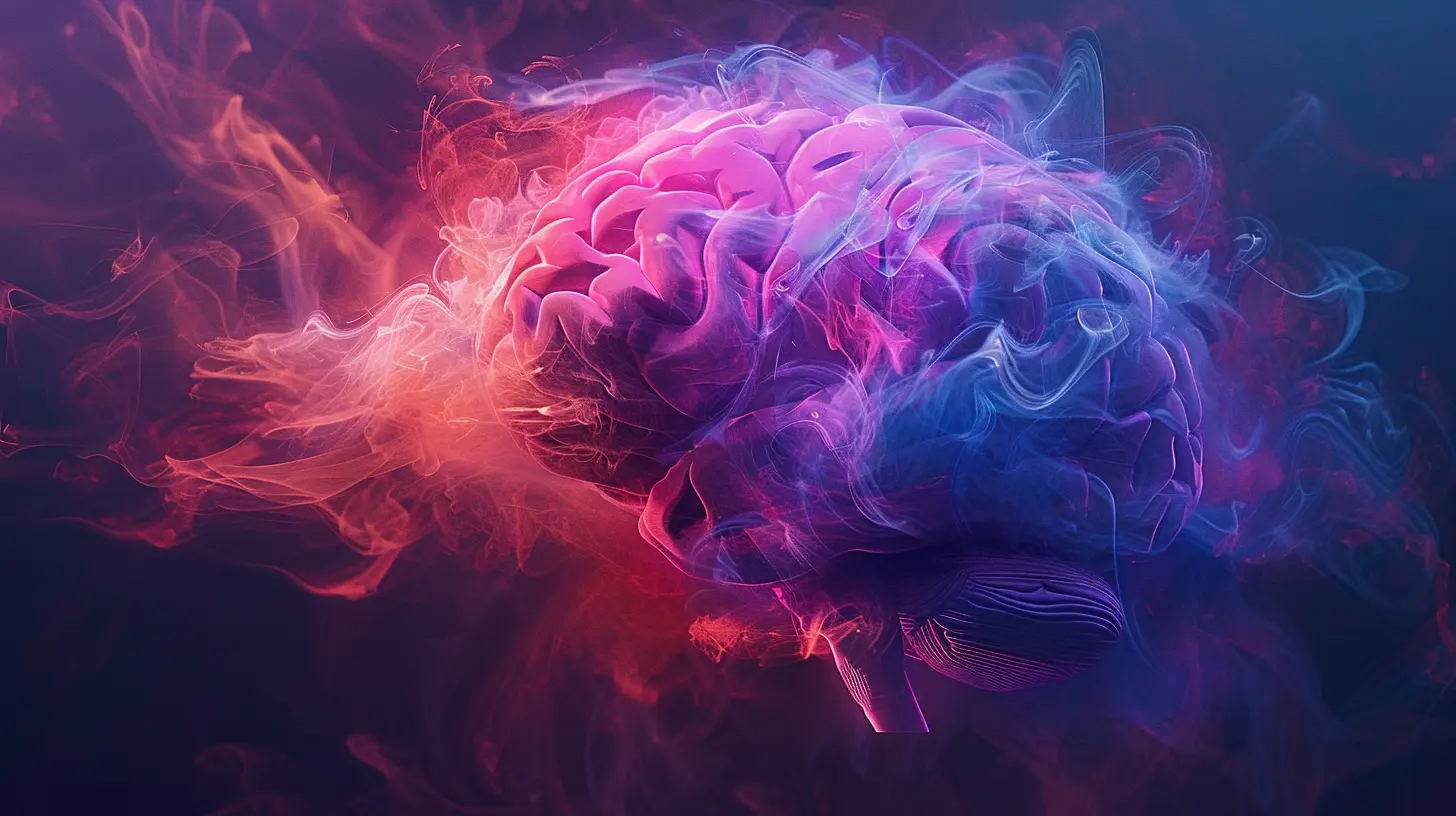
How Our Brain Reacts to Risky Decisions
When faced with risk, the brain undergoes a rapid-fire process:1. Spotting the Risk – The amygdala identifies potential danger.
2. Analyzing the Situation – The prefrontal cortex steps in to calculate probabilities and outcomes.
3. Weighing the Reward – The striatum evaluates if the potential reward is worth the risk.
4. Making the Choice – The brain sends signals to act or retreat.
This process happens quickly, often without us realizing it. But here’s the catch—our emotions frequently interfere, influencing our choices in unpredictable ways.

The Role of Emotion in Risk Assessment
We’d like to think we’re purely logical when making decisions, but emotions play a massive role. Fear, excitement, anxiety, and even past experiences shape how we perceive risk.- Fear: If we’ve failed before, fear of failure makes us overly cautious.
- Excitement: A potential reward can cloud judgment, making us take bigger risks.
- Stress: High stress levels impair decision-making, leading to impulsive choices.
That’s why some people take wild financial risks after winning big, while others avoid investing altogether due to a past loss. It’s not just about logic—it’s about how we feel when faced with uncertainty.
Why Some People Handle Risk Better Than Others
Ever notice that some people seem fearless while others hesitate over every decision? That’s because risk tolerance varies from person to person. Factors that influence this include:- Genetics: Some people are naturally more inclined to take risks due to their brain chemistry.
- Personality: Thrill-seekers are more likely to embrace uncertainty, while cautious individuals prefer stability.
- Experience: Past successes and failures shape how comfortable we are with risk.
- Upbringing: If you were raised in an environment that encouraged risk-taking, you’re more likely to embrace challenges.
It’s not that one approach is better than the other—it’s about understanding how your brain responds and finding a balance between caution and courage.
How to Make Better Decisions in Uncertain Situations
Since we can’t eliminate uncertainty from life, learning how to navigate it can make a huge difference. Here are some strategies to sharpen your decision-making:1. Acknowledge Your Biases – Recognize when fear or optimism might be clouding your judgment.
2. Gather Information – The more you know, the easier it is for your brain to make a rational decision.
3. Weigh the Worst-Case Scenario – Ask yourself, “What’s the worst that could happen?” Often, the fear of risk is worse than the actual outcome.
4. Use Small Steps – Instead of leaping into the unknown, take smaller, calculated risks to build confidence.
5. Trust Your Gut (But Not Blindly) – Intuition is valuable, but always balance it with logic.
Final Thoughts
Risk and uncertainty are a part of life, and our brains are wired to navigate them, often in unpredictable ways. Sometimes we act cautiously, other times we throw caution to the wind, and a lot of it depends on emotions, past experiences, and even biology.Understanding how your brain processes risk can help you make smarter, more confident choices. Instead of fearing uncertainty, why not embrace it? After all, some of life’s best opportunities come from taking a leap into the unknown.
all images in this post were generated using AI tools
Category:
Human BehaviorAuthor:

Jenna Richardson
Discussion
rate this article
2 comments
Ivory Baxter
Great insights! Understanding risk and uncertainty is crucial for better decision-making.
January 29, 2026 at 4:30 PM
Jenna Richardson
Thank you! I'm glad you found the insights valuable. Understanding how our brain processes risk truly enhances our decision-making skills.
Nellie Barlow
Understanding how our brain navigates risk and uncertainty empowers us to embrace life's challenges. By recognizing our innate ability to adapt and learn, we can transform fear into opportunity. Let’s cultivate resilience, trust our intuition, and step boldly into the unknown. Every risk taken is a chance to grow!
December 27, 2025 at 4:46 AM
Jenna Richardson
I completely agree. Embracing risk is essential for growth, and our brain's ability to adapt is key. Let's keep exploring how we can turn challenges into opportunities.