How Nature and Green Spaces Enhance Mental Well-Being
10 May 2026
Let’s be real — life gets hectic. Between work, family responsibilities, relationship drama, and that constant digital overload, our mental space often takes a beating. It’s no wonder anxiety, depression, and burnout are on the rise. But here’s something refreshingly simple and effective that often gets overlooked: nature.
Yep, Mother Earth may just be the best therapist you never booked an appointment with. Research continues to show a strong link between spending time in green spaces and improved mental well-being. Let's dig into why stepping outside might just be the key to stepping into a healthier headspace.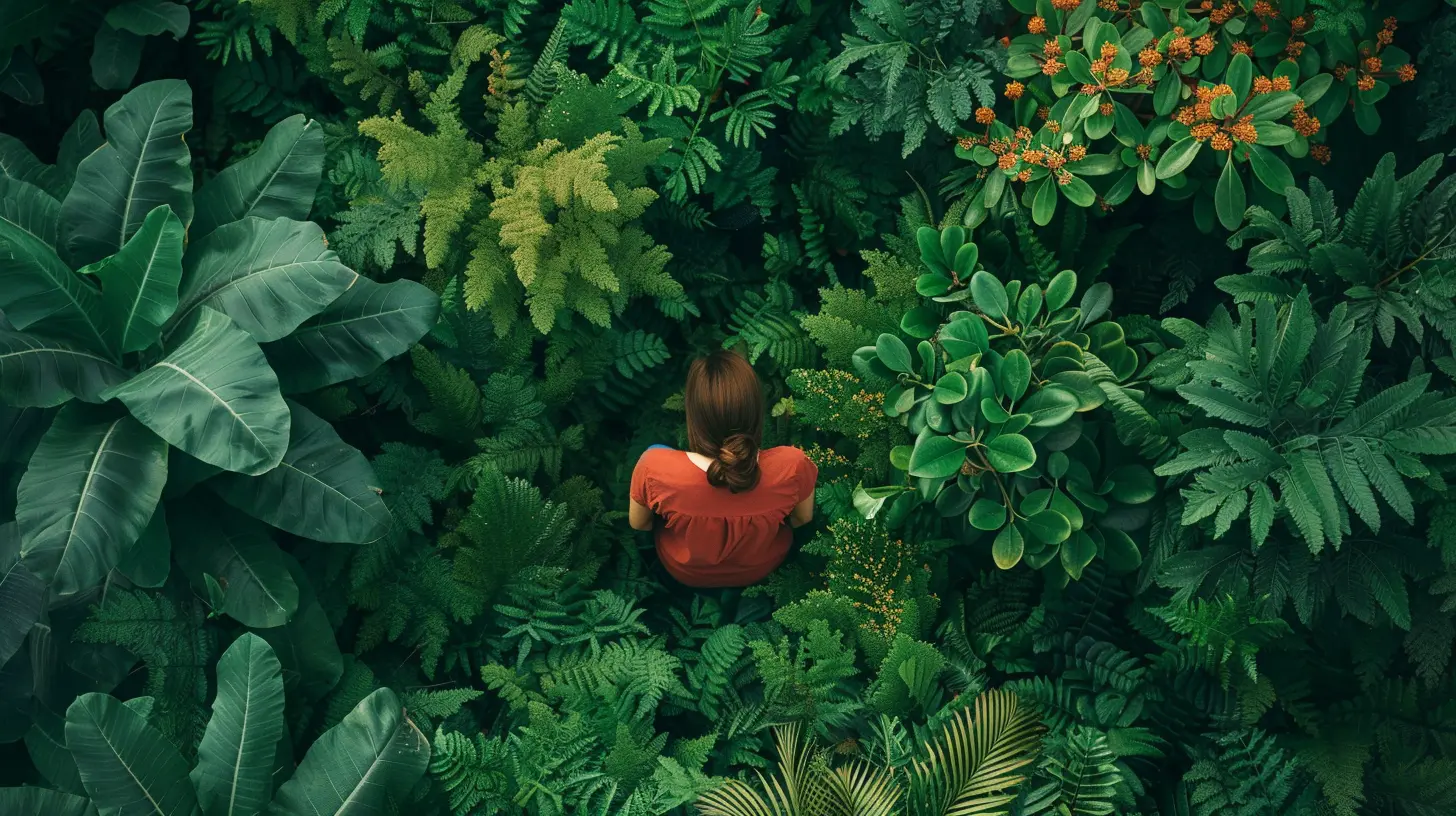
Why Green Spaces Matter More Than You Think
Ever notice how just a short walk in the park can leave you feeling lighter? That’s not a coincidence. Nature has this quiet way of pressing the "reset" button in our brain. It’s like a natural detox for our thoughts.Green spaces — think parks, forests, gardens, even tree-lined streets — offer mental relief in a world that rarely pauses. They're not just backdrops for Instagram-worthy photos; they’re essential for emotional and psychological balance.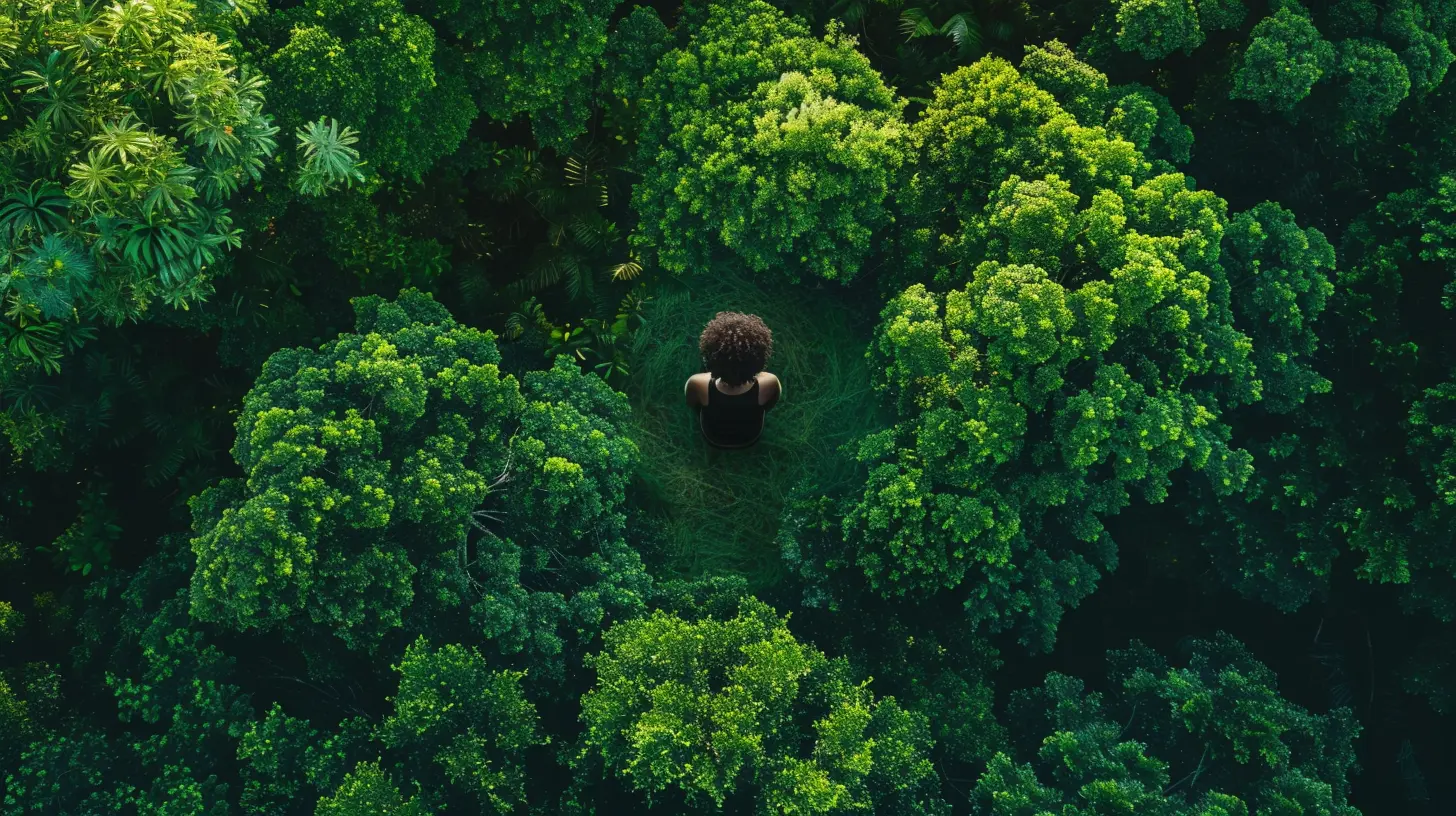
The Science Behind Nature’s Healing Powers
Let’s get nerdy for a second — in a fun way.1. Lower Cortisol Levels
Cortisol is your body's main stress hormone. When you’re stuck in traffic, facing deadlines, or doom-scrolling on your phone, your cortisol levels spike. But studies have shown that just 20 minutes in a green space can lower cortisol levels significantly. That’s less time than an episode of your favorite Netflix show.2. Reduced Activity in the Prefrontal Cortex
The prefrontal cortex is the part of your brain involved in rumination — you know, the endless loop of overthinking and replaying awkward moments from five years ago? Time spent in nature reduces blood flow to this area, calming the mental noise and making space for clarity.3. Boost in Serotonin and Dopamine
These are your feel-good neurotransmitters. You don’t need a prescription or a pile of self-help books to feel better sometimes — just a brisk walk through a leafy trail can naturally boost your mood.
How Nature Impacts Mental Health Conditions
Nature isn’t a cure-all, but it sure does help manage symptoms. Let's look at a few common conditions:Depression
People struggling with depression often find it hard to break out of negative thought patterns. Nature distracts the mind in the best way. It requires minimal effort and offers maximum return — birds chirping, leaves rustling, soft sunlight — it’s sensory therapy at its finest.Practices like "ecotherapy" and "green exercise" (working out in nature) have been linked to reduced depressive symptoms and improved focus. It's not magic; it's biology.
Anxiety
When your mind is constantly buzzing, nature acts like a mental mute button. The gentle, repetitive patterns in nature — like ocean waves or rustling trees — are grounding. This predictability helps calm an anxious brain that’s wired to anticipate danger.ADHD
Natural settings help improve concentration in children and adults with ADHD. It's what researchers call the “restorative effect” of nature — allowing overloaded brains to reset and refocus. Kind of like how your phone runs faster after a restart.
Urban Living vs. Access to Greenery
City life has its perks — there’s energy, convenience, and let’s not forget the food. But it also has downsides: traffic noise, pollution, and an overwhelming pace. Urban environments are fast-paced and overstimulating, which can wear out our mental resources.Here’s where green spaces come in. Studies show people who live near parks or tree-lined neighborhoods report lower stress and enhanced life satisfaction. It’s not just about aesthetics — it’s about access to brain-friendly environments that restore mental energy.
Nature and Brain Function: What’s Really Going On Inside?
Let’s zoom into your brain for a moment. When you engage with nature, several key areas light up:The Amygdala Calms Down
The amygdala is the part of your brain responsible for detecting fear and preparing for emergencies. Nature tones it down, reducing reactivity and promoting a sense of safety.The Hippocampus Gets a Boost
This region is involved in memory and emotion. Exposure to green environments enhances memory function and emotional regulation. That’s why you often feel more “clear-headed” after a walk in the woods.The Default Mode Network (DMN) Resets
The DMN is active when your mind wanders or daydreams. Nature encourages healthy patterns in this network, allowing for creative thinking and introspection without spiraling into worry.How Much Nature Do You Really Need?
Good news — you don’t need to live in a cabin in the woods to reap the benefits. The goal is consistency, not intensity.Here’s a rough guide:
- 20–30 minutes a day in green spaces improves stress levels.- 2 hours a week of nature exposure increases overall well-being.
- 3+ hours a week shows significant mental health improvements.
It can be a walk in the park, gardening in your backyard, or just sitting under a tree during lunch. Every little bit helps.
Nature as a Mindfulness Tool
Want to supercharge the effects of nature? Pair it with mindfulness.Mindful walking, forest bathing (a Japanese practice called Shinrin-yoku), or simply sitting still and observing your surroundings can deepen your connection to the present moment. It's like your brain takes a deep breath and finally relaxes.
Pay attention to the textures of leaves, the sound of birds, or the feeling of the sun on your skin. It grounds you, pulling you away from future worries or past regrets.
The Role of Nature in Social Connection
Let’s face it — loneliness is a major contributor to mental health issues. Green spaces naturally bring people together. Whether it’s dog walkers exchanging hellos, parents chatting at the playground, or communities coming together for a picnic, nature provides a social stage to connect without the pressure.And when you feel connected to others, your sense of belonging — and mental well-being — strengthens.
Digital Detox: Nature Vs. Screens
Screen fatigue is real. On average, adults spend over 10 hours a day on screens. That kind of digital saturation leads to fragmented attention, fatigue, and emotional exhaustion.Nature is the antidote. It doesn’t demand attention like a scrolling feed. Instead, it invites you to be present. Replacing even 30 minutes of screen time with a walk outside can drastically improve mood, creativity, and energy levels.
Your brain isn’t meant to process pop-ups, alerts, and endless tabs 24/7. Give it a break — let it wander somewhere green.
Tips to Get More Nature in Your Life
You don’t have to plan a wilderness hike every weekend to connect with nature. Start small. Here are a few doable ideas:- Lunch Outside – Trade your desk for a sunny bench or a patch of grass.
- Commute Differently – Walk or bike through a park if possible.
- Bring Nature Indoors – Add some houseplants. Even indoor greenery boosts mood.
- Weekend Rituals – Plan a weekly park visit or hike.
- Unplug Regularly – Take tech-free walks and let your senses take over.
Final Thoughts
Nature isn’t just a pretty backdrop for your selfies — it’s a profoundly powerful tool for mental health. At a time when stress, anxiety, and disconnection are at an all-time high, green spaces offer an accessible, affordable, and effective solution.So next time you feel mentally drained, put your phone down, step outside, and let the rustle of leaves remind you: healing doesn’t always come in a capsule or a calendar event. Sometimes, it's as simple as sitting under a tree and just... being.
all images in this post were generated using AI tools
Category:
Mental Health EducationAuthor:

Jenna Richardson
Discussion
rate this article
1 comments
Kira Wheeler
This article captures the essence of how nature impacts our mental health. It's refreshing to see research support simple moments outdoors. Just a walk in the park can truly uplift our spirits.
May 22, 2026 at 4:46 PM
Jenna Richardson
Thank you! I'm glad you found it uplifting. Nature really does have a profound effect on our well-being.