How Mindfulness Will Revolutionize Mental Health by 2026
17 April 2026
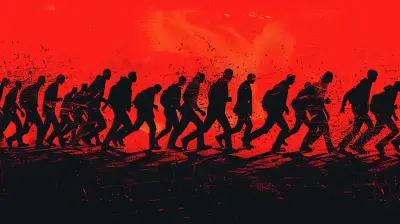
Let’s be honest for a second. Our modern world feels like it’s moving at the speed of a runaway train. Notifications ping, deadlines loom, and the news cycle is a constant drumbeat of urgency. Our minds, brilliant as they are, weren’t built for this. It’s no wonder we’re seeing a global mental health crisis, with anxiety and burnout feeling less like disorders and more like the default setting. But what if I told you that one of the oldest tools for the human mind is poised to become its most revolutionary savior by 2026? I’m talking about mindfulness.
And no, I don’t mean just sitting cross-legged on a cushion (though that’s great, too). I mean a fundamental shift in how we relate to our own thoughts and feelings. By 2026, mindfulness won't be a niche wellness trend; it will be the bedrock of a new mental health paradigm. It will be woven into the fabric of our healthcare, our schools, our workplaces, and our daily lives. This isn't wishful thinking—it's where the science, the technology, and the cultural demand are all heading. Let's explore how.

From the Cushion to the Clinic: The Science Solidifies
First, we need to move past the idea that mindfulness is just "feeling calm." It’s so much more. At its core, mindfulness is the practice of paying attention to the present moment, on purpose, and without judgment. It’s about becoming the observer of your own mental weather, rather than being swept away by the storm.Think of your mind as a browser with 100 tabs open. Some are playing music, some are frozen, and a few are flashing warning signs. Mindfulness is the process of calmly looking at each tab, seeing what it is, and deciding if you need to engage with it or simply close it. This simple act of noticing is where the revolution begins.
By 2026, the evidence base for mindfulness will be so robust and specific that doctors will "prescribe" it with the same confidence as they do medication for certain conditions. We’re already seeing this. Studies using fMRI scans show that regular mindfulness practice physically changes the brain—it thickens the prefrontal cortex (our rational, decision-making center) and shrinks the amygdala (our fear and alarm center). It’s like doing bicep curls for your brain’s calmness muscle.
The revolution will be in personalization. We won’t just have "mindfulness for depression." We’ll have specific protocols: 12 minutes of body-scan meditation for generalized anxiety, loving-kindness practice for social isolation, mindful breathing for acute panic symptoms. It will become a targeted, evidence-based intervention, moving from complementary to central in treatment plans.
The Tech-Enabled Mind: Apps, Wearables, and Biofeedback
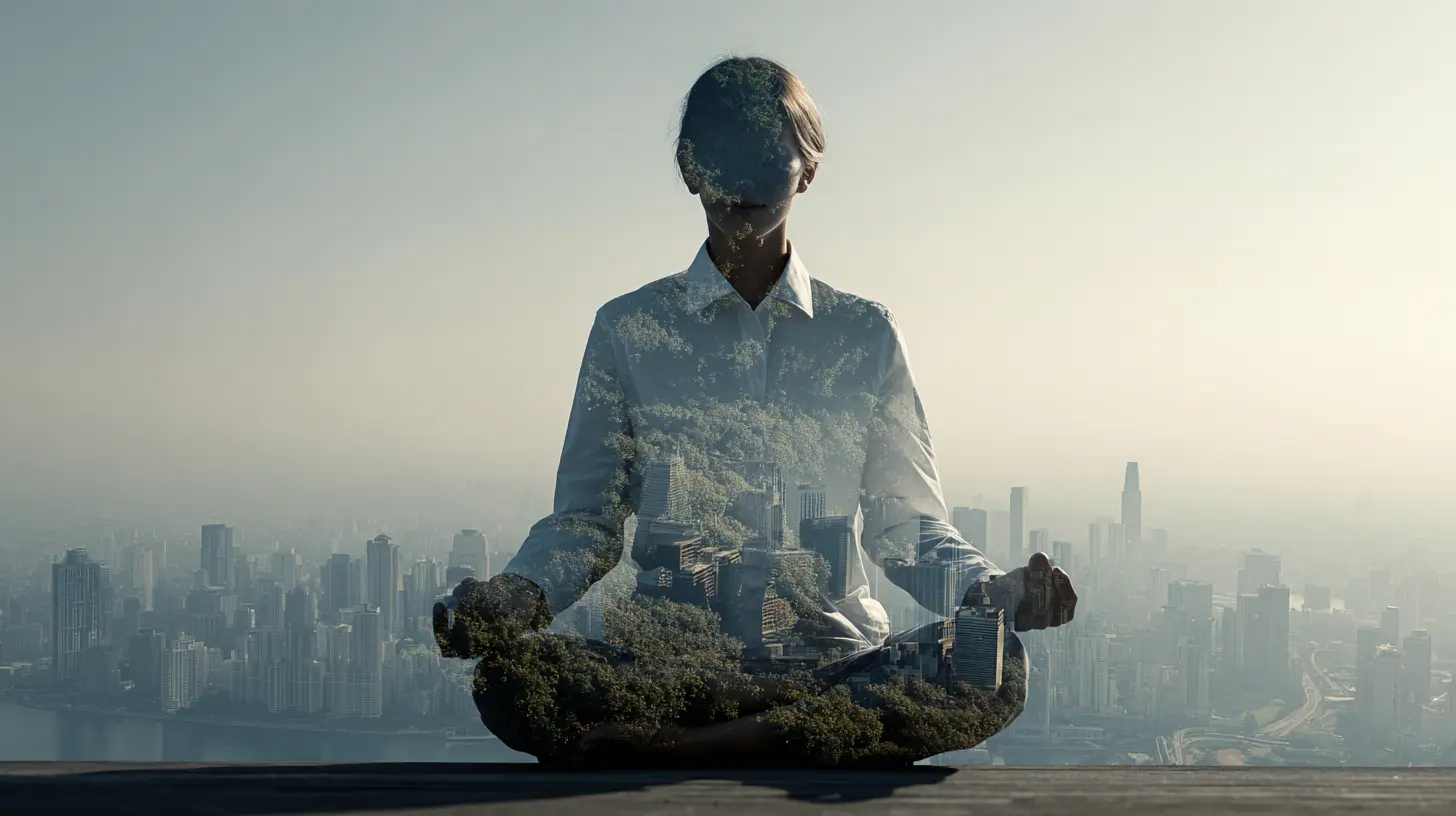
Now, here’s where it gets really interesting. The biggest barrier to mindfulness has always been consistency. We know it’s good for us, but sitting down to do it? That’s hard. Technology, often the source of our distraction, is about to become our greatest ally in overcoming it.By 2026, mindfulness apps will evolve far beyond guided audio tracks. Imagine a wearable device that detects the early physiological signs of your stress response—a slight increase in heart rate variability, a change in skin conductance—before you even consciously feel anxious. It then gives you a gentle, haptic nudge on your wrist. A glance at your watch shows a simple, one-word prompt: "Anchor." You know this is your cue to take three conscious breaths, feeling your feet on the floor. The app then logs this episode, learns your patterns, and helps you see what triggers your stress.
This is biofeedback on steroids, and it makes mindfulness moment-to-moment and actionable. Virtual Reality (VR) will offer immersive environments for meditation—practicing public speaking mindfulness in a virtual auditorium, or calming social anxiety in a simulated party. These tools will democratize and de-stigmatize practice, making it as accessible and data-driven as tracking your daily steps.

Mindfulness in the Wild: Work, School, and Social Life
The true revolution won’t be confined to therapists' offices or smartphones. It will be in the spaces where our mental health is most challenged.The Workplace: By 2026, "mindful leadership" will be a core competency, not a buzzword. Companies will realize that a burned-out, overwhelmed employee is not a productive one. We’ll see meeting formats change—starting with two minutes of collective silence to arrive and focus. Mindfulness zones will replace (or complement) the foosball table. Performance reviews will include metrics on sustainable focus and emotional regulation. Why? Because it boosts creativity, collaboration, and resilience. It’s simply good business.
Education: This might be the most impactful shift. Imagine a generation of kids who, instead of being told to "sit still and pay attention," are taught how to pay attention. Short, age-appropriate mindfulness practices will be as standard as math or reading. A kindergarten teacher might ring a bell and have students simply listen to the sound until it fades. A high school class might start with a mindful minute to settle the chaos of hallway transitions.
These children will grow up with an internal toolkit. They’ll know how to notice when they’re getting frustrated with a math problem and take a breath. They’ll have the language to describe their emotions. They’ll be less reactive to social drama. We are literally planting the seeds for a more emotionally intelligent, less anxious future society.
Social Fabric: Mindfulness fosters empathy and deep listening. In a world of hot takes and divisive comments, the practice of pausing before reacting will become a social superpower. Mindful communication courses might become as common as cooking classes. We’ll start to value the quality of our conversations over the quantity of our connections.
Facing the Challenges: Accessibility and Authenticity
Of course, no revolution is without its hurdles. For mindfulness to truly revolutionize mental health, it must be accessible to all, not just a privileged few. The wellness industry has a knack for gentrifying ancient practices. By 2026, the push must be towards community-based programs, integration into public health systems, and training a diverse cohort of teachers who reflect the communities they serve.Furthermore, we must guard against "McMindfulness"—the shallow, quick-fix version that ignores the deeper ethical and compassionate foundations of the practice. True mindfulness isn’t about being calm so you can work harder until you burn out. It’s about seeing clearly so you can live wisely and with kindness to yourself and others. The revolution will be led by those who emphasize this depth.
The Tipping Point: A Culture of Inner Awareness
So, what will the world look like in 2026 if this revolution takes hold?It won’t be a planet of silent, serene zombies. It will be a world where people have a healthier relationship with their own minds. We will collectively understand that mental health isn’t about the absence of negative thoughts or feelings—it’s about the ability to navigate them without drowning in them.
We’ll see a reduction in the stigma around mental struggle, because everyone will have a shared language and practice for dealing with their inner world. Seeking a therapist or a mindfulness teacher will be as normal as seeing a personal trainer for your physical health. The line between "mental healthcare" and "daily self-care" will beautifully blur.
The revolution is a quiet one. It doesn’t shout; it whispers. It asks us to pause, to feel, to notice. It’s the radical act of turning down the noise of the world to hear the wisdom of your own being. By 2026, this won’t be seen as a luxury or an esoteric hobby. It will be recognized for what it is: the essential foundation for a sane, healthy, and compassionate human life. The train of modern life isn’t going to slow down. But with mindfulness, we won’t need it to. We’ll learn how to stand steady on the moving platform, perfectly balanced, watching the scenery go by without losing our footing.
all images in this post were generated using AI tools
Category:
Mindfulness PracticesAuthor:

Jenna Richardson
Discussion
rate this article
2 comments
Rayna McMahon
I'm intrigued by the potential of mindfulness in mental health. What specific changes do you foresee happening by 2026?
September 9, 2026 at 2:42 PM
Zaylee McLean
Thank you for sharing these insights! Mindfulness truly has the potential to transform mental health.
April 27, 2026 at 3:39 AM
Jenna Richardson
I'm glad you found it helpful! Mindfulness can really make a difference in mental health.