How Group Therapy Helps Manage Anger and Aggression
19 August 2026
Let’s talk about anger—yeah, that powerful, fiery emotion that can make your heart race, your palms sweat, and your voice go up a few decibels. We’ve all felt it. But when anger crosses the line into uncontrolled aggression or starts messing with your relationships, your job, or your peace of mind, it’s time to do something about it.
That’s where group therapy steps in, like a team sport for your emotions. It’s not just you venting to a bunch of strangers—it's a structured, supportive environment where real healing happens. Let's dive into how group therapy helps manage anger and aggression. Stick with me, this might just change how you look at managing emotions forever.
What Exactly Is Group Therapy?
Before we jump into the nitty-gritty, let’s get clear on what group therapy actually is. Think of it as a small gathering of individuals, usually led by a licensed therapist, where everyone shares and learns from each other’s emotional experiences. It’s structured, confidential, and designed to help people grow.Unlike one-on-one therapy, you’re not alone here. You’re sitting with other people who are going through similar struggles—people who get it.
And no, it’s not like in the movies where everyone just sits in a circle and shouts at each other. It’s usually well-organized and led by a professional who knows how to keep things productive and safe.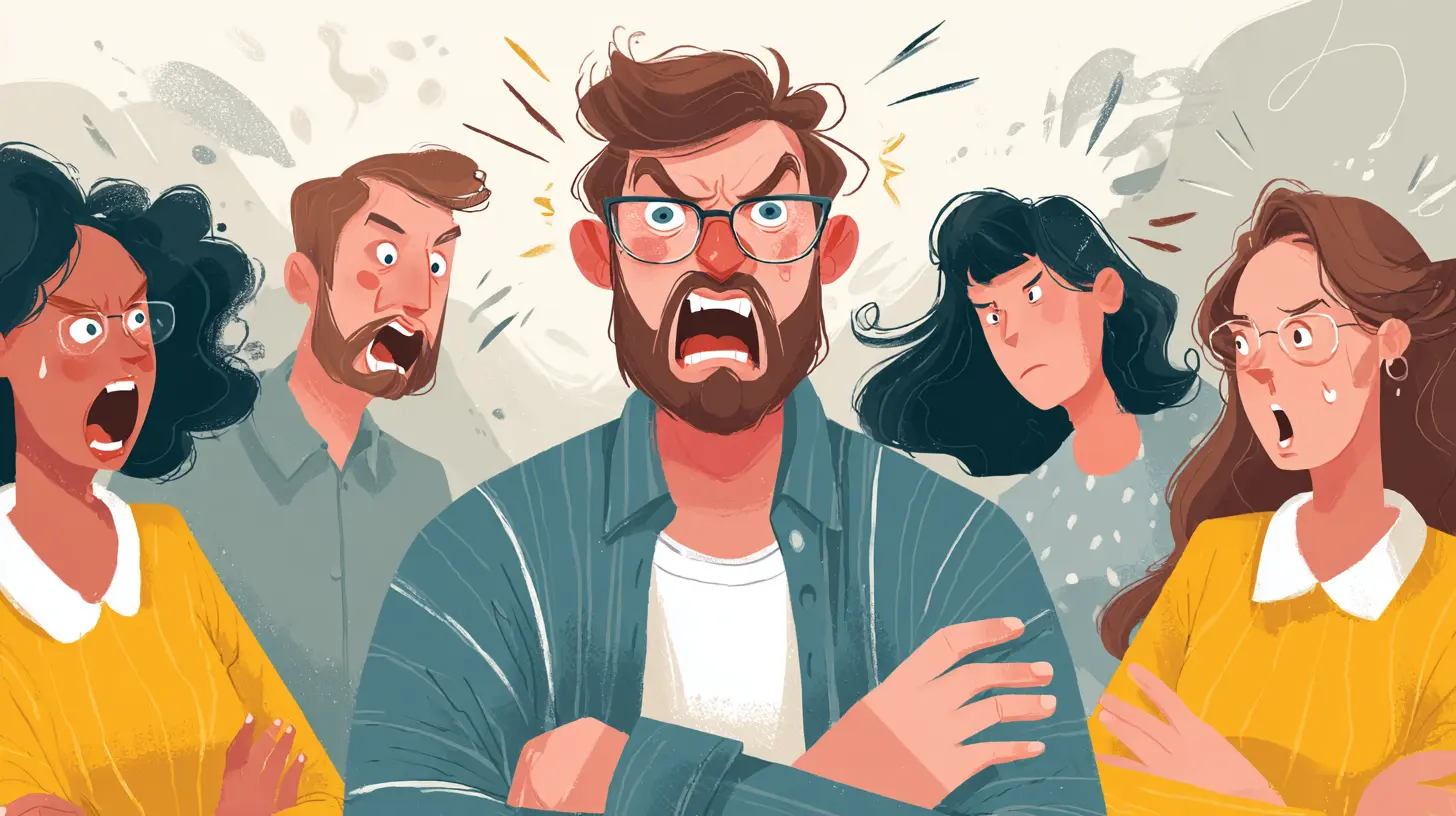
Why Anger and Aggression Need More Than Just Willpower
Let’s be honest—just telling yourself to "calm down" rarely works when you're mad, right? That’s because anger isn’t just a surface-level emotion; it’s often the tip of the iceberg.Underneath that anger might be sadness, fear, hurt, frustration, humiliation, or even shame. You can’t always see it, but it’s there, brewing. And when we don’t deal with those underlying emotions? Boom. We explode.
Aggression is what happens when anger gets out of control. It can be verbal (snapping, yelling), emotional (shutting down, withdrawing), or physical (fights, breaking stuff). When it gets to this stage, we’re no longer thinking clearly. Relationships crumble. Guilt sets in. It becomes a cycle.
Group therapy helps break this cycle—and not just with talk. With tools, strategies, and real-life practice.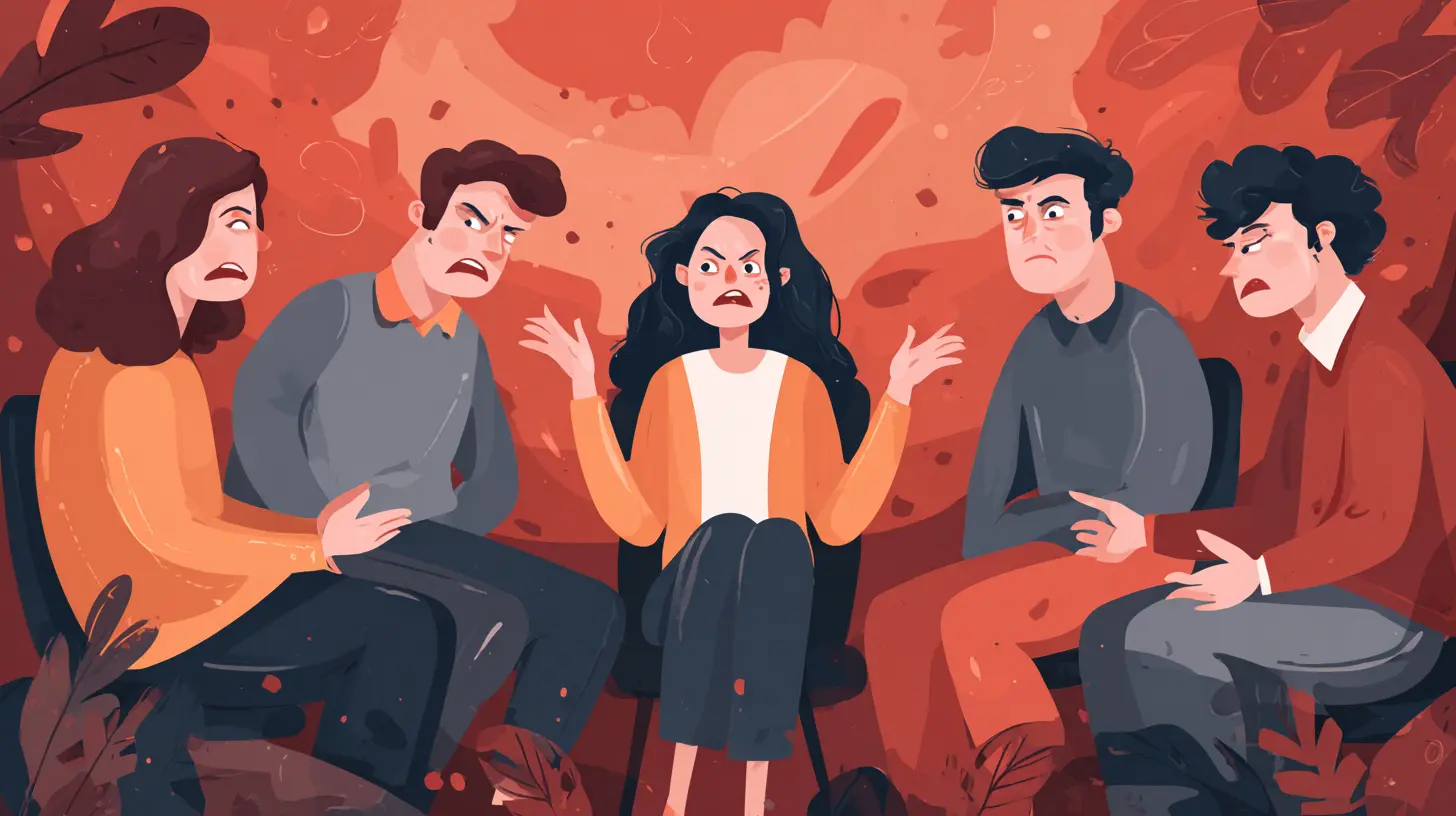
How Group Therapy Works for Anger Management
So, how does group therapy actually help someone with anger issues? What makes it different? Here’s how:1. You’re Not Alone: Validation and Support
One of the most powerful things about group therapy is realizing you're not the only one who loses their temper or struggles with aggression.When you hear someone else describe a meltdown that sounds eerily like yours? It hits different. You stop judging yourself so harshly. You begin to think, “Okay, this is a thing people go through. I can handle this too.”
This sense of validation reduces shame—a huge roadblock to healing.
2. Learning From Real People in Real Time
Unlike reading a book or watching a YouTube video, group therapy puts you in a room with people who are actively figuring out how to manage their anger.You see what works for them. You hear their setbacks. You exchange coping strategies. You even get to role-play different situations to try out new approaches in a safe way.
It’s like practicing martial arts; you don’t just watch, you spar with a partner to get better.
3. Guidance from a Pro
A trained therapist running a group isn’t just there to listen. They help you connect the dots between your triggers, your behavior, and your thoughts.They teach skills like:
- Recognizing early warning signs of anger
- Using breathing or grounding techniques to stay calm
- Communicating assertively instead of aggressively
- Reframing negative thoughts
It's more than talk—it's training for your emotional life.
4. Building Emotional Intelligence
Wait, what? Emotional intelligence? Yes, this is a game-changer.Emotional intelligence is the ability to recognize your own emotions, understand what they mean, and manage them effectively. Group therapy gives you the space to build this skill.
You start to catch yourself before blowing up. You learn to express yourself without causing damage. You become the calm in the storm.
And guess what? That spills over into your relationships, your job, your parenting, and even your self-esteem.
Group Dynamics: Why They Help
Let’s get into some social psychology for a second. Being part of a group taps into something primal in us: our need to belong. And when we feel we belong, guess what happens?We care more. We listen more. And we reflect more.
Here’s why that matters:
Peer Feedback Hits Different
When someone in your group calls you out on a pattern—lovingly, of course—it hits harder than when your spouse or boss does. You’re not defensive; you’re open. You know it’s coming from a place of shared experience, not judgment.Role-Playing Real-Life Conflicts
Ever had an argument that played out in your head 10 times before (and after) it happened? Group therapy often uses role-playing to simulate these situations.You get to practice different responses. See what works. Adjust. Improve.
It’s like rehearsing for a play—but the play is your life.
Anger and Aggression: The Myths vs. The Truth
Let’s bust a few myths about anger while we’re here.Myth #1: Expressing Anger Means You’re Strong
Actually, it’s often a sign that you feel out of control. Real strength lies in mastering your reactions, not erupting like Mount Vesuvius.Myth #2: You Should Never Get Angry
Wrong. Anger itself isn’t "bad". It’s what you do with it that counts. Anger can fuel change. It can set boundaries. It becomes a problem when it turns destructive.Myth #3: Group Therapy Is Just Complaining
Nope, not when it's done right. Good group therapy is structured, solution-focused, and guided by evidence-based practices.What Happens in a Typical Anger Management Group?
Alright, now you’re curious. What actually happens in an anger-focused group therapy session?Expect things like:
- Check-ins: How have you handled anger this week?
- Trigger mapping: What set you off and why?
- Skill-building: Practicing new responses
- Feedback from others: With kindness and honesty
- Homework: Yep, you’ll take these tools into the real world
Sessions might happen weekly, and groups often run for 8-12 weeks. Some people attend longer because they see real results.
Benefits Beyond Anger
Here’s the thing—group therapy helps with anger, but the benefits ripple out into other areas of life too.Better Communication
You learn how to speak so others listen—and how to listen so others speak. That's gold.Improved Relationships
When you're not snapping or bottling things up, relationships tend to thrive. Friends, partners, coworkers—they all notice the change.Stress Reduction
Anger is exhausting. Putting it in check saves your nervous system a ton of stress. You might even sleep better.Increased Self-Awareness
Therapy helps you know yourself better. And when you understand your patterns, you have the power to change them.Is Group Therapy Right for You?
Group therapy isn't a magic wand, but it’s a powerful tool. If you…- Struggle to control your temper
- Feel aggressive more often than not
- Have hurt people (or yourself) with your anger
- Want to change but don’t know how
…then group therapy could be the missing piece.
It’s not about fixing you. You’re not broken. It’s about giving you better tools to handle life’s inevitable frustrations.
Tips for Getting Started
Okay, ready to give it a shot?Here’s how to get started:
1. Talk to a therapist or doctor and ask for referrals to anger management groups.
2. Look up clinics or mental health centers in your area.
3. Consider online groups if in-person isn’t your jam.
4. Be honest with yourself about why you’re joining.
5. Stick with it. Growth takes time, but it’s worth it.
Final Thoughts
Managing anger and aggression isn’t about “chilling out” or pretending you don’t get mad. It’s about taking back control so you can respond—rather than react.Group therapy offers a rare combo: professional guidance, peer support, honest feedback, and real-life practice. It’s one of the most effective (and underrated) ways to truly change how you handle your emotions.
If you’re ready to stop letting anger run the show, group therapy could be the game-changer you’ve been looking for.
Remember, your anger doesn’t define you. What you do next? That’s what really counts.
all images in this post were generated using AI tools
Category:
Group TherapyAuthor:

Jenna Richardson
Discussion
rate this article
1 comments
Flint McWhorter
Group therapy offers a safe space to share feelings, learn coping strategies, and build connections. It's a valuable support system.
September 1, 2026 at 2:59 AM
Jenna Richardson
Absolutely! Group therapy creates a supportive environment where individuals can express themselves and develop essential skills for managing anger and aggression. It's a powerful way to connect and grow together.