How Group Therapy Can Improve Communication Skills
17 January 2026
When was the last time someone really listened to you? Like, no phones, no interruptions—just ears, heart, and mind focused solely on your words?
We live in a world where communication is everywhere, yet truly being heard feels rarer than ever. Ironically, while we're glued to screens and social media, authentic human connection is slipping through our fingers. That’s where group therapy steps in—not just as a space for healing, but as a solid training ground for authentic, effective communication.
In this post, we’ll break down how group therapy doesn’t just help people work through their issues—it also fine-tunes their ability to connect, relate, and express themselves in the real world.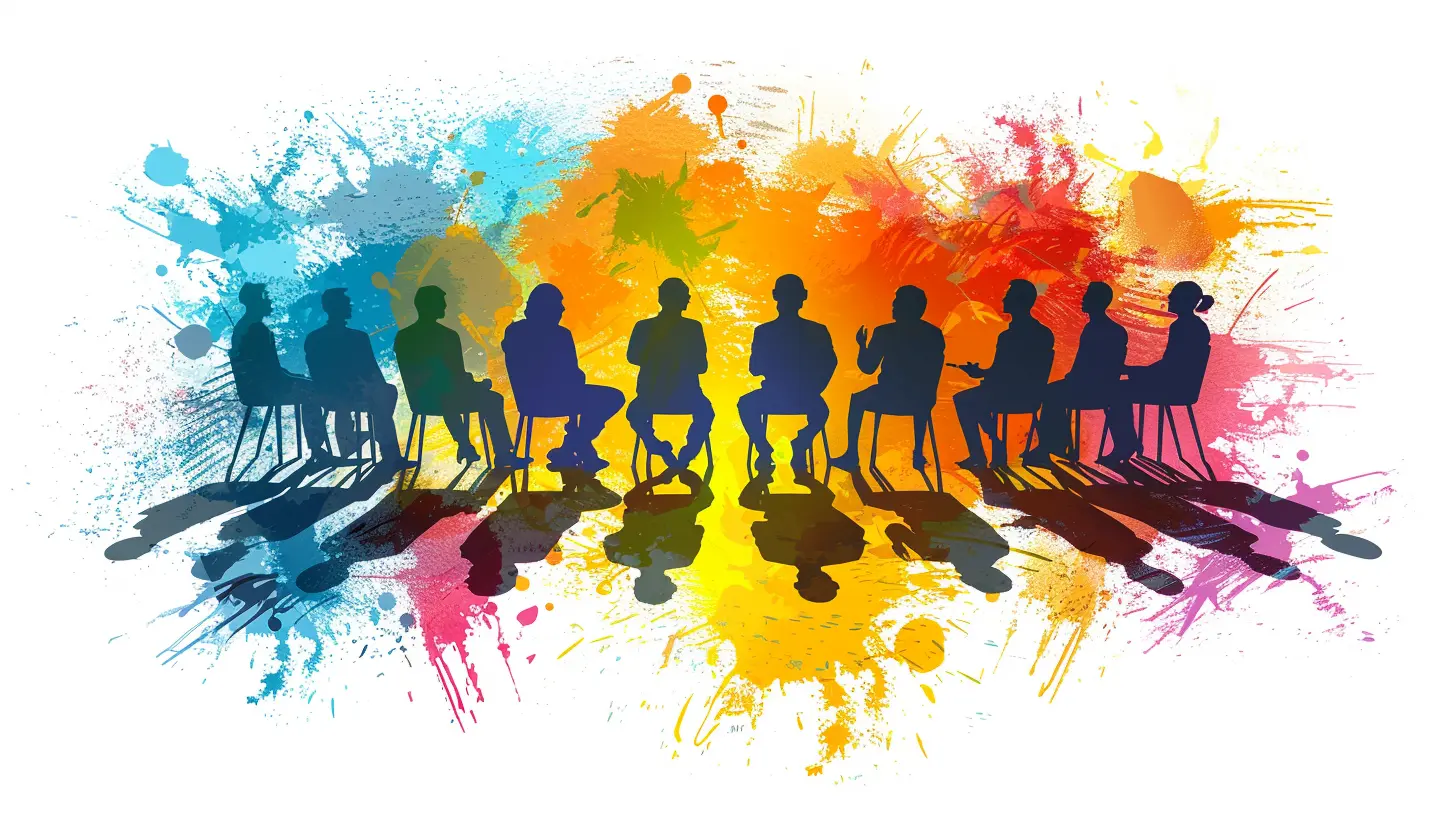
What Is Group Therapy, Anyway?
Let’s start with the basics. Group therapy is a form of psychotherapy where a small group of people—usually between 5 to 15—meet regularly with one or more trained therapists.The focus? To talk, listen, and support each other through personal challenges.
But group therapy is more than just a support circle. It’s a live, interactive setting where people learn about themselves, observe others, and most important of all—practice communication in real time.
Why Communication Skills Matter So Much
Before we dive into the “how,” let’s talk about the “why.” Communication isn’t just about exchanging words. It’s how we connect, navigate relationships, solve conflicts, and even assert our needs.Poor communication? It’s like trying to listen to someone underwater—frustrating, unclear, and isolating.
Whether it’s a romantic relationship, professional setting, or even just ordering coffee, the way we express ourselves and listen to others sets the tone for our everyday life. So imagine having a space dedicated to polishing that skill set—without judgment, with guidance, and with honest feedback.
That’s group therapy in action.
The Social Microcosm: Group Therapy as Life in Miniature
One reason group therapy is so powerful is because it acts as a social microcosm. That’s just a fancy way of saying “a small version of real life.”People bring their communication habits—good, bad, and ugly—into the group. Are you someone who tends to interrupt? Maybe you shy away from confrontation? Or use humor to avoid deeper emotion?
Whatever patterns you have, they show up in group therapy. And guess what? That’s a good thing.
In this mini-community, you get to see how others react to you. You get real-time, honest feedback (in a safe environment) about how you come across. It's like holding up a mirror to your communication style—and finally cleaning the fog off.
Building Emotional Vocabulary
Ever feel like you know what you’re feeling, but you just don’t have the words to express it?You're not alone. Many people struggle with emotional vocabulary—they feel something intense, but can’t quite pin it down. This is where group therapy helps.
In these sessions, you hear others share openly about their emotions. They might say something like:
- “I felt dismissed when no one acknowledged my idea.”
- “I was anxious speaking up, but I’m glad I did.”
- “It upset me when I was interrupted.”
Hearing others label their emotions out loud helps you expand your own emotional dictionary. And once you’ve got the words, expressing yourself gets a lot easier.
Learning To Listen—Really Listen
Let’s be honest—most of us aren’t great listeners. We’re often just waiting for our turn to talk. But group therapy teaches a different kind of listening: active, empathetic, and present.You’re often required to tune in, not just with your ears, but with your entire being. You observe body language, tone, and even what’s left unsaid. And when it’s your turn to speak, you begin to understand the power of being heard.
The beauty of this back-and-forth? You start to model your own listening and speaking habits after the group’s best practices. It’s social learning at its finest.
Getting Comfortable with Vulnerability
Let’s face it—opening up in a group setting? Terrifying. But also, unbelievably freeing.Group therapy gives you controlled exposure to vulnerability. It teaches you that being honest about your feelings doesn’t make you weak—it makes you human. And it gives others permission to do the same.
Over time, as trust builds, people start to share deeper truths. And when others respond with empathy and warmth, you begin to internalize a powerful lesson:
> Vulnerability is the root of real communication.
Once you get comfortable with that, your interactions in other parts of life—whether with friends, family, or coworkers—start becoming more authentic.
Getting Honest Feedback (With Love)
Here’s another way group therapy helps: Through direct, honest feedback.Let’s say you tell a story in the group, and someone says, “You often shrug things off with humor. I wonder if you’re avoiding how you really feel.”
Ouch? Maybe.
Helpful? Absolutely.
In most social settings, people are too polite (or too distracted) to offer the kind of meaningful feedback that helps us grow. Group therapy changes that. The feedback might sting, but it’s also offered with care, empathy, and usually with the shared goal of supporting your growth.
You’ll be amazed how much your communication improves once you start seeing yourself through others’ eyes.
Practicing Assertiveness
Another huge perk of group therapy? You get to practice being assertive in a safe space.Let’s say someone talks over you. In the group setting, you might be encouraged to say, “Hey, I’d like to finish what I was saying.”
Or maybe you disagree with someone’s opinion. Instead of staying silent or exploding in frustration, group therapy gives you space to say, “I see it differently, can I share my take?”
These small moments help build your assertiveness muscle—one respectful rep at a time.
The result? In daily life, you’re more likely to speak up, set boundaries, and communicate your needs clearly—without guilt or aggression.
Breaking Down Communication Barriers
Some of us come into group therapy with internal scripts like:- “No one wants to hear what I have to say.”
- “I always mess up my words.”
- “If I open up, people will reject me.”
These beliefs act like internal blockers, stopping us from communicating freely. Group therapy helps challenge and rewrite those scripts.
You might share something vulnerable, and instead of rejection, you’re met with nods, smiles, maybe even tears. That kind of experience is deeply healing.
Over time, the negative self-talk is replaced with confidence, and the communication barriers start to crumble.
Seeing Multiple Perspectives
One unique benefit of a group setting is diversity—of experiences, opinions, styles, and personalities.Let’s say you feel judged at work. In group therapy, someone might gently challenge your assumption by saying, “I wonder if your coworkers are really judging you, or if it just feels familiar based on your past experiences.”
Boom. That perspective might never have occurred to you.
This exposure to different viewpoints enriches your understanding of communication—it becomes less about demanding agreement and more about appreciating complexity.
Becoming a Better Team Player (in Life)
Being in a therapy group is like being part of a team. You learn to take turns, offer support, stay engaged, and respect boundaries.These are the exact same skills that make great coworkers, partners, and friends.
If you've ever struggled with collaboration, or felt like you just don’t “fit in,” group therapy can help you find your rhythm. It’s like social “cross-training” for real life.
What About Online Group Therapy?
Ah, yes—the digital age. Can virtual group therapy still improve communication skills?Totally.
Even in online settings (Zoom, video calls, you name it), group therapy has a lot to offer. You still get to practice articulating your thoughts, listening actively, and navigating group dynamics.
Sure, you miss some non-verbal cues, but many online platforms still allow for incredible connection—and for some people, it’s even easier to open up from the comfort of their home.
The Ripple Effect: Communication Skills Beyond Therapy
Here’s the magic: The stuff you work on in group therapy doesn’t stay in the group. It follows you.- You find yourself listening better at work meetings.
- You stand up for yourself in personal relationships.
- You resolve conflicts without yelling or shutting down.
- You feel heard—and you make others feel heard, too.
That’s the real-life win. Better communication isn’t just about talking more—it’s about connecting more deeply.
Is Group Therapy Right for You?
You don’t have to be in crisis to benefit from group therapy. If you’ve ever struggled to express yourself, felt misunderstood, or wished you could connect better with others—it might be exactly what you need.And while the idea of sharing in a group might feel intimidating, many people find it far less scary than they imagined—and way more rewarding.
You grow, and you help others grow. Together.
Final Thoughts
Group therapy is one of those things that seems simple on the surface—just people talking, right? But underneath, there’s a whole world of healing, learning, and transformation happening.At its core, it teaches us how to relate to others—and to ourselves—with more honesty, clarity, and compassion.
So if you’ve been stuck in communication patterns that feel frustrating or lonely, maybe it’s time to try something new.
Group therapy might just be the boost your social muscles have been waiting for.
all images in this post were generated using AI tools
Category:
Group TherapyAuthor:

Jenna Richardson
Discussion
rate this article
2 comments
Lyanna Warner
Fascinating insights! I’m intrigued by the idea that group therapy can enhance communication skills. It’s interesting to think about how shared experiences and collective reflection might reshape our understanding of dialogue and connection. Looking forward to exploring this further!
February 7, 2026 at 4:56 AM
Jenna Richardson
Thank you for your thoughtful comment! I'm glad you found the insights intriguing—group therapy truly offers a unique perspective on communication and connection. I hope you enjoy exploring this topic further!
Vesper Kearns
This article effectively highlights the transformative potential of group therapy in enhancing communication skills. By fostering a safe environment for shared experiences, participants can learn active listening and empathy, crucial for interpersonal growth.
January 25, 2026 at 4:04 AM
Jenna Richardson
Thank you for your insightful comment! I'm glad you found the article highlight the important role of group therapy in enhancing communication skills through shared experiences.