How Alcohol Affects Social Anxiety: Short-Term Relief, Long-Term Issues
9 June 2026
Ever been at a party, standing awkwardly in the corner, clutching your drink like it's a life raft? Social anxiety can make even the most casual gathering feel like a high-stakes interrogation. And what’s the quickest remedy? A good ol' sip (or five) of liquid courage—A.K.A alcohol.
Alcohol makes socializing feel easier, smoother, and far less terrifying—for a little while. But here’s the catch: that relief is about as reliable as a cheap umbrella in a hurricane. Sure, it works… until it doesn’t.
So, let’s break it down. How does alcohol help ease social anxiety in the short term? And why does it come back to bite you harder later? 
The Quick Fix: Alcohol and Instant Social Confidence
If social anxiety is like having a tiny, anxious gremlin whispering worst-case scenarios in your ear, alcohol is the mute button. It dulls inhibitions, quiets self-doubt, and makes mingling feel effortless.How Alcohol Reduces Social Anxiety (Temporarily)
1. It Lowers Inhibitions – Worried about saying something embarrassing? After a couple of drinks, your brain stops caring. That overthinking mechanism that normally runs on overdrive? It takes a much-needed nap.2. It Boosts Dopamine – Alcohol triggers the release of dopamine, the brain’s feel-good chemical. Suddenly, you’re funnier, more charming, and way less worried about whether your laugh sounds weird.
3. It Sedates the Nervous System – Booze slows down brain activity, dulling the symptoms of anxiety like a racing heart and shaky hands.
4. It Creates Social Bonding – Ever notice how loud and friendly everyone gets after a few drinks? Alcohol acts as a social lubricant, making interactions feel smoother and more spontaneous.
In those initial moments, alcohol feels like the ultimate social anxiety hack. It’s no wonder so many people rely on it in social situations. But here’s where things get messy. 
The Catch: The Morning-After Anxiety Hangover
What goes up must come down, and alcohol is no exception. While that short-term relief might feel glorious, it comes at a cost—cue the dreaded “hangxiety” (hangover + anxiety, for those lucky enough to have never experienced it).Why Alcohol Worsens Anxiety in the Long Run
1. Rebound Anxiety – The brain doesn’t like being chemically tricked, so when the alcohol wears off, it retaliates with extra anxiety to make up for lost time. This can leave you feeling even more anxious than before you started drinking.2. Dehydration & Poor Sleep – Alcohol disrupts sleep and dehydrates your brain. A tired, dehydrated brain is a cranky, anxious brain. (Ever wake up after a night out feeling like a dried-up sponge? Exactly.)
3. Memory Gaps & Overthinking – Did you say something weird? Did you embarrass yourself? The morning after, social anxiety takes the wheel again, making you analyze every conversation like a detective solving a crime.
4. Dependence Risk – Relying on alcohol to cope with social anxiety can quickly turn into a slippery slope. What starts as “just a drink or two” can evolve into a dependence that only makes anxiety worse over time.
So, while alcohol might feel like a magical confidence potion in the moment, it’s actually a double agent working against you in the long run. 
The Science: Why Alcohol Feels Like a Friend (But Acts Like a Foe)
Brain Chemistry and the Anxiety-Alcohol Cycle
Alcohol messes with the brain’s neurotransmitters—specifically GABA and glutamate.- GABA (Gamma-aminobutyric acid): The brain’s chill-out chemical. Alcohol boosts GABA, which is why you feel so relaxed.
- Glutamate: The brain’s alarm system. Alcohol suppresses glutamate, making you less worried and more carefree.
But here’s the kicker: your brain doesn’t like being fooled. When alcohol fades, it overcompensates by reducing GABA and increasing glutamate, leaving you more anxious than ever. This vicious cycle fuels the “social anxiety → drink → relief → worse anxiety” loop, trapping people in a long-term struggle. 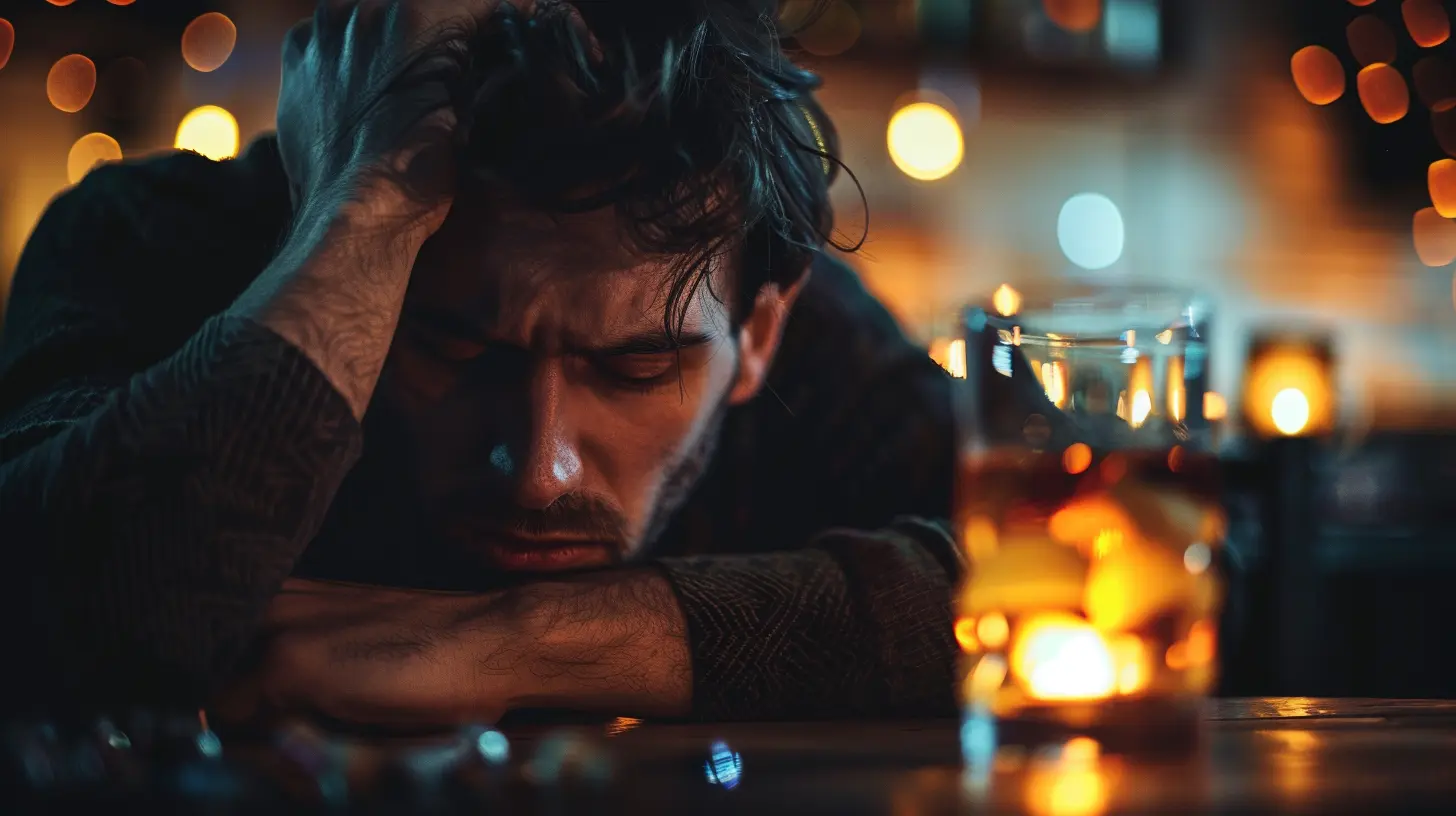
Healthier Ways to Tackle Social Anxiety (Without The Hangover)
If alcohol isn’t the best long-term fix, what is? The good news is that you don’t need a drink to feel socially confident. Here are some anxiety-friendly alternatives:1. Practice Gradual Exposure
The more you face social situations, the less intimidating they become. Start small—maybe a coffee date instead of a huge party. Social skills improve with practice, just like learning to ride a bike (but with fewer scraped knees).2. Try Mindfulness and Deep Breathing
Feeling panicky? Deep breathing exercises can help calm your nervous system in the moment. Try the 4-7-8 technique: Inhale for 4 seconds, hold for 7, and exhale for 8. It’s like hitting the emotional reset button.3. Reframe Negative Thoughts
Instead of thinking, “Everyone’s judging me,” reframe it: “People are too busy worrying about themselves.” Because let’s be real—most people are more concerned about their own awkwardness than yours.4. Exercise Before Social Events
Movement helps burn off nervous energy and releases endorphins (a.k.a. natural mood boosters). Even a 10-minute walk before meeting people can help reduce anxiety.5. Talk to a Therapist
If social anxiety is a recurring problem, therapy (like CBT—Cognitive Behavioral Therapy) can help rewire anxious thought patterns. Think of it as debugging your social anxiety software.6. Have a Non-Alcoholic Social Strategy
If you’re used to having a drink as a crutch, try replacing it with something else—a mocktail, a fidget ring, or even a fun conversation starter in your back pocket. Confidence isn’t about what’s in your glass; it’s about mindset.Final Thoughts: Is Alcohol Worth The Short-Term Fix?
For many socially anxious folks, alcohol feels like a blessing—until it turns into a curse. While it provides temporary relief, the long-term effects can make anxiety worse, not better.So, next time you’re tempted to drown your social jitters in a glass of wine, ask yourself: is the short-term relief worth the long-term discomfort? If your answer is “not really,” then congratulations—you just saved yourself from the cycle of “drink, feel good, anxiety, repeat.”
And hey, if you do end up at a party feeling awkward, just remember: most people are too distracted by their own insecurities to notice yours. So take a deep breath, relax, and own your social anxiety like a pro. No alcohol required.
all images in this post were generated using AI tools
Category:
Social AnxietyAuthor:

Jenna Richardson
Discussion
rate this article
1 comments
Rosalind McFarlane
Balancing short-term relief with long-term effects is key. Understanding how alcohol impacts social anxiety can empower you to choose healthier paths and build genuine connections. Stay strong and informed!
June 12, 2026 at 2:57 AM
Jenna Richardson
Thank you for your insightful comment. Balancing short-term relief with long-term effects is indeed crucial in navigating social anxiety. It's all about making informed choices for lasting well-being.