Finding Meaning Through Authentic Daily Rituals
5 November 2026
In our fast-paced world, where distractions abound and the demands of life can feel overwhelming, the search for meaning often leads us to the concept of daily rituals. These practices, whether simple or elaborate, can ground us, provide structure, and foster a sense of connection to ourselves and the world around us. This article delves into the importance of authentic daily rituals, their psychological benefits, and how to create meaningful routines that resonate with your unique life.
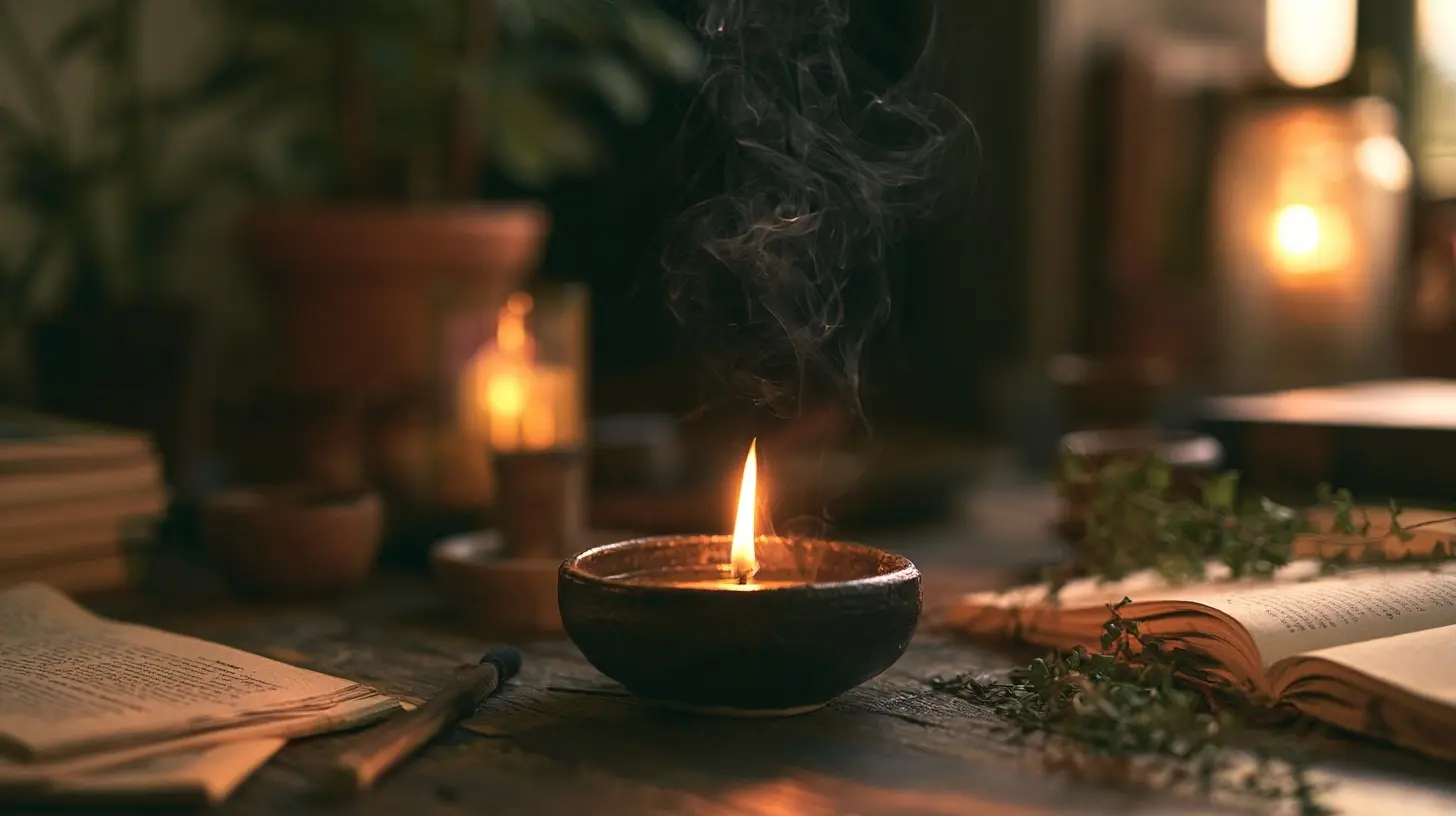
Understanding Daily Rituals
What Are Daily Rituals?
Daily rituals are intentional practices that individuals engage in regularly, often at specific times of the day. They can range from the mundane, like brushing your teeth, to the profound, like morning meditation. The key element is intention; these rituals are performed with a sense of purpose and awareness, allowing individuals to cultivate a deeper connection to their experiences.The Difference Between Habits and Rituals
While habits and rituals may seem similar, they differ significantly in intention and emotional engagement. Habits are often automatic behaviors that require little thought, such as scrolling through your phone or grabbing a snack. Rituals, on the other hand, involve a conscious decision to engage in an activity that holds personal significance. For example, a morning coffee routine can be transformed from a habit into a ritual by taking the time to savor each sip and reflect on the day ahead.
The Psychological Benefits of Rituals
Creating Structure and Stability
In times of uncertainty, daily rituals can provide a sense of structure and stability. Engaging in familiar practices can create a comforting rhythm, helping to mitigate anxiety and foster a sense of control. For instance, during challenging life transitions, such as a job change or a move, maintaining regular rituals can anchor you amidst the chaos.Enhancing Mindfulness and Presence
Rituals encourage mindfulness, allowing individuals to immerse themselves fully in the present moment. By focusing on the experience rather than being distracted by external stimuli, you can cultivate greater awareness and appreciation for life's simple pleasures. For example, a mindful eating ritual can transform mealtime into a sensory experience, promoting gratitude and satisfaction.Fostering Connection
Authentic rituals can also strengthen connections with others. Shared practices, such as family dinners or weekly game nights, foster a sense of belonging and community. These moments create lasting memories and deepen relationships, reinforcing the idea that we are not alone in our experiences.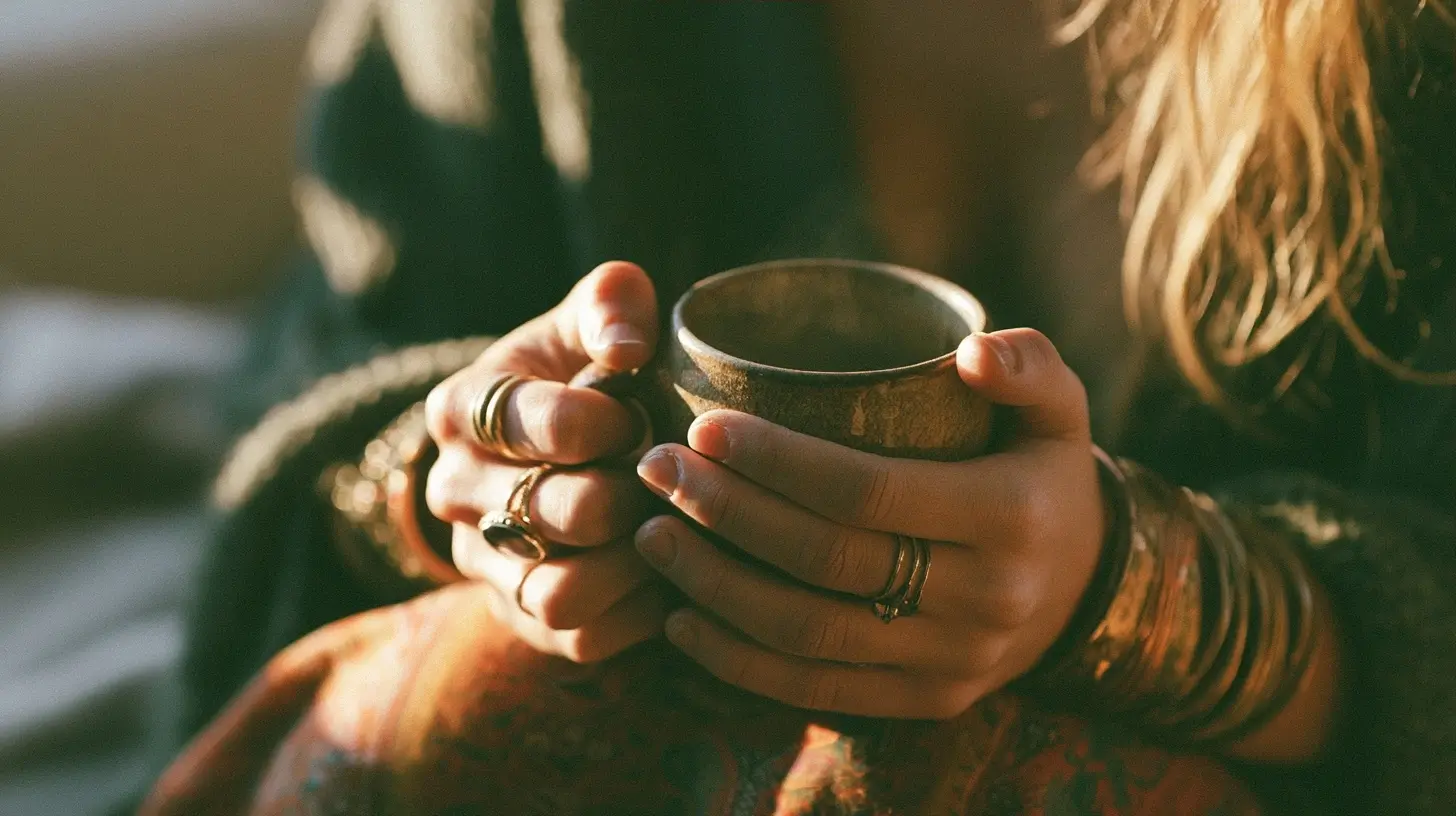
Designing Your Authentic Rituals
Identifying What Matters to You
Before creating daily rituals, it is essential to reflect on what truly matters to you. Consider your values, passions, and the aspects of life that bring you joy. This self-awareness will guide you in designing rituals that resonate with your authentic self.Questions to Reflect On
- What activities make you feel most alive?- When do you feel most connected to yourself and others?
- What values do you want to nurture in your daily life?
Start Small and Build Gradually
When introducing new rituals, start small. Choose one or two practices that you can easily incorporate into your day. This could be as simple as taking five minutes each morning to write in a gratitude journal or lighting a candle before dinner. As these practices become ingrained, you can gradually expand your rituals to include others that align with your evolving needs.Create a Supportive Environment
Your environment plays a crucial role in the success of your rituals. Designate specific spaces for your practices, whether it's a cozy corner for reading or a serene spot for meditation. Surrounding yourself with items that inspire you, such as candles, plants, or meaningful artwork, can enhance your experience and motivate you to engage in your rituals regularly.Be Flexible and Adaptive
Life is unpredictable, and it's essential to remain flexible with your rituals. If a particular practice no longer resonates or feels burdensome, it's okay to modify or replace it. The goal is to create a routine that uplifts you, not one that adds stress. Embrace the ebb and flow of life, and allow your rituals to evolve with you.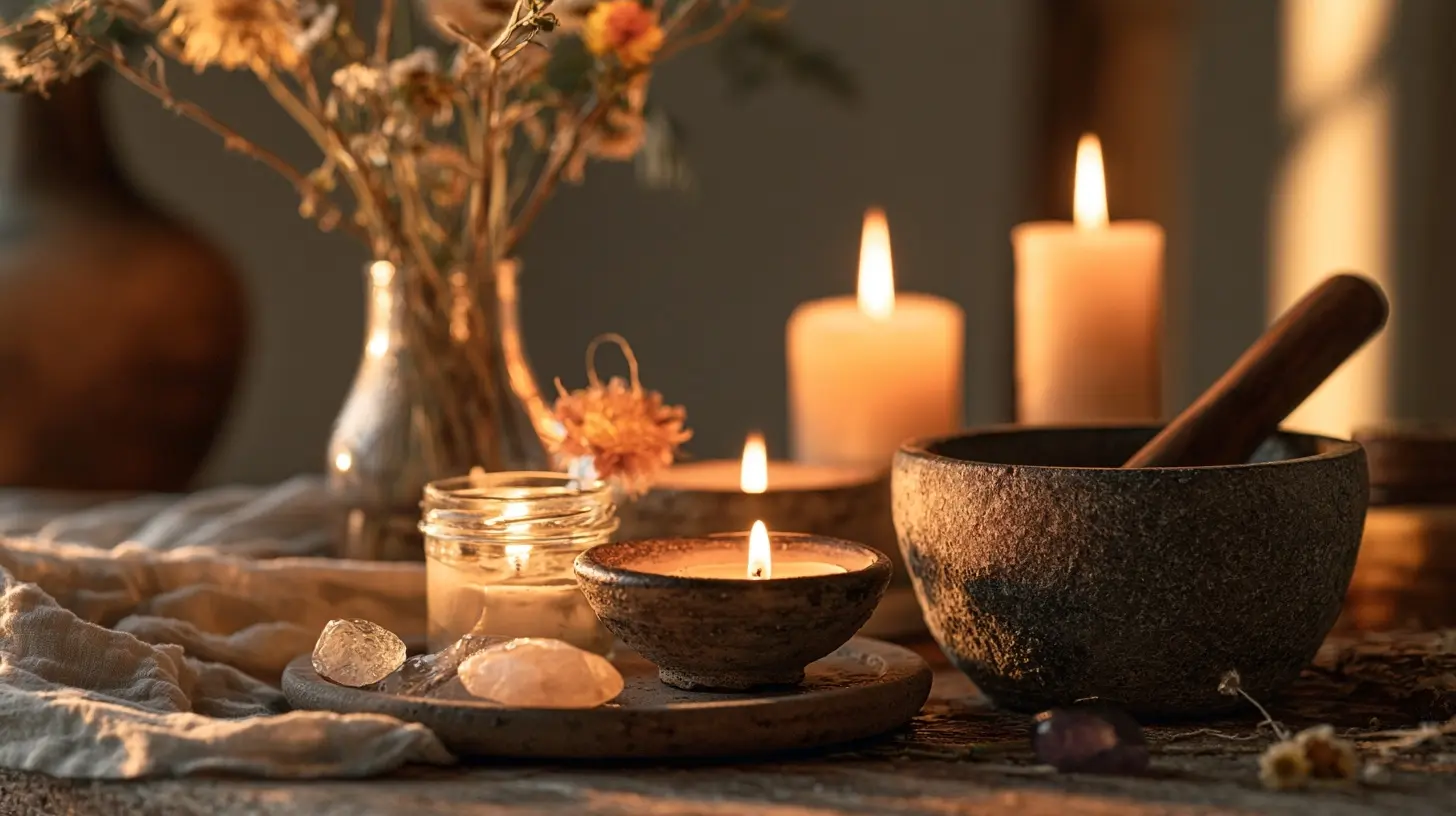
Common Mistakes to Avoid
Overcomplicating Your Rituals
One common pitfall is overcomplicating rituals, making them feel like chores rather than enjoyable practices. Keep your rituals simple and accessible. Remember that the intention behind the ritual is what matters most, not the complexity of the activity itself.Comparing Your Rituals to Others
It's easy to be influenced by what you see others doing, especially on social media. However, comparing your rituals to those of others can lead to feelings of inadequacy. Focus on what feels authentic to you rather than striving to replicate someone else's practices.Neglecting Consistency
While flexibility is important, consistency is key to reaping the benefits of rituals. Aim to engage in your chosen practices regularly, even if it's just a few times a week. Consistency helps reinforce the habit and deepens the connection to the ritual.Real-World Examples of Meaningful Rituals
Morning Rituals
Many people find that starting the day with intention sets a positive tone. A morning ritual might include waking up at the same time each day, stretching, enjoying a cup of tea, and jotting down three things you are grateful for. This practice not only energizes you but also cultivates a mindset of appreciation.End-of-Day Reflection
An evening ritual can serve as a powerful way to unwind and reflect on the day. Consider taking a few moments to journal about your experiences, noting what went well and what you learned. This practice can foster self-awareness and provide closure, allowing you to transition into a restful night.Weekly Family Rituals
For families, establishing weekly rituals can strengthen bonds and create cherished memories. Whether it's a Sunday pancake breakfast or a Friday movie night, these shared experiences help cultivate a sense of belonging and connection.
The Role of Cultural and Spiritual Rituals
Embracing Cultural Traditions
Cultural rituals, such as family gatherings during holidays, can provide a sense of continuity and connection to one's heritage. Engaging in these practices allows individuals to honor their roots while also fostering a sense of belonging within a larger community.Spiritual Practices
For those inclined toward spirituality, rituals can take on profound significance. Practices such as meditation, prayer, or mindfulness can help individuals connect with a higher purpose and cultivate inner peace. These rituals often provide solace and guidance during challenging times.The Science Behind Rituals
Psychological Research
Research in psychology suggests that rituals can significantly impact our mental well-being. Studies have shown that engaging in rituals can reduce anxiety, enhance feelings of control, and even improve performance in stressful situations. The act of performing a ritual can serve as a coping mechanism, allowing individuals to navigate life's challenges with greater resilience.The Power of Symbolism
Rituals often involve symbolic actions that carry meaning. For example, lighting a candle may symbolize hope or clarity, while sharing a meal can represent connection and community. These symbols can enhance the emotional experience of the ritual, making it more impactful.
Conclusion
Finding meaning through authentic daily rituals is a deeply personal journey that can enrich your life in countless ways. By engaging in intentional practices that resonate with your values and experiences, you can cultivate a greater sense of purpose, connection, and mindfulness. As you embark on this journey, remember to start small, stay flexible, and focus on what truly matters to you. In a world that often feels chaotic, these rituals can serve as anchors, guiding you toward a more meaningful existence.
all images in this post were generated using AI tools
Category:
Authentic LivingAuthor:

Jenna Richardson
Discussion
rate this article
1 comments
Cara Hall
This article highlights the power of daily rituals in cultivating a sense of meaning. I appreciate the emphasis on authenticity; it really resonates. Simple practices can ground us and provide clarity in our hectic lives. I'm inspired to reflect on my own rituals and how they shape my well-being.
November 5, 2026 at 3:38 AM