Exploring the Role of Genetics in Mental Health
5 March 2026
Mental health is a topic that touches all of us, whether it's through our own experiences or the experiences of loved ones. But when we think about mental health, most of us focus on external factors: stress, trauma, loneliness, and so on. Have you ever stopped to consider the role of genetics in mental health? It turns out, your genes might play a much bigger role than you’d expect.
When we start digging into the relationship between genetics and mental health, things get both incredibly fascinating and, well... a little complicated. But don't worry! We're going to break it down into bite-sized pieces so that it all makes sense.
Let’s dive into this intriguing connection between your DNA and mental well-being!
The Basics: What Are Genetics?
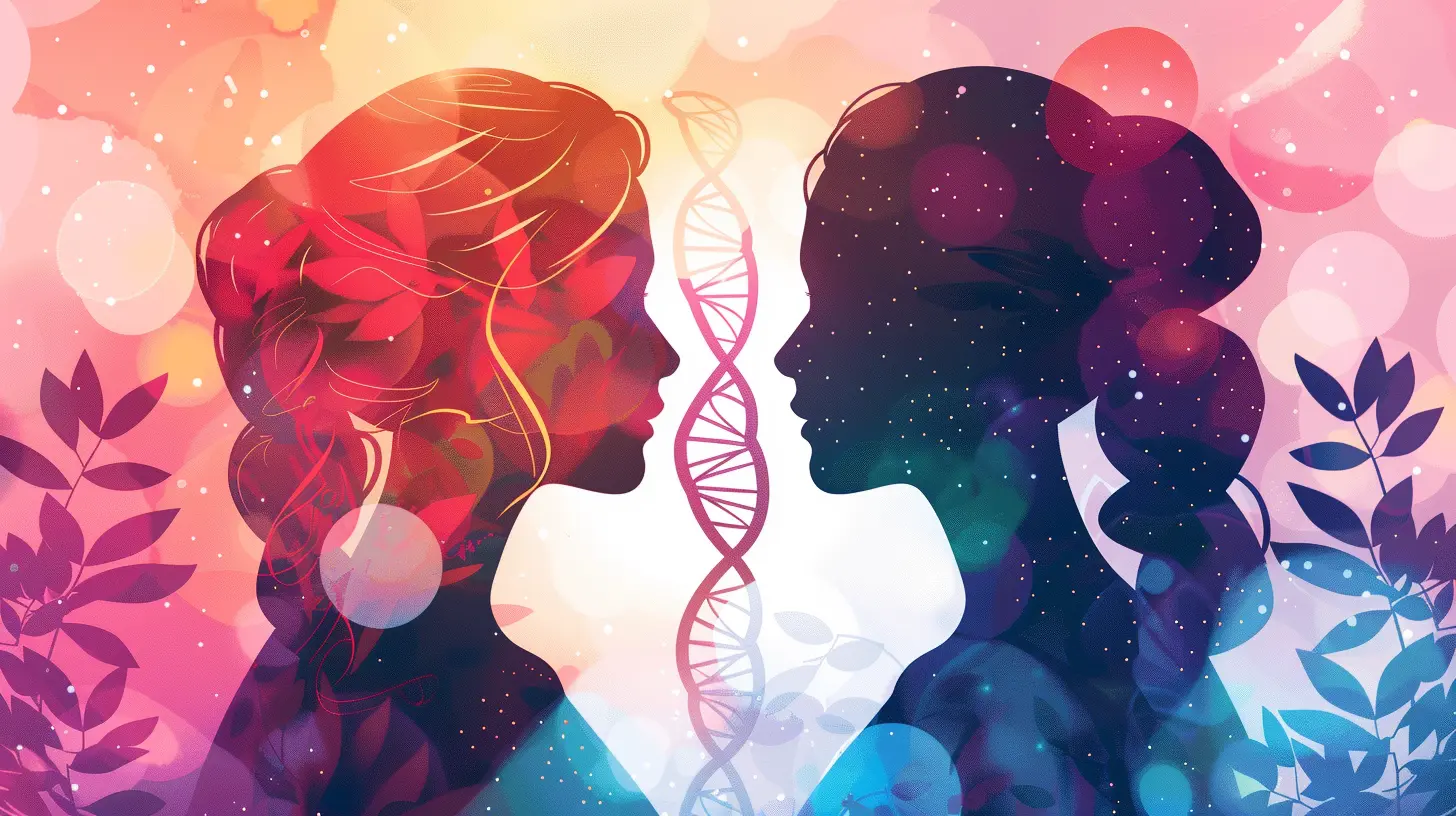
Before we get into the relationship between genetics and mental health, let’s get the basics down first. Genetics refers to the study of genes, which are segments of DNA that carry information controlling things like your eye color, height, and, to some extent, your behavior. Think of DNA as a recipe book, and genes are the individual recipes in that book. Some recipes are responsible for your physical traits, while others might dictate how your brain is wired.You inherit half of your genes from your mother and half from your father. So, if your father struggles with anxiety, for instance, you might be more prone to anxiety as well. But, your environment and life experiences also come into play — it's never just one or the other. However, genetics can create the foundation or predisposition for certain mental health conditions.
But wait, does this mean there's a "depression gene" or a "schizophrenia gene"? Not quite… Let’s break that down.

Is There a One-to-One Relationship?
Sorry, No Single "Mental Illness Gene"
Let’s get this out of the way first: there’s no clear-cut gene for depression, anxiety, or schizophrenia. Genetics is far more complex than that. Mental health conditions, particularly those like depression or bipolar disorder, involve multiple genes — thousands, in fact — interacting together.In addition to the sheer number of genes involved, your lifestyle, environment, and even your diet can influence how those genes express themselves. This is what scientists call gene-environment interaction. In other words, having certain genetic predispositions may increase your risk of developing a mental health condition, but it’s not a guarantee. It’s a bit like having a spark that may or may not ignite, depending on what’s going on around you.
Polygenic Risk Scores - A Genetic Puzzle
One of the ways scientists are trying to unravel this puzzle is by looking at something called “polygenic risk scores.” These are essentially calculations made by adding up the small, individual effects of many genetic variations that together could increase the likelihood of having a mental health disorder. It’s like you add a small pinch of anxiety here, a dash of depression there, and suddenly you have a "score" for how at-risk you are.However, even this score doesn’t give you the full picture because, again, environmental factors and personal experiences are at play too.
Nature vs. Nurture: The Eternal Debate
We've all heard about the nature versus nurture debate. Are we the way we are because of our genes (nature), or is it because of the environment we grow up in (nurture)? Honestly, it's both. But let’s break it down.The Nature Side (Genetics)
On the genetics side, scientists are learning that certain genes are linked to specific mental health disorders. For example, studies have shown that individuals with genetic variations related to the serotonin transporter gene (often called the “5-HTTLPR” gene) are more susceptible to depression, especially after a stressful life event.But it’s never just one gene. Many mental health conditions are polygenic, meaning multiple genes contribute to the outcome. The combination of those genetic factors helps to "set the stage" for how likely you are to develop a condition like depression, schizophrenia, or anxiety.
The Nurture Side (Environment)
Then there’s the environment — or nurture. Even if your genes make you more likely to develop a mental health disorder, they don’t guarantee that you will. Your experiences play a crucial role, too. For instance, someone with a genetic predisposition for anxiety might never develop it if they grow up in a loving, supportive environment. On the flip side, chronic stress or trauma can trigger these latent genetic predispositions.The takeaway? While genes certainly play a role, your mental health is often a combination of your genetic lottery and the life experiences you navigate.

Epigenetics: The Bridge Between Genes and Environment
If this relationship between genes and mental health is a fascinating puzzle, then epigenetics is the missing piece that helps put it together.Epigenetics is the study of how your environment can influence the way your genes express themselves. Your DNA doesn’t change, but certain environmental factors can turn genes “on” or “off.” Think of it like a light switch. For example, experiences of extreme stress or trauma might turn "on" genes related to depression, making it more likely for you to experience depressive episodes.
One famous study on twins highlighted this perfectly. Identical twins share the same DNA, but they don't always share the same mental health outcomes. This is because of how their environments impact gene expression differently over time.
So, in a way, your genetics are the blueprint, but your environment is the architect — shifting, changing, and shaping the end result.
Mental Health Disorders and Genetic Links
At this point, you’re probably wondering about the specific mental health conditions and how deeply they are tied to genetics. Let’s take a look at a few common disorders and what science has to say about their genetic components.Depression
Depression is one of the most widely studied mental health conditions, mainly because it’s so common. Researchers have found that if you have a family history of depression, you’re two to three times more likely to develop it yourself. Part of this is due to genetic factors, though these genes don’t work in isolation. Often, it’s a combination of genetic vulnerability and external stressors that lead to depression manifesting.Bipolar Disorder
Bipolar disorder has a strong genetic component. Studies have shown that if you have a parent or sibling with bipolar disorder, your chances of developing it are significantly increased. In fact, researchers estimate that genetics account for about 70% to 85% of the risk. However, just like with depression, environmental factors can still play a role in triggering its onset.Schizophrenia
Schizophrenia is another condition with a strong genetic link. If one of your parents has schizophrenia, your risk of developing it is about 10%, compared to the general population’s risk of just 1%. And, if you have an identical twin with schizophrenia, your risk jumps to 50%. This makes schizophrenia one of the most heavily researched disorders in terms of genetic predisposition.Anxiety Disorders
Anxiety disorders, like generalized anxiety disorder (GAD), panic disorder, and social anxiety disorder, also have genetic components. If your parents or siblings have anxiety, your chances of developing it increase. However, anxiety tends to be influenced heavily by environment and learned behaviors as well. Genetics may load the gun, but life experiences often pull the trigger.
How Can You Use This Information?
So, now that we’ve talked about the role genetics plays in mental health, what can we do with this knowledge? Should we resign ourselves to our genetic fates? Absolutely not.Just because you have a family history of a mental health disorder doesn’t mean that you are doomed to experience it yourself. Understanding your genetic predispositions can, in fact, empower you to take proactive steps toward maintaining your mental health. Whether that’s through therapy, meditation, lifestyle changes, or even medication, knowing your risk factors helps you tailor a strategy that works best for you.
Additionally, research in the field of mental health is ever-evolving. Genetic testing is becoming more advanced, and while we’re still far from fully understanding the genetic code, new treatments and interventions could be designed in the future to tackle specific genetic vulnerabilities.
What Can You Do?
- Know Your Family History: Having a clear understanding of mental health conditions in your family can give you insights into your own mental health. If certain conditions run in your family, it might be worth being more mindful of your mental well-being.- Seek Professional Help Early: If you already know you're at higher risk for mental health issues, being proactive about therapy or counseling can make a world of difference. Early intervention often leads to better outcomes.
- Focus on Self-Care: A healthy lifestyle, including proper diet, exercise, and stress management, can go a long way in managing any genetic predispositions. Remember, environment matters too.
Conclusion
The role of genetics in mental health is captivating yet complex. While your genes certainly influence your mental well-being, they don’t write the whole story. Genes may set the stage, but your environment, experiences, and choices fill in the rest of the plot. Understanding the genetic factors behind mental health doesn’t mean accepting them as fate — rather, it’s about understanding the bigger picture and using that knowledge to take control of your mental health journey.Ultimately, mental health is a dance between nature and nurture. And while neither is completely in your control, the more you know, the better prepared you are to lead the dance.
all images in this post were generated using AI tools
Category:
Mental Health EducationAuthor:

Jenna Richardson
Discussion
rate this article
2 comments
Kira McPhail
This article effectively highlights the complex interplay between genetics and mental health. Understanding genetic influences can enhance our approach to treatment and prevention, paving the way for more personalized mental health care strategies.
March 18, 2026 at 4:23 PM
Jenna Richardson
Thank you for your insightful comment! I'm glad you found the article's exploration of genetics and mental health valuable for advancing personalized care strategies.
Matteo Cross
This article provides valuable insights into the complex interplay between genetics and mental health. Understanding these connections is crucial for developing effective treatments and fostering greater awareness of mental health issues. Great work!
March 5, 2026 at 6:03 AM
Jenna Richardson
Thank you for your thoughtful comment! I'm glad you found the insights valuable. Understanding these connections is indeed vital for advancing mental health treatment and awareness.