Exploring the Role of Cultural Differences in Mental Health
2 April 2026
Mental health is a topic that’s been gaining well-deserved attention in recent years. But, here's the thing—mental health is not a one-size-fits-all concept. It’s shaped by many factors, and one that often flies under the radar is culture. Yep, the way we think about, experience, and even talk about mental health can vary significantly depending on where we come from.
In this article, we’ll dive deep into how cultural differences play a crucial role in mental health. From how different societies define mental illness to the stigma attached to it, we’ll explore how cultural backgrounds can shape one's mental well-being. Whether you’re a mental health professional, a student, or simply someone curious about the subject, stick around. You’re in for an interesting ride!
Understanding Mental Health: A Universal Concept with Local Flavors
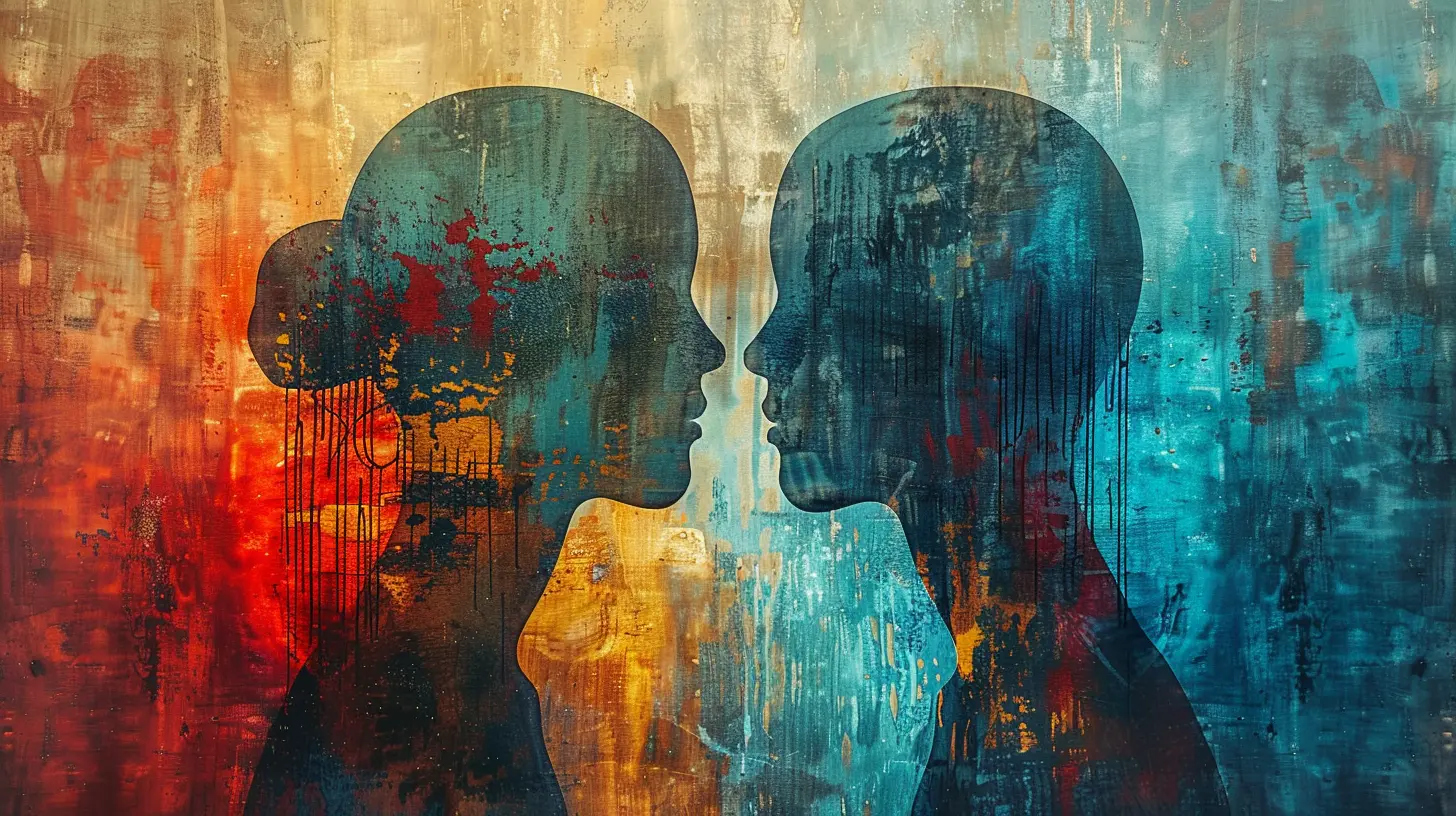
When you think of mental health, what comes to mind? Anxiety? Depression? Maybe therapy and medication? While these concepts are pretty common in Western societies, mental health is understood differently across the globe. Culture acts like a filter through which we interpret our emotions, behaviors, and interactions with others.For instance, in some cultures, mental health might be deeply intertwined with spiritual beliefs. In others, mental illness might not even be recognized as such. Instead of seeking therapy, people might turn to traditional healers, religious figures, or family members. So, while mental health is a universal phenomenon, the way it’s perceived and treated can vary widely.
The Western Approach to Mental Health
In most Western countries, mental health is typically viewed through a biomedical lens. This means that mental illnesses are often seen as medical conditions that can be diagnosed and treated with medication, therapy, or a combination of both. There’s a huge emphasis on individualism, where people are encouraged to take personal responsibility for their mental well-being.Western cultures have also been at the forefront of destigmatizing mental health issues. Campaigns, social media movements, and healthcare infrastructure have made it easier (though not perfect) for people to seek help without fear of judgment. However, this approach isn't universal.
The Non-Western Perspective: A Different Ball Game
Now, let’s take a leap to non-Western cultures, where the concept of mental health can be vastly different. In many Asian, African, and Latin American societies, mental illness is often seen as a family or community issue, rather than an individual one. The idea of seeking professional help might be foreign or even frowned upon.For example, in Japan, mental illness is often considered a private matter. There’s a saying: "The nail that sticks out gets hammered down." This reflects the cultural emphasis on conformity and the suppression of individual problems for the greater good of the group. Seeking therapy may be viewed as a sign of weakness rather than strength.
In some African cultures, mental health issues are frequently attributed to supernatural forces, like witchcraft or possession by spirits. Rather than seeing a psychologist, individuals might consult a traditional healer or a religious leader. This spiritual interpretation of mental health adds another layer of complexity when it comes to treatment.
How Cultural Differences Affect the Perception of Mental Illness
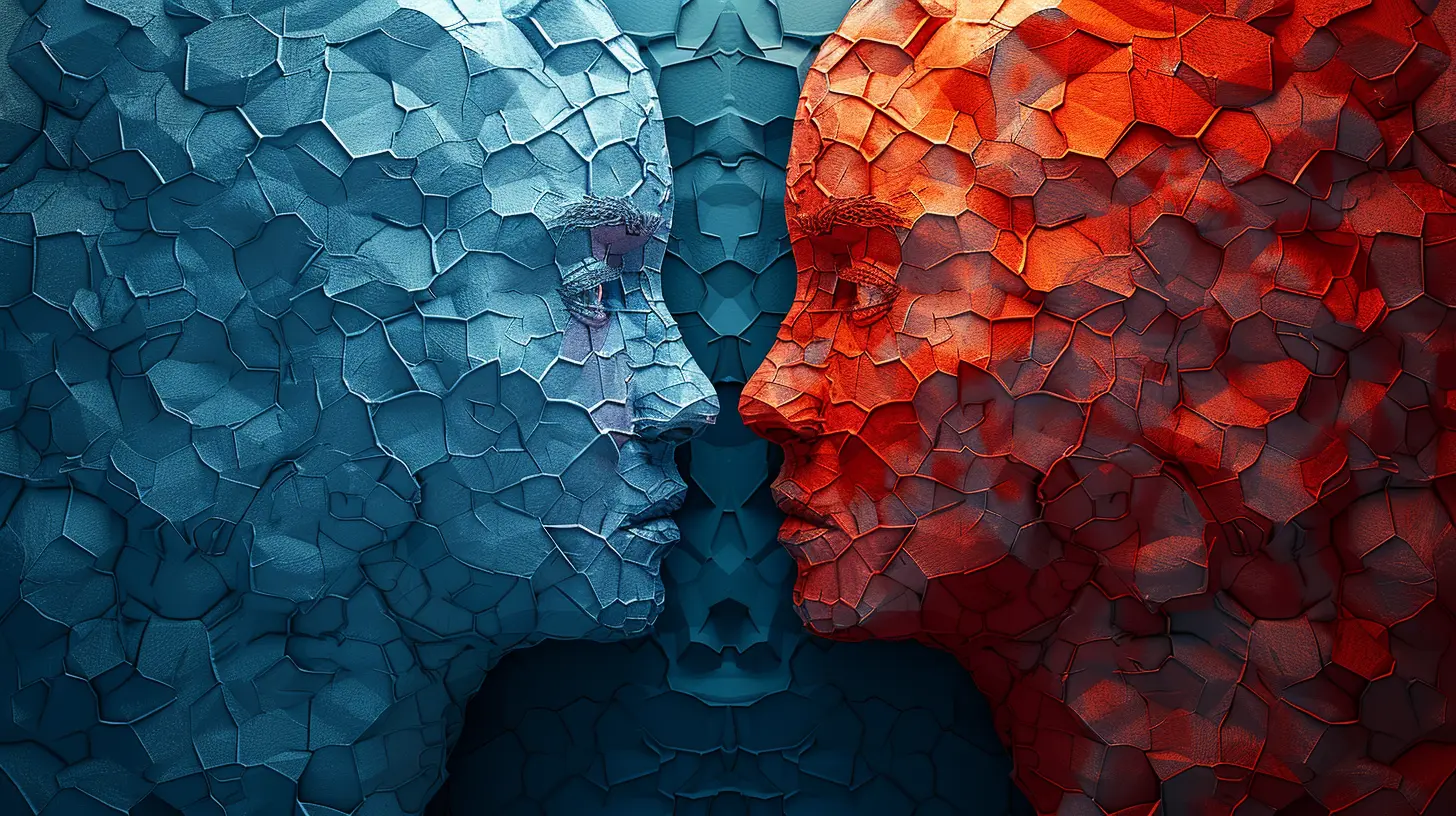
The way mental illness is perceived across different cultures can either help or hinder people from seeking the support they need. Let’s break it down further.Stigma: The Elephant in the Room
Stigma around mental health exists everywhere. However, the intensity of this stigma can vary depending on cultural norms. In some cultures, mental illness is viewed as a personal failing. In others, it might be seen as something shameful that reflects poorly on the family or community.For example, in many Middle Eastern cultures, mental illness is often associated with social disgrace. Families may go to great lengths to hide a loved one’s condition, as it could affect the family's honor. This can lead to a reluctance to seek help, worsening the situation.
On the flip side, some cultures are more accepting of mental health challenges. In Indigenous communities in countries like Canada and Australia, mental health issues are often seen as a collective concern. These cultures emphasize the importance of community support, which can make it easier for individuals to open up about their struggles.
Language and Communication Barriers
Believe it or not, the language we use can heavily influence how we think about mental health. In some languages, there might not even be a direct translation for terms like "anxiety" or "depression." This can make it difficult for people to express what they’re going through and for professionals to provide the right kind of support.For instance, in some Asian languages, mental health conditions are described using physical symptoms. Instead of saying, "I’m feeling anxious," someone might say, "I have a heavy heart" or "My head feels cloudy." These metaphors can make it tricky for mental health professionals to diagnose and treat conditions accurately, especially when working cross-culturally.
Cultural Beliefs About the Causes of Mental Illness
Different cultures have different explanations for why mental illness occurs. In Western societies, the focus is often on biological and psychological factors, such as genetics, brain chemistry, or trauma. However, in other cultures, mental illness might be attributed to external forces like spiritual possession, karma, or even bad luck.For example, in some parts of India, mental health issues are often thought to be the result of bad karma from past lives. This belief can delay people from seeking medical treatment, as they may turn first to religious rituals or spiritual healers.
Coping Mechanisms: The Cultural Toolbox
When it comes to coping with mental health issues, culture plays a huge role in determining what’s considered acceptable or effective. In Western cultures, therapy and medication are often the go-to options. However, in other cultures, people might rely on community support, religious practices, or traditional healing methods.For instance, in many Latin American cultures, prayer and spiritual practices are an integral part of coping with mental health challenges. Family support is also highly valued, and people often turn to relatives for emotional assistance before seeking professional help.
In contrast, some African cultures place a strong emphasis on social connectedness and community gatherings as a way to combat feelings of isolation and depression. Traditional ceremonies and healing rituals might be used to restore emotional balance.
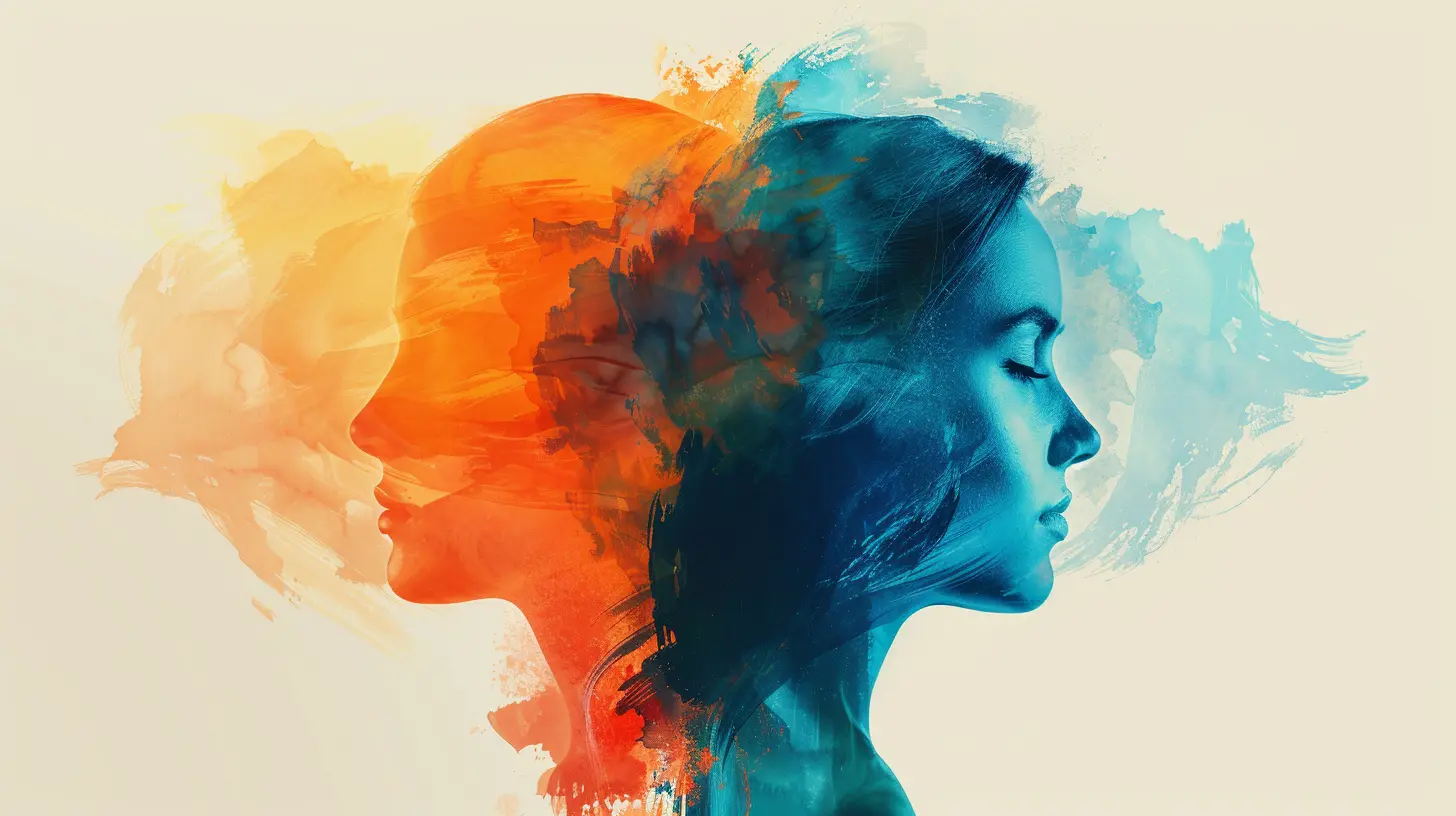
The Impact of Cultural Differences on Mental Health Treatment
Understanding cultural differences isn’t just an interesting topic of discussion—it’s crucial for providing effective mental health care. Mental health professionals need to be culturally competent to deliver the best care possible. Let’s take a look at how cultural awareness can improve mental health treatment.Culturally Competent Care
Cultural competence involves understanding and respecting the cultural backgrounds of patients while tailoring treatments to fit their unique needs. This means mental health professionals need to be aware of how cultural beliefs, values, and practices may influence a person’s mental health experience.For example, if a therapist is working with a client from a culture that places a strong emphasis on family, they might incorporate family into treatment planning. Alternatively, if a client holds spiritual beliefs about their mental illness, the therapist might find ways to integrate those beliefs into the therapeutic process.
It’s important to note that cultural competence isn’t just about knowing the right facts—it’s about being open-minded, curious, and willing to learn from the patient’s perspective.
Breaking Down Language Barriers
Language can be one of the biggest obstacles to effective mental health care. If a patient can’t express their feelings in a way that the therapist understands, it’s going to be pretty hard to make progress. That’s why mental health professionals working in multicultural contexts often rely on interpreters or therapists who can speak the patient’s language.However, it’s not just about speaking the same language—it’s also about understanding the cultural nuances behind the words. For example, if someone says they’re feeling “hot” when they’re anxious, a culturally competent therapist would know that this might be a metaphor for emotional distress rather than a physical symptom.
Bridging the Gap Between Traditional and Modern Treatments
In many cases, mental health professionals may need to bridge the gap between traditional cultural practices and modern medical treatments. This doesn’t mean dismissing traditional practices, but rather finding ways to integrate them with evidence-based treatments.For instance, some Indigenous communities in Canada use traditional healing methods like talking circles, smudging ceremonies, or sweat lodges in conjunction with Western therapies. These culturally relevant practices can enhance the effectiveness of treatment by addressing the patient’s cultural and spiritual needs.
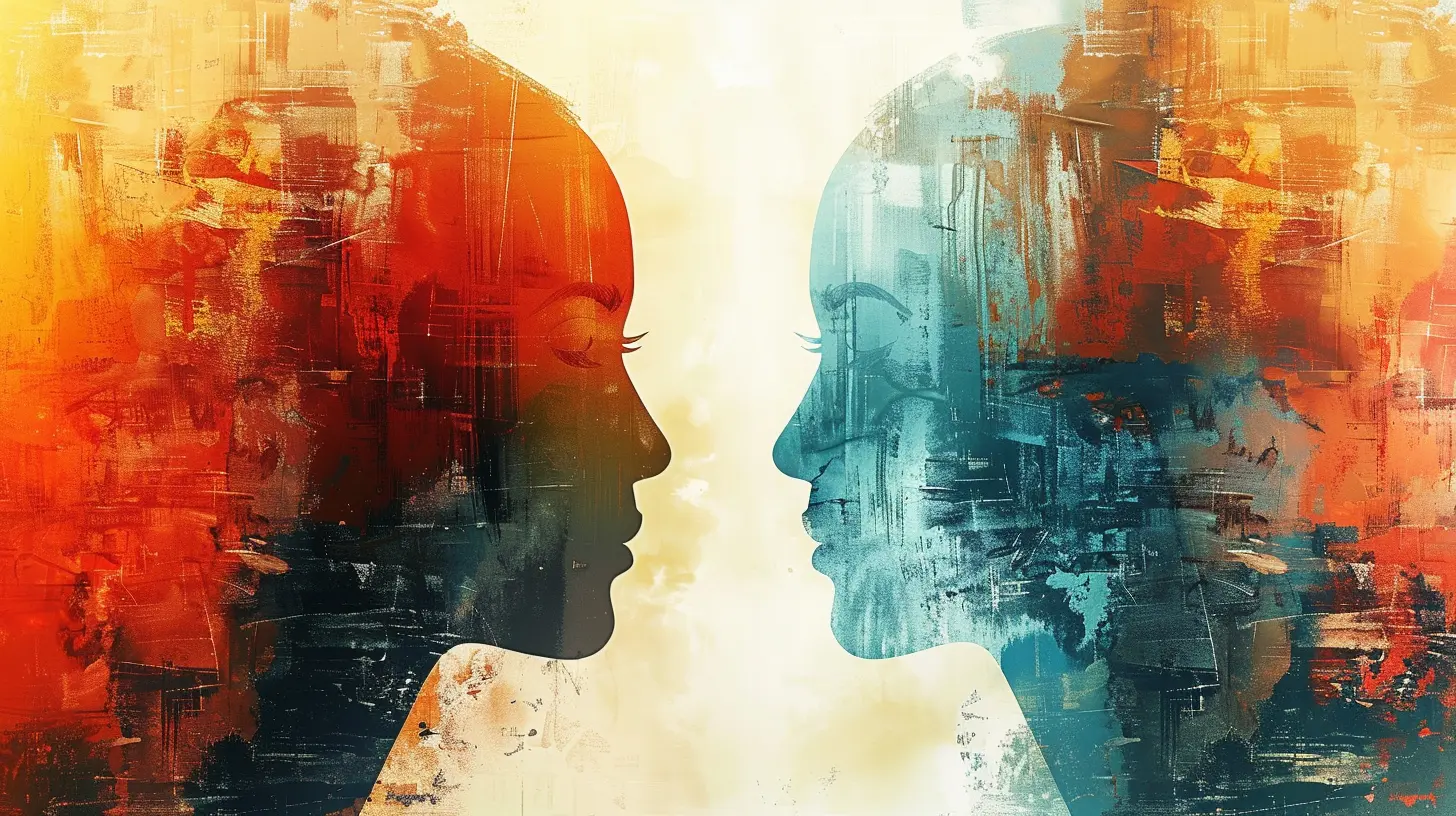
Mental Health and Acculturation: The Challenges of Living Between Two Worlds
For immigrants and refugees, navigating mental health can be even more complicated. These individuals often face the challenge of acculturation, or the process of adapting to a new culture while maintaining their original cultural identity. This can create unique stressors that affect mental health.For example, immigrants might feel torn between the expectations of their home culture and the demands of their new society. This can lead to feelings of isolation, confusion, or even guilt. For second-generation immigrants, the challenge may be even greater, as they try to balance the cultural values of their parents with the norms of the society they were born into.
Acculturation stress can manifest in various ways, from anxiety and depression to identity crises. It’s essential for mental health professionals to be aware of these challenges and provide support that takes into account the complexities of living between two worlds.
Conclusion: Embracing Cultural Differences in Mental Health
Cultural differences play a significant role in shaping how we understand, experience, and treat mental health. Whether it’s the stigma around mental illness, language barriers, or differing beliefs about causes and treatments, culture influences every aspect of mental health. To provide effective care, mental health professionals must be culturally competent, open-minded, and willing to integrate traditional practices with modern treatments.The key takeaway? Mental health isn’t just about the mind—it’s about the mind within a specific cultural context. By embracing cultural differences, we can create more inclusive, compassionate, and effective mental health care systems that serve people from all walks of life.
all images in this post were generated using AI tools
Category:
Mental Health EducationAuthor:

Jenna Richardson
Discussion
rate this article
2 comments
Jemima O'Neal
This article highlights the crucial impact of cultural differences on mental health perceptions and treatment. Understanding these variations can enhance empathy and improve mental health outcomes across diverse communities. A valuable read for professionals and laypeople alike.
June 29, 2026 at 2:45 AM
Jenna Richardson
Thank you for your thoughtful comment. I appreciate your insights on the importance of understanding cultural differences in mental health.
Zariah Wilkins
Cultural shadows shape our minds—what secrets lie beneath our shared experiences?
April 10, 2026 at 2:57 AM
Jenna Richardson
Cultural shadows do influence our perceptions and mental health. Beneath shared experiences, we often find unspoken beliefs and values that can either support or hinder our well-being.