Exploring the Connection Between Mental Health and Chronic Illness
15 June 2026
Let’s be real for a second—life throws curveballs. And sometimes, those curveballs come in the form of chronic illness. Now, pair that with the rollercoaster ride of mental health and—bam!—you’re suddenly juggling flaming swords on a unicycle, mid-thunderstorm. Dramatic? Maybe. Accurate? You bet.
Whether it’s diabetes, arthritis, migraine, heart disease, or something more invisible like fibromyalgia, chronic illnesses don’t just wear down the body—they take a toll on the mind too. In this article, we’re diving deep into that sneaky, complicated relationship between chronic illness and mental health. We’ll unravel the sciencey stuff (without sounding like a textbook), share some relatable tidbits, and yes—maybe crack a smile or two.
So, go ahead, grab your comfiest blanket and a cup of tea (or snack—we don’t judge), and let’s talk about the surprisingly tangled web that connects our bodies and our brains.
What Is a Chronic Illness, Really?
Let’s kick things off with the basics. A chronic illness is like that house guest that came for the weekend but somehow never left. It sticks around for 3 months or more (yep, that’s the official timeline), and usually, it’s a long-term condition you manage rather than cure.Some common chronic illnesses include:
- Asthma
- Diabetes
- Heart disease
- Chronic pain conditions (hello, back pain!)
- Multiple sclerosis
- Lupus
- IBS (Irritable Bowel Syndrome)
Unlike a cold or a broken bone, these don’t just fade away with time and chicken soup. They demand consistent attention, care, and more patience than Netflix buffering on a bad Wi-Fi connection.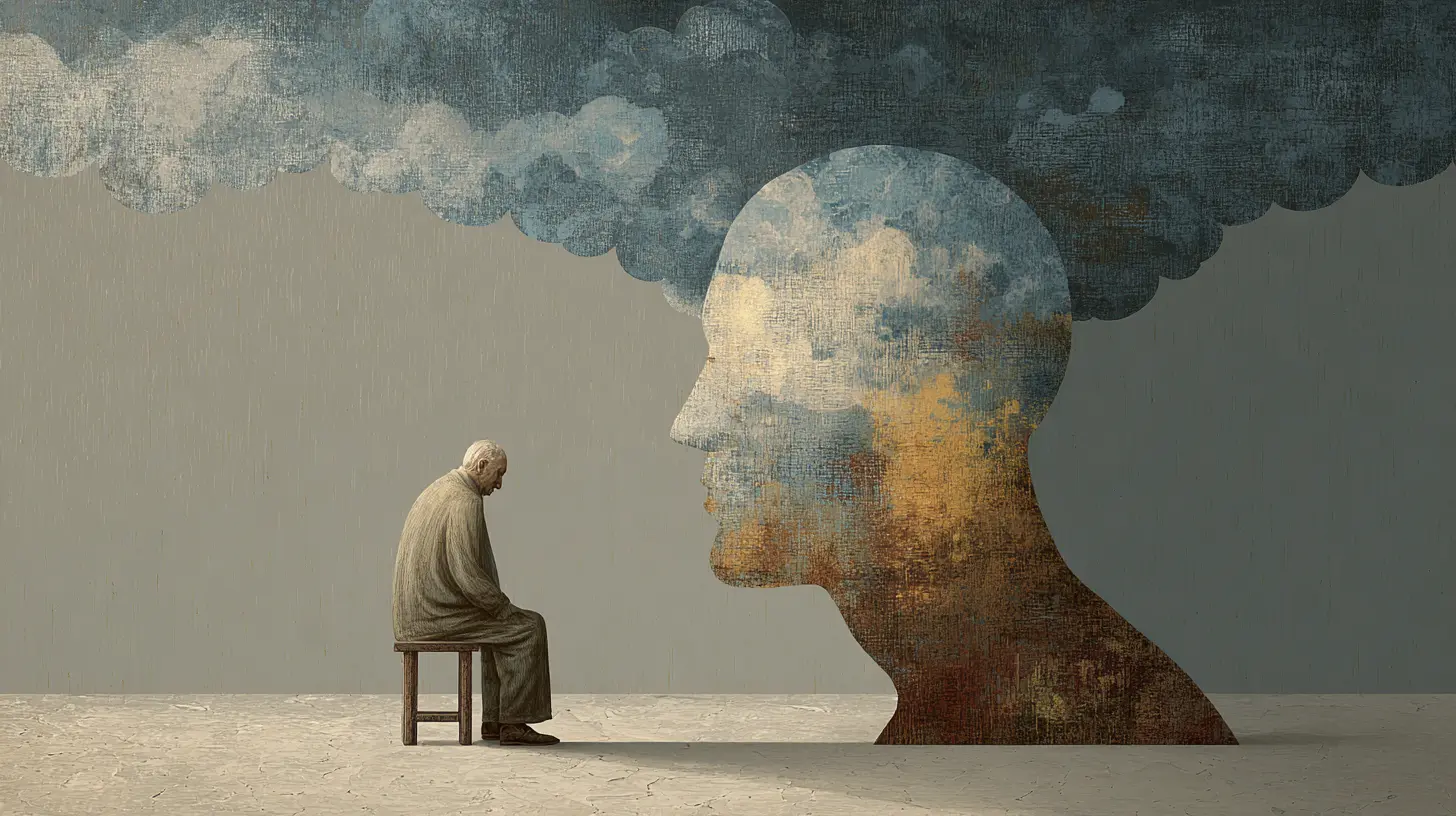
The Invisible Thread: Mental Health's Role in Chronic Illness
Let’s paint a picture: You wake up, your joints ache like you just did CrossFit with Dwayne “The Rock” Johnson. You’re exhausted—mentally and physically. Even brushing your teeth feels like an Olympic event. Now, tell me—how’s your mood?Exactly.
It’s no surprise that depression and anxiety often tag along with chronic health conditions. In fact, studies show people with chronic illnesses are more than twice as likely to experience depression compared to those without them. That’s not just coincidence, folks—it’s connection.
Why Does This Happen?
Your body and mind are like two besties at a sleepover. If one gets moody, the other feels it too.Here’s what’s going on under the hood:
- Physical limitations: When your body doesn’t cooperate, it can make everyday activities feel impossible. That loss of independence? It stings.
- Pain and discomfort: Chronic pain chips away at your patience, your sleep, and your ability to enjoy anything. Seriously, it’s hard to feel cheerful when your back feels like it’s been karate-chopped by Bruce Lee.
- Uncertainty and fear: Chronic conditions often come with no clear path—you're navigating a foggy forest without a map. That uncertainty stir-fries anxiety.
- Social isolation: You might cancel plans more than you keep them. And slowly, your social circle shrinks. Loneliness sneaks in—and it's a heck of a motivator for depression.
It Goes Both Ways: How Mental Health Affects Physical Health
Just like chronic illness affects mental health, the reverse is also true. Our mental state can amplify or ease our physical symptoms. Think of it like a loop—one feeds into the other.- Stress: That little four-letter word your doctor keeps warning about? It’s real. Chronic stress triggers inflammation, worsens pain, spikes blood sugar, and messes with your immune system. Not a fun party trick.
- Anxiety and depression: These aren't just “in your head.” Anxiety can cause chest pain, dizziness, and even GI issues. Depression? It can lower pain tolerance, increase fatigue, and reduce motivation for self-care.
- Sleep disturbances: Mental health issues often mess with sleep—either you can’t fall asleep, or you can’t stay asleep. And poor sleep? It’s fuel to the chronic illness fire.
- Neglected self-care: Depression can make taking your meds feel like climbing Everest. Skipping treatments or ignoring health advice leads to flare-ups or complications. A vicious cycle indeed.
The Emotional Weight of a Diagnosis
Getting diagnosed with a chronic illness is like being handed a backpack full of bricks—and no instructions on how to carry it. There's fear, grief, confusion, and anger all bundled in.You might grieve the “old you,” the version of yourself that could run marathons, binge Netflix without falling asleep, or travel without packing half a pharmacy. And that grief? Totally normal. It's a process. Heck, there’s even a name for it: illness identity—how someone integrates their condition into their sense of self.
It’s okay to feel overwhelmed. You’re not alone in that.
Coping Without Going Coco-Loco: Strategies That Actually Help
Now that we’ve unpacked all the messy connections, let’s talk about what you can do about it. No magic fixes here (I wish!), but there are some solid strategies to ease the load:1. Get Friendly with Therapy
Seriously—talk therapy isn’t just for heartbreaks and childhood trauma. Cognitive Behavioral Therapy (CBT), Acceptance and Commitment Therapy (ACT), and even mindfulness-based therapies can be game changers for those juggling chronic illness and mental health struggles.2. Build Your Support Team
Think Avengers, but with more hugs and fewer iron suits. Surround yourself with people who get it—or at least try to. That means friends, family, support groups, and maybe even your dog (they're great listeners).Online communities can be gold mines for validation and connection. (Just beware of Dr. Google—he’s not a real doctor.)
3. Move That Body, Gently
Exercise sounds like a cruel joke when you're in pain, but even gentle movement (walking, stretching, chair yoga) releases happy hormones. Give it a shot. Your body will thank you, and your brain will reward you with a boost of “feel-good.”4. Prioritize Sleep Like a Queen
You know when your phone’s at 1% and starts acting weird? That’s you without sleep.Establish a calming bedtime routine—no phones in bed, warm baths, maybe some journaling or sleepy-time tea. Your body heals when it sleeps, and your mood stabilizes too.
5. Embrace Mindfulness Without the Woo-Woo
No, you don’t have to sit on a mountaintop and chant “om” (unless that’s your thing). Just being present—focusing on your breath, a sound, or even a snack—can help ground your racing thoughts.Mindfulness helps you sit with discomfort without letting it drown you. It’s like putting on emotional floaties.
6. Don’t Skip Doctor Visits (Even If You Hate Them)
Your healthcare provider isn’t just there to adjust your meds. They can screen for mental health issues, refer you to resources, and provide tools to manage the whole picture—not just the painful parts.When It’s More Than Just a Case of “Feeling Blue”
Here’s the thing: sadness and stress are normal. But when they stick around like that awkward party guest who won't take a hint, it might be time to seek help.Watch for red flags like:
- Losing interest in things you used to love
- Feeling hopeless or numb
- Excessive worry or irritability
- Changes in sleep, appetite, or energy
- Thoughts of self-harm
Mental health is health. Period. No shame, no stigma—just support.
The Silver Lining (Yes, There Is One!)
Okay, we’ve talked about the heavy stuff. But here’s some good news: the connection between mental health and chronic illness means that small positive changes in one area can often cause a ripple effect in the other.It’s a double-edged sword, yes—but that means the good stuff doubles too. A good therapy session might make your pain feel less intense. Better sleep could improve your mood and blood sugar. Laughing at a comedy special might not “cure” your illness, but it might take the edge off your day.
So don’t underestimate the power of small wins. They add up.
Final Thoughts: You’re Doing Better Than You Think
Look, managing a chronic illness while protecting your mental health is no small feat. It’s not just surviving—it’s navigating an obstacle course blindfolded, with one arm tied behind your back, while juggling flaming pineapples.But here you are. Reading. Learning. Trying. That’s powerful.
Your mental health matters just as much as your physical health—so treat it with the same love and care. See the doctor. Vent to a friend. Take one nap too many. Celebrate the small victories. And most importantly, be kind to yourself.
Because healing—even the emotional kind—isn’t linear. It’s a dance. Sometimes it's a two-step, sometimes it's the worm. Just keep moving.
all images in this post were generated using AI tools
Category:
Mental Health EducationAuthor:

Jenna Richardson
Discussion
rate this article
1 comments
Anabella Beck
Chronic illness and mental health can feel like a rollercoaster ride, right? Let's embrace the ups and downs together, share some laughs, and keep the conversation going... we're all in this!
June 17, 2026 at 4:18 AM
Jenna Richardson
Absolutely! It's a wild ride for sure. Laughing and sharing helps us all feel less alone in this journey. Let's keep the dialogue open.