Empathy vs Sympathy: How to Offer the Right Kind of Emotional Support
26 June 2026
Ever had a friend pour their heart out to you, and you weren’t quite sure what to say? Maybe you blurted out something like, “Well, at least it’s not worse,” and got a cold stare in return. Ouch. If you’ve ever fumbled through offering comfort, you’re not alone. That awkward moment often comes down to one simple, but powerful, misunderstanding: confusing empathy with sympathy.
Knowing the difference between empathy and sympathy can completely change the way you connect with people. Whether you're supporting a friend, coworker, partner, or family member, understanding how to show up emotionally can literally be the difference between helping them feel heard or making them feel more alone.
Let’s dive into what sets empathy and sympathy apart—and how to use them to offer the right kind of emotional support.
What’s the Big Difference Between Empathy and Sympathy?
So, let’s break it down. Empathy and sympathy might sound like emotional cousins, but they play very different roles when it comes to human connection.Sympathy: Standing on the Shore
Sympathy is like standing on the shore and seeing someone struggling in the water. You might wave and say, “That looks really hard,” maybe even throw them a floatie from a distance. Your intentions are good, but you're not jumping in.It often sounds like:
- "Aw, that’s too bad."
- "I feel sorry for you."
- "At least it’s not as bad as [insert worse situation here]."
Sympathy acknowledges pain but keeps a buffer. It places you slightly above or apart from the other person’s experience, like you’re observing their emotions from a distance.
Empathy: Jumping Into Their World
Empathy, on the other hand, is way more gutsy. It’s like jumping into the water with them—even if you don’t have the answers. It’s about crawling into their emotional space and saying, “Hey, you’re not alone.”It often sounds like:
- "I’ve been there. That really hurts."
- "That sounds so overwhelming. I’m here with you."
- "I can’t fully understand, but I’m with you in this."
Empathy is sharing the emotional weight, not trying to fix it. It’s about connection, not correction.
Why Empathy Hits Deeper
Think back to a time you were really struggling. Did you want solutions or someone to just be there with you?Chances are, you remember the people who simply showed up and let you feel how you needed to feel. That’s the magic of empathy—it validates someone’s feelings without judgment or discomfort.
Sympathy, while kind-hearted, can create emotional distance. It often shifts focus away from the person in pain. Empathy, on the other hand, builds a bridge, a shared space where healing and understanding can actually happen.
The Science Behind Empathy
Okay, science time—but don’t worry, I’ll keep it light.Empathy is more than just a feel-good vibe. It’s actually hardwired into our brains. Studies using fMRI scans show that when we empathize with someone, the same parts of our brain light up as if we’re experiencing the pain ourselves. That’s wild, right?
This neural mirroring is part of what makes empathy so powerful. It lets us emotionally sync up with others, which deepens trust and connection. It’s one of the core ingredients of emotional intelligence (and let’s be honest, we could all use a little more of that).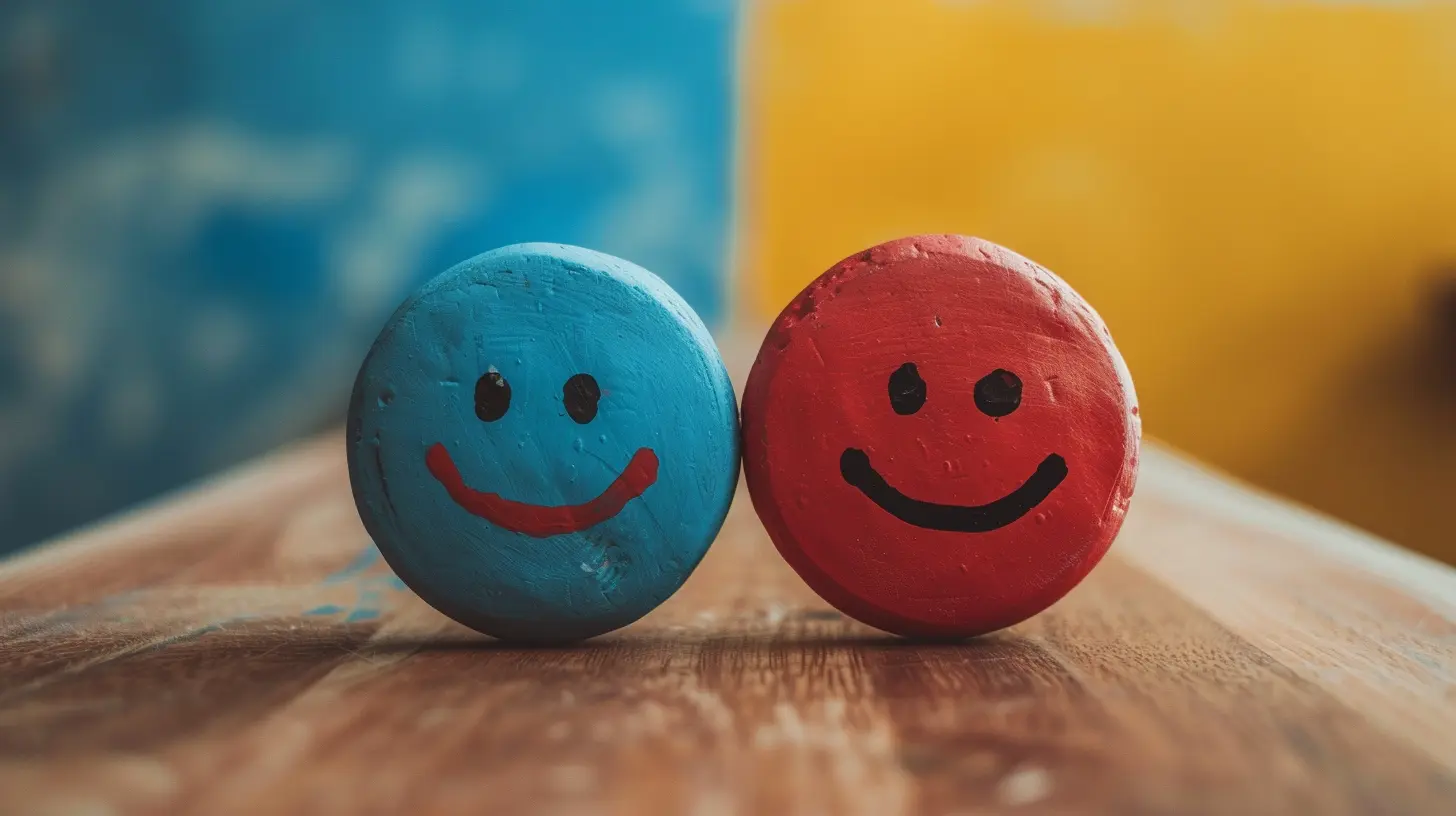
Why Sympathy Isn’t “Wrong” But Can Backfire
Let’s clear the air: sympathy isn’t evil. It comes from a good place. But in emotional situations, it can sometimes hurt more than help.Here’s why:
- It can feel condescending. Saying “Poor you” may come off as pity instead of comfort.
- It can feel dismissive. Comparing struggles (“At least you’re not in this other situation”) can trivialize what the person is feeling.
- It can create emotional distance. When someone’s hurting, they usually want someone beside them, not on a pedestal above them.
Think of it like this: if someone falls in a hole, sympathy says, “That looks bad down there.” Empathy says, “I’m climbing in with you.”
The Empathy Toolkit: How to Actually Be There for Someone
So, how do we practice empathy in real life? It’s not about being perfect—it’s about being present.Here’s a simple roadmap:
1. Listen Without Fixing
So many of us jump into “fix-it” mode because silence makes us uncomfortable. But people don’t always want solutions. They want to feel seen.Use active listening:
- Nod, make eye contact.
- Say things like “Mmm,” “I hear you,” or “That makes sense.”
- Don’t interrupt with your own story unless invited.
2. Validate Their Feelings
Validation is such a gift. It’s saying, “You’re allowed to feel this way.”You could say:
- “Yeah, that sounds really frustrating.”
- “I totally understand why you’d feel that.”
- “That must be incredibly difficult.”
3. Mirror Their Emotions
If someone’s crying, matching their tone (without mimicking) can help them feel supported. If they’re angry, calmly acknowledging that anger helps them feel heard.It’s like dancing—you’re moving with their rhythm, not against it.
4. Be Vulnerable Yourself
Empathy flourishes when there’s mutual openness. It’s okay to say, “I don’t know what to say, but I’m here with you.” Vulnerability is powerful.5. Don’t Center Yourself
It’s tempting to say, “That happened to me too!” But unless your story adds real value, it can shift the focus away from their experience. Keep the spotlight on them—this is their stage.When Empathy Feels Hard
Let’s be real—being deeply empathetic isn’t always easy. It can be emotionally draining, especially if you’re an empath by nature. So how do you protect your own emotional well-being?Here are a few quick tips:
- Set boundaries. You can be there for someone without absorbing their pain.
- Practice self-care. Refill your emotional cup so you don’t burn out.
- Know when to refer. If someone needs serious help (like therapy), support them in finding it—without trying to be their therapist.
Remember: empathy doesn’t mean fixing everything. It means showing up—even as a beautifully flawed human.
Empathy in Everyday Life
Okay, so you’re not a therapist. That’s fine. Empathy isn’t just for deep, heavy moments—it’s for daily life too.At Work
Got a coworker who’s clearly overwhelmed? Instead of saying, “You’ll be fine,” what if you said, “That looks really stressful—do you wanna talk for a minute?”A little empathy can transform workplace culture.
In Relationships
Empathy is the glue in romantic partnerships. It keeps you connected when things get rough. Instead of tossing out, “Calm down,” try, “I see you’re really upset—what do you need from me right now?”Small shift. Big impact.
With Kids
Empathizing with a child doesn’t spoil them—it teaches emotional intelligence. When your kid’s melting down, saying, “I know this is hard,” goes way further than “Stop crying.”The Empathy versus Sympathy Recap
Let’s wrap this up with a quick comparison:| | Sympathy | Empathy |
|---|---|---|
| Tone | Distant | Connected |
| Response | “Poor you.” | “I’m here with you.” |
| Goal | Acknowledge pain | Share emotional space |
| Effect | May feel isolating | Builds trust and connection |
Final Thoughts
Empathy and sympathy both start from the heart—but only one really lands there. If you want to offer emotional support that feels like a warm blanket and not a cold pat on the back, choose empathy. It doesn’t have to be perfect. You don’t need all the right words. Just be there—fully, honestly, and bravely.Next time someone comes to you in pain, take a breath. Don’t reach for the silver lining. Don’t race to a solution. Just take their hand—and sit with them in the storm.
Because sometimes, the best thing we can do for someone is to simply be.
all images in this post were generated using AI tools
Category:
Emotional SupportAuthor:

Jenna Richardson
Discussion
rate this article
1 comments
Dana Lozano
Understanding the distinction between empathy and sympathy is crucial in providing meaningful emotional support. Empathy fosters deeper connections, while sympathy can sometimes create distance. Choosing the right approach can significantly impact the person's healing process.
July 1, 2026 at 2:31 PM
Jenna Richardson
You're absolutely right. Understanding these distinctions enhances our ability to connect and support others effectively. It's all about being present in their experience. Thanks for your insights!