Breaking the Stigma: Talking Openly About Mental Health
30 May 2026
Mental health. Two words that, despite their importance, often carry a weight of misunderstanding and stigma. It’s 2023, yet many still find it uncomfortable to talk about mental health. Why? People fear judgment. They fear being labeled as "weak," "crazy," or "broken." But here's a hard truth: mental health is as important as physical health. Period.
In recent years, there’s been a growing movement to break the stigma surrounding mental health. We’re seeing more conversations about it, more awareness, and, thankfully, more people reaching out for help. But there's still a long way to go. So, let’s dive in and explore why it’s so crucial that we talk openly about mental health and how we can all play a part in breaking the stigma.

Why Is There Stigma Around Mental Health?
Before we tackle how to break the stigma, it’s important to understand where it comes from. Stigma around mental health has deep roots. Historically, mental illness was often misunderstood, feared, and mistreated. People were quick to label those with mental health challenges as "insane" or "dangerous." This fear and misunderstanding allowed myths to flourish, and unfortunately, these misconceptions linger today.Think about it: if someone told you they had diabetes or a broken leg, would you judge them? Probably not. But when someone says they’re struggling with anxiety or depression, our reactions can be different. We might feel uncomfortable, unsure of what to say, or even question their experience. This kind of response stems from the stigma that has been ingrained in society for centuries.
The Role of Media and Pop Culture
Media plays a huge role in shaping our perceptions. Unfortunately, mental health issues have often been portrayed inaccurately in movies, TV shows, and the news. Characters with mental illnesses are sometimes shown as violent, unpredictable, or beyond help. These portrayals reinforce harmful stereotypes that contribute to the stigma.But let’s be honest: the world isn’t black and white. Mental health is complex, and it doesn’t fit into neat little boxes. People with mental health struggles are not "crazy" or dangerous. They’re people—just like you and me—navigating the ups and downs of life.
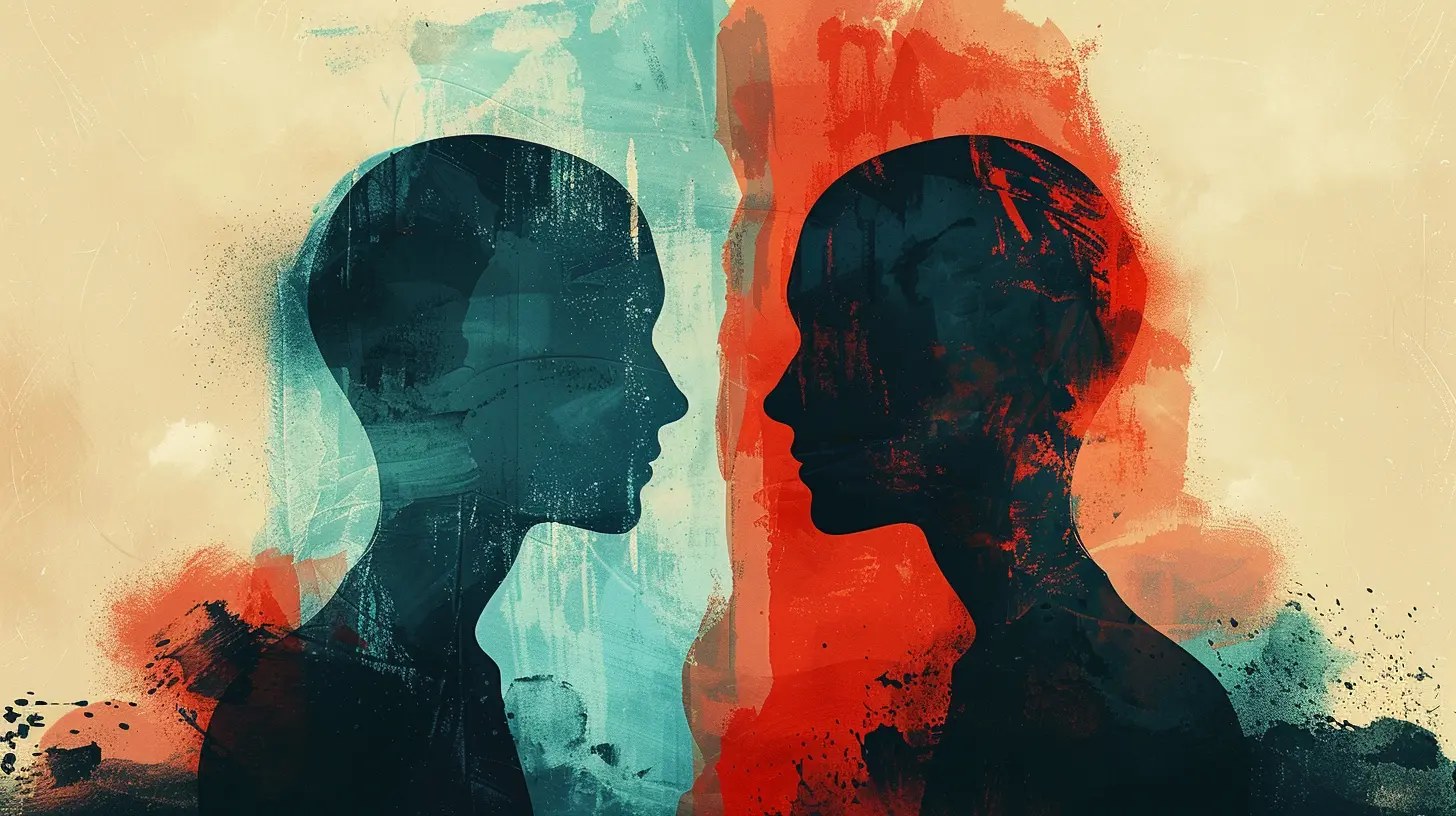
Why Open Conversations About Mental Health Matter
We talk about our physical health all the time. Got a cold? You take a sick day. Broke a bone? You go to the doctor. But why does mental health get swept under the rug? Why do people hesitate to say, "I’m feeling anxious today" or "I’ve been struggling with depression"?Talking openly about mental health is essential, and here’s why:
1. It Normalizes Mental Health Issues
When we talk about mental health, we challenge the idea that it’s something to be ashamed of. Everyone experiences stress, sadness, or worry at some point in their lives. By having open conversations, we remind each other that mental health struggles are part of the human experience.Think of it like this: if we treat mental health like a “taboo” topic, it stays hidden. But when we shine a light on it, we take away its power to isolate and divide us.
2. It Encourages People to Seek Help
Many people suffer in silence because they’re afraid of being judged. They might think, “I should be able to handle this on my own,” or “People will think I’m weak if I ask for help.” But the truth is, reaching out for help is a sign of strength, not weakness.When we talk openly about mental health, we create a space where it’s okay to seek support. Whether it’s talking to a friend, seeing a therapist, or taking medication, there’s no shame in doing what you need to do to feel better.
3. It Reduces Fear and Misunderstanding
Open conversations help us better understand mental health issues. When we talk about things like anxiety, depression, or PTSD, we can dispel myths and correct misconceptions. For example, many people think depression is just “feeling sad,” but it’s much more than that. By sharing personal stories and experiences, we can help others see the reality of living with mental health challenges.
How to Start the Conversation
Okay, so we know that talking about mental health is important. But how do we start? It can be tricky to bring up, especially if you’re not used to having these types of conversations. Here are a few tips to get you started:1. Be Open About Your Own Experiences
One of the most powerful ways to break the stigma is by sharing your own experiences. You don’t need to spill your deepest, darkest secrets, but being open about your mental health challenges can help others feel less alone. When you share your story, you give others permission to share theirs.For example, you might say something like, “I’ve been feeling really anxious lately,” or “I’ve struggled with depression in the past.” These simple statements can open the door to deeper conversations and show others that it’s okay to talk about their own mental health.
2. Ask Questions and Show Empathy
If someone opens up to you about their mental health, it’s important to listen without judgment. Ask questions, show empathy, and let them know that you’re there to support them. Sometimes, just having someone to talk to can make a world of difference.You could ask, “How have you been feeling lately?” or “Is there anything I can do to support you?” These questions show that you care and that you’re willing to listen. And remember, you don’t need to have all the answers. Sometimes, just being there is enough.
3. Use Everyday Opportunities
You don’t need to wait for a big moment to talk about mental health. Everyday situations can provide the perfect opportunity to bring it up. For example, if a coworker mentions feeling overwhelmed, you could say, “I totally get that. I’ve been feeling really stressed too. Have you ever tried talking to someone about it?”These casual conversations can help normalize mental health and make it easier for others to open up.

The Role of Social Media in Breaking the Stigma
Social media often gets a bad rap, but it can also be a powerful tool for breaking the stigma around mental health. Platforms like Instagram, Twitter, and TikTok have allowed people to share their mental health journeys and connect with others who are going through similar experiences.Hashtags like #MentalHealthAwareness, #EndTheStigma, and #ItsOkayNotToBeOkay have created online communities where people can find support and encouragement. These platforms have given a voice to those who might otherwise feel isolated, and they’ve helped to spread the message that it’s okay to talk about mental health.
But, of course, social media isn’t perfect. It’s important to be mindful of the content we consume and share. While there’s a lot of helpful information out there, there’s also misinformation. Be sure to follow reliable sources and accounts that promote accurate and supportive messages about mental health.
What Can We Do to Break the Stigma?
We all have a role to play in breaking the stigma around mental health. Whether you’re someone who has experienced mental health challenges or not, there are things you can do to help create a more supportive and understanding world.1. Educate Yourself and Others
One of the best ways to combat stigma is through education. Learn about different mental health conditions, their symptoms, and how they affect people. The more you know, the better equipped you’ll be to challenge misconceptions when you hear them.You can also share what you’ve learned with others. If someone makes a judgmental comment about mental health, take the opportunity to educate them. It might feel uncomfortable, but it’s an important step in changing the conversation.
2. Challenge Stereotypes
When you hear someone using hurtful language or making jokes about mental health, don’t let it slide. Challenge those stereotypes and explain why they’re harmful. It might seem small, but these everyday interactions can have a big impact on how people view mental health.3. Support Mental Health Advocacy
There are many organizations and initiatives dedicated to raising awareness about mental health and breaking the stigma. By supporting these efforts, you can help make a difference. Whether it’s donating to a mental health charity, participating in a mental health awareness event, or simply sharing information on social media, every little bit helps.
Final Thoughts: It’s Time to Break the Silence
The bottom line? We need to talk about mental health—openly, honestly, and without fear of judgment. The more we normalize these conversations, the easier it will be for people to seek the help they need. Breaking the stigma won’t happen overnight, but every conversation brings us one step closer to a world where mental health is treated with the same care and understanding as physical health.So, let’s keep talking. Let’s keep sharing. And let’s break the silence around mental health, once and for all.
all images in this post were generated using AI tools
Category:
Mental Health EducationAuthor:

Jenna Richardson
Discussion
rate this article
1 comments
Sablethorn Chapman
This article is a powerful step towards understanding mental health. Open conversations can change lives, and I appreciate your efforts in breaking the stigma around these important issues.
June 3, 2026 at 3:48 PM
Jenna Richardson
Thank you for your kind words. I'm glad the article resonates with you and hope it encourages more open conversations about mental health.